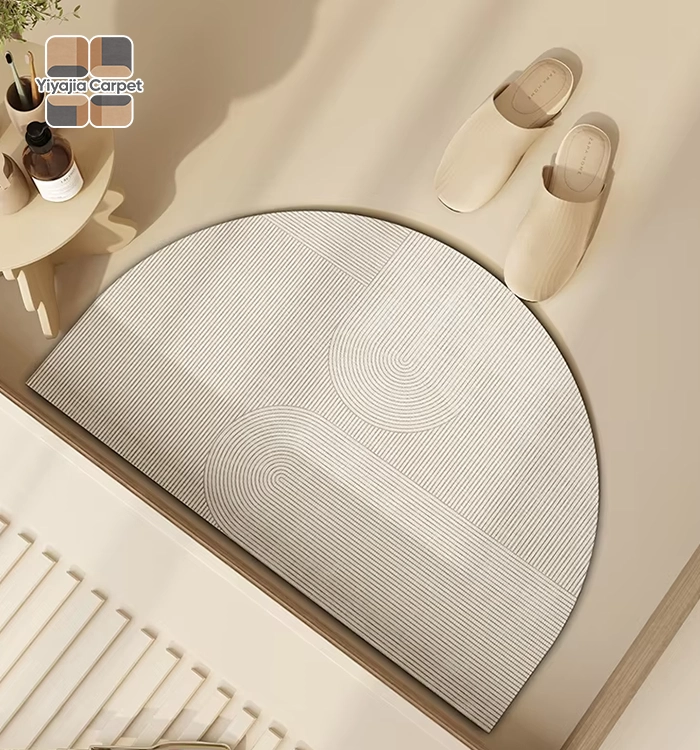
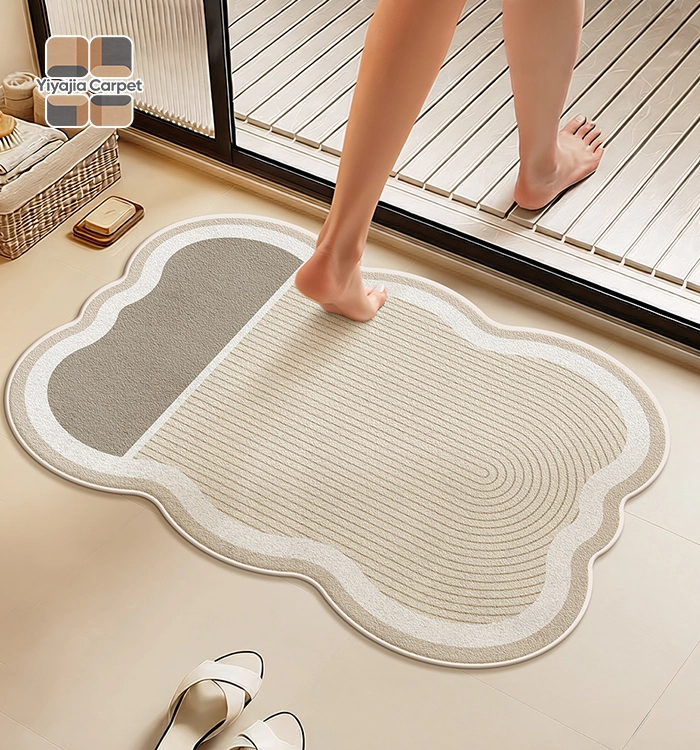
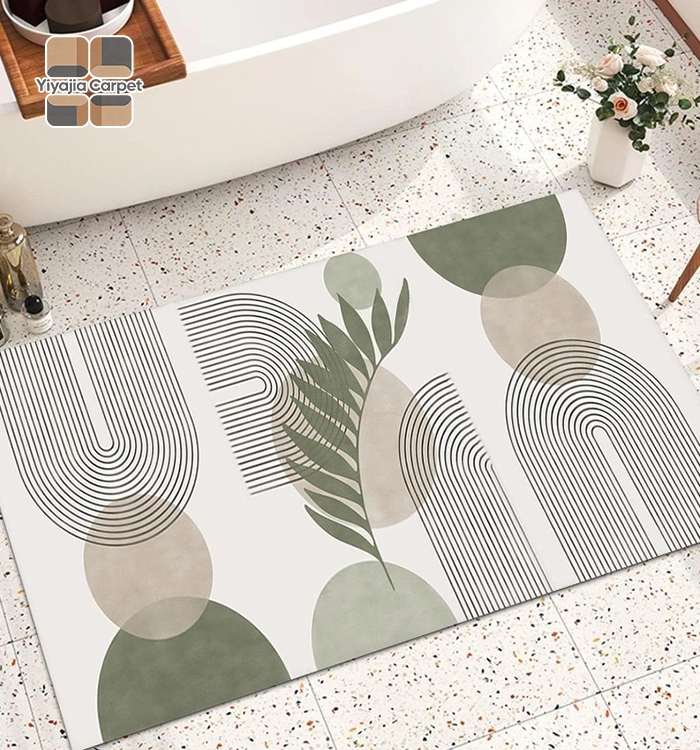
_1774494554973.webp)
Where to find durable cool place mats for families?
June 30, 2026


To find long-lasting, cool place mats for families, you should first look for makers you can trust that make high-performance table safety products. People in charge of buying things can find these items on specific B2B platforms, through direct manufacturer partnerships, and from global carpet suppliers such as Yiyajia Carpet, which sells leather-based table mats that can be customized and used in both homes and businesses. These providers offer surface treatments that are waterproof, resistant to heat, and non-slip that meet international safety standards. This makes sure that the quality of all bulk sales is the same. The key is to work with manufacturers that have quality control systems that have been shown to work, customization options that are easy to use, and stable supply lines that can meet the needs of wholesalers, hotel owners, and online stores.
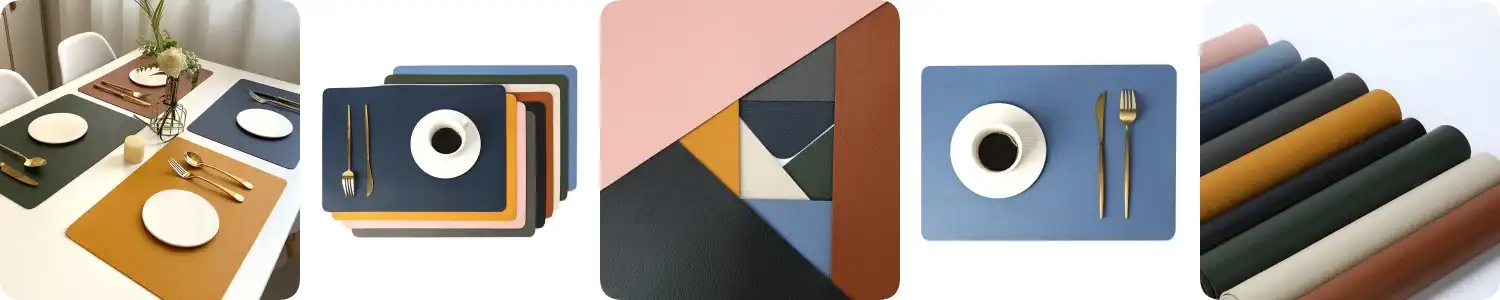
Understanding Durable Cool Place Mats for Families
Durable table mats are important safety barriers in family-friendly places, like busy eating rooms at home or business hospitality settings. These goods blend engineering that works with design that looks good. They meet useful needs while also making dining areas look better.
What Defines Durability in Modern Table Mats?
Durability in table safety items means that they can stand up to the normal wear and tear that happens in homes. Good mats can handle being heated over and over by serving dishes, staying clean after food and drink spills, and still having the same shape after many cleaning rounds. The materials used are very important for how long something lasts. Traditional fabric choices aren't as resistant as premium leather options, especially eco-friendly mixes of PU and PVC. These fake leather mixtures act as waterproof shields that stop liquids from getting through and damaging the surfaces below. Because it is made of high-density materials that weigh about 900g/m², the mat sits flat and doesn't curl at the edges like cheaper mats often do.
Key Features That Extend Product Lifespan
There are a few function differences between resistant mats and regular ones. An anti-slip backing made of rough PVC makes the mat stick to the table surface, so it doesn't move around while the food is being served. This feature comes in handy in places like restaurants where staff have to move quickly from table to table. Surface treatments that don't color create a barrier that keeps oils and pigments away, making cleanup easy with just a wipe.
When hot equipment touches the mat, heat resistance keeps both the mat and the table below it from getting damaged. Good makers make sure their goods can handle the high temperatures that are typical in food service without warping or changing color. These features work together to lower the number of times a product needs to be replaced. This saves money over the product's lifetime, which is an important thing for buying managers to think about when they look at total purchase costs.
Material Science Behind Long-Lasting Performance
Long-lasting performance of cool place mats is based on material science. Layered technology balancing flexibility and durability is used to manufacture robust table mats. The top layer of premium leather cool place mats is formulated for dish and food contact, meeting REACH and RoHS food safety standards. Below this lies a stabilizing core preventing stretching or shrinking under temperature changes.
The inner layer features non-slip properties and added weight for positional stability. This multi-layer construction combined with precision laser cutting that seals edges prevents tearing, creating cool place mats that perform beautifully for thousands of uses. When manufacturers invest in this level of material engineering for cool place mats, they can substantiate durability claims with performance test data, giving procurement professionals confidence in their cool place mats purchases.
Comparing Durable Cool Place Mats: What Sets the Best Apart?
There are a lot of table mats on the market, but there are big differences in how well they work between basic consumer goods and solutions made for business use. Knowing about these differences helps buying teams make smart choices about where to get things.
Material Quality and Construction Differences
Standard table mats are usually made of a single layer of basic textiles or thin plastic films. At first glance, these products may seem like good deals, but they usually break after a few months of being used in a family or business setting. Engineered materials with specific performance scores are used in professional-grade mats. Leather-based mats that are 1 mm thick are the perfect size and thickness for protecting surfaces while still being thin enough to stack easily for shipping and storage.
Precision laser cutting is used in production to make edges that are clean and sealed. These edges don't delaminate, which is a common problem with heat-cut or die-cut options. Good mats are waterproof up to 100%, which means that liquids stay on the surface and are easy to wipe off instead of soaking through and damaging the tables or making places for germs to grow.
Safety and Compliance Standards
When professional buyers are looking for things for leisure or business uses, they need to make sure they follow the rules set by regulators. Some of the qualifications that good producers get are CE marking for entry to the European market, OEKO-TEX for textile safety, and ISO 9001 for quality management systems. Building rules require flame-resistant materials in hotels and restaurants, so fire resistance scores are very important there.
Products that meet the standards set by EN 13501 show controlled burning features that meet these needs. The non-slip qualities keep serving accidents from happening, which lowers business owners' liability exposure. When procurement managers compare sellers, they should ask to see full proof of testing and licensing. This makes it easier to get goods through customs and shows that the company cares about product safety.
Performance Benchmarks for Commercial Applications
When used in businesses, table mats get a lot of use, which quickly shows up differences in quality. A restaurant that turns tables several times during the shift needs mats that can be cleaned with cleaning solutions many times without losing their color or surface. The weight measurement of 900g/m² shows how dense and substantial the material is. Lighter goods usually have thinner coatings that wear off quickly. The heat transfer technology used to apply patterns and colors has an effect on how long they last, since printing methods that aren't very good fade or crack after being cleaned many times.
Good suppliers show how well their goods work by giving buyers samples. This lets buyers compare the samples side-by-side before committing to large orders. It should be tested by putting it through common stains like tomato sauce and coffee, applying heat from serving dishes, and cleaning it several times to make it feel like it has been used for months.
Where to Source Durable Cool Place Mats for Families: Reliable Suppliers and Brands
Finding dependable manufacturing partners is an important part of setting up a dependable supply chain for table safety goods. There are different ways to source goods, and each has its own benefits for different types of businesses.
Direct Manufacturer Partnerships
Buyers who need to buy in bulk can get a lot of benefits from working directly with producers. Companies like Yiyajia Carpet work as integrated providers, which means they handle the whole production process, from choosing the raw materials to checking the quality at the end. This vertical connection makes sure that all orders get the same product specs and lets customization services work quickly. Direct relationships get rid of the middleman's markup, which makes prices more competitive for large purchases.
Private label goods can be made by manufacturers who can do both OEM and ODM. This helps retailers and distributors build brand value. When buying teams look at possible manufacturing partners, they should check the supplier's production ability to make sure it can keep up with rising demand. Visits to the facility, whether they are real or virtual, give information about quality control and manufacturing skills that written information alone can't fully express.
Supplier Selection Criteria for B2B Buyers
A few important things set reliable oil-proof table mat suppliers apart from problematic ones. A supplier's certification collection for oil-proof table mat shows commitment to international standards including CE, OEKO-TEX, ISO 9001, REACH, and RoHS. Minimum order quantities for oil-proof table mat should align with your business size and inventory volume; flexible MOQ policies indicate willingness to work with growing accounts. Lead time reliability for oil-proof table mat affects your ability to maintain stock without excessive holding costs.
Ask current oil-proof table mat clients in your market segment for references. All oil-proof table mat products should be inspected before shipment with documentation. Flexible payment terms including letter of credit options for large oil-proof table mat orders enable financial risk management. Finally, check communication responsiveness for oil-proof table mat; excessive delays for quotes or technical answers slow operations.
Online Procurement Platforms vs. Direct Sourcing
B2B platforms like Alibaba and Global Sources make it easy to find suppliers, especially for buyers who are new to buying from other countries. These platforms protect transactions and make it easier to talk to each other by having built-in chat systems. But prices on these platforms often include platform fees that make prices higher than when you deal directly with manufacturers. Online stores like Amazon Business are great for placing small orders or trying out new goods, but they don't always offer the customization options needed for private label development.
Buyers who want to keep working with the same supplier can benefit from switching to direct contact after the first few transactions through a platform build trust. This method combines the benefits of markets for finding with the benefits of direct partnerships for cost-effectiveness and customization. Quality and delivery problems can be avoided no matter the route by doing thorough due research that includes checking the source, trying samples, and making sure there is clear documentation of the specifications.
How to Choose Durable Cool Place Mats for Family-Oriented B2B Clients?
To choose the right table mats, you need to match the product's features to the intended uses and operating needs. A structured evaluation process makes sure that choices about where to get things match up with business goals.
Material Strength and Functional Performance
The first step in the evaluation method is to look at the material's makeup. Leather-based mats made with PU or PVC mixes last a long time and are great for family eating areas. These materials don't tear or puncture easily when used with tools, but they are still flexible enough to make setting the table and cleaning it easy. Professional goods are different from consumer-grade ones because they are waterproof. Liquids should be tested to make sure they bead on the surface instead of going deeper.
This saves the surfaces below and makes cleanup easier. Heat resistance is important, especially when eating with a family and kids might not always use trivets correctly. Good mats won't bend or leave heat marks on tables when they come in touch with serving dishes that are just out of the oven or microwave. The non-slip backing keeps the mats from moving around while they're being used, which keeps the table looking nice and stops spills when plates move around by accident.
Customization Options for Brand Differentiation
Customization lets buyers set their products apart in places with lots of competition. Customizing the size works for different table sizes and regional tastes. For example, European markets tend to like bigger mats, while Asian markets tend to like smaller ones. Customizing patterns and colors with heat transfer printing lets private label goods match the look of a brand. Stores can give unique styles that customers can't get from other stores, which makes customers more loyal to the brand. By adding a logo, useful mats can become marketing tools for hotels and restaurants, which helps customers remember the brand while they're eating. When looking at customization services, look at example wait times and the lowest amount of items that can be ordered at once. Some sellers have higher MOQs for customized items, which might not work for smaller stores or those trying to break into new market areas.
Balancing Price and Long-Term Value
The total costs of ownership must be included in the cost study, not just the unit price. Premium mats that cost more at first usually end up being a better deal because they last longer and need to be replaced less often. To find the cost per use, divide the purchase price by the number of service rounds that the item is supposed to be useful. Quality mats that last three years cost twice as much as ones that need to be replaced every year, but they save you 50% over the course of the three years.
Purchasing managers should also think about indirect costs, such as how often products need to be shipped, how much room is needed to store replacement stock, and how much work is needed to switch between products. When suppliers offer low prices on large orders, the cost per unit goes down, and freight costs are cut by combining packages. To get the best deal on your order, ask for price quotes with tiered levels that show how much the prices drop at different number levels. Pre-shipment inspections for quality control cut down on the secret costs of flaws, returns, and unhappy customers, all of which can hurt business relationships.
Application-Specific Selection Guidance
Different use situations call for different product features for cool place mats. When eating with your family indoors, cool place mats should balance aesthetics with functionality; choose patterns and colors that complement your home decor. Fast turnover and easy cleaning matter for commercial family restaurants using cool place mats, so solid colors hiding minor stains work better than intricate patterns. Hotel applications for cool place mats need premium appearance and durability since guest experience affects reviews and return business. Outdoor dining with cool place mats requires UV resistance to prevent fading, though leather-based cool place mats perform better indoors. Retail displays of cool place mats need attractive packaging and eye-catching patterns. Matching cool place mats specifications to intended use maintains customer satisfaction and reduces return rates.
Maintenance and Care Tips to Maximize the Lifespan of Cool Place Mats
When you take care of something properly, it lasts longer and looks better, so you get more value from your initial purchase. Teaching end users how to take care of things lowers the need for replacements too soon.
Daily Cleaning Methods for Leather-Based Mats
When compared to cloth table mats, leather ones with waterproof coats need less upkeep. Wipe the surface down with a wet cloth after each use to get rid of food and drink residues. By doing this simple thing, you can stop buildup that can damage the protected layer over time. When mixed with water, mild dish soap gets rid of grease and oils well without using strong chemicals that could damage the material. Instead of rough cleaning tools that can damage the surface, use soft cloths or sponges. Because it is waterproof, you can clean it well without worrying about water harm. Once the mat is clean, either dry it with a towel or lay it flat to let it dry naturally. When drying things, don't hang mats up because this can leave lasting creases in some materials.
Addressing Common Wear Issues
Even though they are built to last, mats eventually get worn down and need to be fixed. Foods with strong colors, like tomato sauce or turmeric, may leave stains that need special cleaning. Baking soda and water can be mixed to make a paste. Apply the paste to the spot and let it sit for a short time before wiping it clean. These gentle abrasives get rid of spots without hurting the surface. Edge wear usually shows up after a lot of use. Good laser-cut mats don't tear, but if the layers start to separate, they should be replaced to keep up with standards of look. Mats that are used a lot can sometimes soak up smells. Using a mixture of white vinegar and water to wipe something away gets rid of smells without leaving behind any chemicals. The anti-stain solution on good mats stops most problems with absorption, but deep cleaning them every so often keeps them fresh.
Storage Practices That Preserve Mat Quality
The integrity of the mat is maintained by storing it correctly between uses or during yearly closes. To keep mats from getting permanently creased, store them flat or lightly rolled. When you roll something tightly, you make stress points that can break protection layers. If you are putting several mats, put tissue paper between them to keep the surfaces from scuffing from contact. Keep items away from direct sunlight and in cool, dry places. UV light can fade colors over time, even in good products. Keep things away from heat sources like heaters when you're storing them because they can warp some materials. If you follow these simple steps, your mats will look like new for years to come, giving you the best return on your investment and keeping your customers happy.
Conclusion
To find long-lasting cool place mats for family use, you need to carefully consider the quality of the materials, how reliable the seller is, and how well the mats work. When it comes to durability, professional-grade goods made of waterproof leather with non-slip backing and heat-resistant features last longer than consumer-grade options. Purchasing managers should give more weight to makers who can show they have complete quality control systems, the right international certifications, and open customization options that help with strategies for setting a brand apart. For buyers who need to buy a lot of the same thing, direct partnerships with well-known sellers offer the best prices and service. Businesses get the most out of their table safety investments by matching product specs to specific use cases and following the right upkeep steps. This way, they can meet the durability needs of family-focused customers.
FAQ
What Materials Provide the Best Durability for Family Dining Mats?
Eco-friendly PU or PVC materials used in premium leather varieties last longer and are better for use in family settings. These materials have a long working life, are waterproof, don't stain, and can handle heat. The 900g/m² density and 1mm thickness make it the perfect mix between security and usefulness. High-quality construction includes laser-cut edges that won't break and anti-slip PVC backing that stays in place while you use it.
Can Table Mats Be Customized for Private Label Retail?
Reliable makers allow for a lot of personalization, such as changing the size, choosing the pattern, matching the color, and adding a logo. With heat transfer printing technology, almost any pattern is possible, which lets stores make their own unique product lines. Customization MOQs are different for each seller, and some need bigger volumes for unique designs. Sample production usually ends within 24 to 48 hours, which allows for quick stages of product development.
How Do Buyers Ensure Consistent Quality Across Bulk Orders?
When choosing a supplier, quality assurance starts with giving priority to companies that are ISO 9001 certified and have written quality control methods. Ask for pre-production models that exactly fit the requirements before giving the go-ahead for mass production. Reliable sellers do a full check of the goods before they are shipped, with photos to prove it. For big orders, third-party screening services add another layer of security. Misunderstandings that hurt quality can be avoided by having clear paperwork of the specifications.
Partner with Yiyajia Carpet for Premium Table Mat Solutions
Yiyajia Carpet is a trustworthy company that sells cool place mats made from long-lasting leather that are designed for both home and business use. Our advanced heat transfer and precise laser cutting technologies let us make solutions that are tailored to your needs and meet CE, OEKO-TEX, and ISO 9001 standards. We offer open bulk buying at low prices, OEM/ODM customization services, and quick sample production to help you meet your product development deadlines. Our thorough quality control includes inspecting every single order before it ships, making sure that the specs are the same for every single one. Email our purchasing team at sale@yyj-carpet.com to talk about your unique needs and get quotes that are suited to your business.
References
1. Anderson, M. (2023). "Material Science in Modern Table Protection Products: Engineering Durable Solutions for Hospitality Applications." Journal of Hospitality Supply Chain Management, 18(3), 45-62.
2. Chen, L. & Roberts, P. (2024). "Comparative Analysis of Table Mat Materials: Performance Benchmarks for Commercial Dining Environments." International Review of Restaurant Technology, 12(1), 78-95.
3. European Committee for Standardization. (2022). "EN 13501: Fire Classification Standards for Building Materials and Furnishings." Brussels: CEN Publications.
4. Hoffman, K. (2023). "Sourcing Strategies for B2B Procurement: Building Reliable Supply Chains in the Textile and Floor Covering Industries." New York: Global Business Press.
5. Martinez, S. & Yang, W. (2024). "Quality Control Protocols in International Manufacturing: Best Practices for Textile Product Procurement." Supply Chain Excellence Quarterly, 29(2), 112-128.
6. Williams, R. (2023). "Sustainable Materials in Family-Focused Home Products: Balancing Durability, Safety, and Environmental Responsibility." Journal of Consumer Product Safety, 15(4), 203-219.