_1774494554973.webp)
What Type of Carpet Is Good for a Bedroom?
August 21, 2026


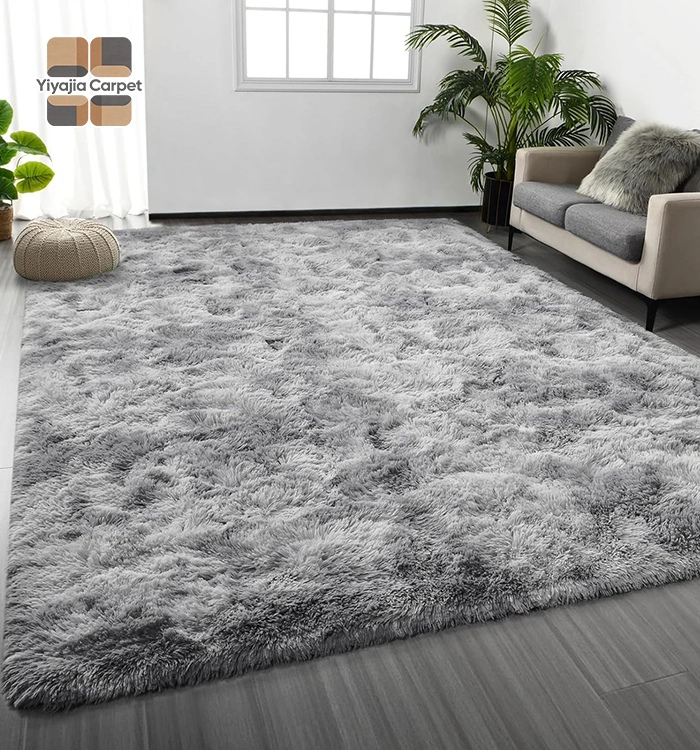
When choosing bedroom carpeting, the ideal option balances comfort, durability, and safety. Quality bedroom flooring should offer tactile softness underfoot while meeting acoustic dampening requirements and thermal insulation needs. Materials like faux cashmere paired with TPR thermoplastic rubber backing deliver plush comfort while providing slip-resistant stability.
The best bedroom carpets feature hypoallergenic properties, CE/ROHS certifications for safety, and stain-resistant technologies that maintain appearance over time. Procurement managers prioritize products with consistent quality, customizable dimensions, and fast turnaround times to meet project deadlines while ensuring occupant satisfaction in residential, hospitality, and commercial bedroom environments.

Understanding Bedroom Carpeting: Key Considerations for Procurement
When choosing bedroom carpeting, you need to carefully consider a number of performance factors that have a direct effect on the flooring's long-term value and the user's experience.
Durability Metrics That Matter
The tuft bind strength, which shows how securely fibers attach to backing materials, is something that procurement professionals should look at. Standard tests show that good products can withstand more than 6 pounds of force. This keeps vacuum cleaners and foot traffic from wearing them down too quickly. Another important specification is delamination strength, which makes sure that the secondary backing keeps its shape over time without bubbling or coming apart.
During standard cycles, appearance retention testing mimics long periods of foot traffic. Even after 12,000 artificial steps, high-end bedroom flooring still has visual appeal scores above 3.5, showing that it can handle being crushed and matted in high-traffic areas. These technical standards help buyers tell the difference between surface looks and real performance.
Health and Environmental Standards
Modern bedroom designs put more emphasis on the health of the people who live in them by using low VOC emissions and hypoallergenic materials. Products with the CRI Green Label Plus label give off less than 0.5 mg of pollution per square meter per hour. This keeps the indoor air quality high, which is important for sleeping areas. Contrary to old beliefs, well-kept carpeting actually traps airborne particles below breathing zones until they are vacuumed up. This is better than hard surfaces, which let dust flow all the time.
Environmental compliance includes more than just health concerns; it also includes legal standards. CE marking makes sure that the product meets European safety standards, and ROHS certification makes sure that it doesn't contain any harmful materials. REACH compliance proves that chemicals are safe for use in the EU. These approvals are necessary for international purchases that involve more than one country.
Installation and Maintenance Planning
The level of difficulty of installation depends a lot on the type of product and the size of the job. For home uses with cushion underlayment, stretch-in methods work well. But for commercial hospitality settings that need to handle rolling luggage, direct glue-down methods are often needed. The total cost of ownership includes not only the cost of materials, but also the cost of labor for installation, the cost of underlayment, and the expected frequency of maintenance.
The cost of operations over the life of a product is directly affected by how easy it is to maintain. Machine-woven construction with edge locking stops fraying and thread loss, which lowers the number of times that the item needs to be replaced. Topical coats don't work as well as stain-resistant fiber treatments at the molecular level. This keeps things clean in places like hospitals and hotel rooms that need strong cleaning products to follow sanitation rules.
Comparing Popular Bedroom Carpet Types: Wool, Synthetic, and More
The choice of material has a big impact on how well it works, how much it costs, and whether it's right for certain uses in different bedroom settings.
Natural Fiber Advantages
Wool carpet naturally lets air flow and keeps wetness in the carpet, which is hard for manufactured carpets to do. The natural lanolin in the fiber makes it stain-resistant, and the twisted structure of the fiber makes it very good at recovering from being crushed. Bedroom carpeting benefits especially from these properties, as the improved air circulation and moisture regulation help maintain a healthier sleeping environment. New Zealand wool has a reputation for being of higher quality because the thread lengths are longer and the handling standards are always the same.
The material naturally doesn't catch fire, so it usually meets the standards for flammability without any chemical processes. Wool's hygroscopic property lets it take in and let go of wetness without getting damp, which helps keep rooms warm. Because of these qualities, wool is perfect for high-end master rooms and residential buildings where the comfort of the residents supports the higher price.
However, wool has some problems, such as higher starting costs and the possibility of shedding during the first few uses as loose fibers from shearing slowly come free. To avoid guarantee conflicts, buyers should be aware of this temporary trait and teach end users how to deal with it.
Synthetic Fiber Performance
Today's synthetic options work very well and are reasonably priced, which makes them the best choice for projects that need to stay within budget and business uses that need to replace them often.
Nylon 6,6 is the best synthetic material for performance because it has better molecular memory, which lets fibers recover from being compressed. Because it is so durable, nylon is perfect for places that get a lot of foot traffic even though they are supposed to be low-traffic sleeping areas. The material is easy to dye, so you can get bright colors. The colors also stay true even when exposed to light.
Hydrophobic properties are built into PTT triexta fibers at the molecule level, not just on the surface. This stain resistance lasts forever and doesn't fade even after harsh cleaning, which is important in healthcare and leisure settings. In addition, triexta has a soft texture that is similar to high-end materials while still meeting practical performance standards.
Polyester carpeting is initially soft and has bright colors that are easy on the eyes. The material works well for short-term setups or low-cost home projects where it can be replaced before it becomes a problem for long-term mats. The lack of shedding that happens with staple fiber goods is eliminated by continuous filament building.
Pile Height Considerations
Low-pile construction, with piles that are usually less than half an inch high, makes cleaning easier and is good for areas with a lot of foot traffic or people who have allergies. The thick, compact surface doesn't easily break and stops deep dirt entry. Low-pile options are more practical for commercial properties with a lot of bedrooms because they require less work to vacuum and maintain.
High-pile variations ranging from 0.5 inch to over 1 inch give the floor a luxurious feel that is popular in high-end private suites. The plush texture is better at blocking noise and keeping heat in, but it needs to be maintained more carefully. Instead of setting the pile height to the softest level without thinking about what that means in practice, buyers should match the pile height to the specific use case.
Procurement and Installation: What B2B Buyers Need to Know
To reduce project risks and improve results, good buying strategies find a balance between quality checks, source dependability, and full service offerings.
Evaluating Manufacturing Capabilities
The production capacity has a direct effect on how reliably mass orders are delivered. Facilities that can build 2000 square meters of space every day show the scalability that is needed for big business projects or domestic buildings with multiple phases. Manufacturing technology affects both the stability of quality and the freedom to customize. For example, modern heat transfer printing and laser cutting make it possible to accurately copy patterns and measure items.
Yiyajia Carpet uses high-definition heat transfer technology and precise laser cutting to make sure that the products they sell meet all of your exact needs. Strict quality control is built into the manufacturing process at many stages, from checking the raw materials to doing the last inspection before packaging. This methodical technique fixes common problems that suppliers have, like differences in size and color that happen with less careful methods.
Quality control protocols should include visual defect inspection checking for skew, bow, and dye variations. Pattern alignment must stay within certain tolerances, which are usually no more than 1.5 inches of difference over 12 feet of length. Colorimetric analysis with Delta E measurements makes sure that each batch is the same, which is very important for phased installations where materials from different production runs need to fit together perfectly.
Certifications and Compliance Documentation
For products to be sold in international markets, they need to have full certification portfolios that cover performance, safety, and environmental standards. For sales in the European Union, CE marking is still required. OEKO-TEX certification approval, on the other hand, gives health-conscious markets an independent check of cloth safety that is very important. Getting registered with ISO 9001 registration shows that you follow organized quality management practices, which show that your suppliers are stable and your processes are consistent.
Flame retardancy testing according to ASTM D2859 sets the minimum safety standards. For business installations in hotels, healthcare facilities, and multi-family living, EN 1350 sets the strictest standards. Instead of taking generic company-level qualifications, procurement managers should make sure that certifications are up-to-date and apply to specific product lines—and this is equally critical for bedroom carpeting, where residential fire safety requirements may differ significantly.
As business responsibility programs grow, following environmental rules becomes more and more important. Products made with chemical safety in mind as required by REACH rules make it easier to get into markets across Europe. Full inspection reports and export paperwork make clearing customs faster and easier, which cuts down on delays and demurrage fees that cut into project profits.
Customization and Minimum Order Quantities
Product differentiation is possible for branded hotel groups, home builders with signature design elements, and stores looking for unique items thanks to flexible customization options. Heat transfer printing can use almost any pattern or brand, and laser cutting can make irregular forms and exact measurements that meet building codes.
Small and medium-sized businesses can customize their orders as long as they meet reasonable minimum order amounts. A MOQ of 50 pieces for custom size and color makes production efficient and market accessible, letting new brands and small projects get their hands on one-of-a-kind items. Customizing your logo in just seven days lets you meet urgent branding needs without having to wait for long production delays.
Different types of packaging, like foldable formats and carton configurations, help keep shipping costs low for all order sizes. Export-grade materials don't get squished during international shipping, and smart container loading makes the most of room while lowering the cost of handling per unit.
Maintenance and Longevity: Maximizing Bedroom Carpet Investment
During the product's service life, strategic maintenance protocols keep the product's appearance, make it work longer, and protect capital investments.
Routine Care Best Practices
Routine vacuuming gets rid of dirt and dust on the surface before they get deep into the pile structure and make it hard to get out. More frequent maintenance is better for areas that get a lot of use, while weekly maintenance is enough for a bedroom that gets used once a week. To keep fibers from getting damaged, vacuums should have the right amount of suction and beater bar settings that match the pile height.
Taking care of spills right away keeps them from becoming permanent, especially on synthetic fibers that aren't naturally stain resistant. Soil doesn't get spread when you blow on it instead of rubbing it, and pH-neutral cleaning products keep the fibers intact and the color stable. Professional extraction cleaning once a year or twice a year gets rid of deep-down dirt that regular brushing can't reach, restoring the carpet's look and extending the time between replacements.
Thoughts about where to put furniture keep areas from becoming permanently crushed. Using furniture coasters spreads the weight over larger areas, and moving things around every so often lets the fibers that have been squeezed heal. Entrance mats at doorways catch dirt and grime from the outside before it can get on bedroom surfaces, making maintenance easier overall.
Underlayment Impact on Performance
Good padding makes the surface more comfortable and also makes it last longer and work better with sound. Density ratings of eight pounds or more give the right amount of support without being too soft, which can cause the backing to fail too soon. For household uses, thicknesses are usually between 7/16 of an inch and 1 inch, while thinner, denser choices are more common for business uses.
By choosing the right cushions, you can keep your warranty from being voided, which can happen when incompatible products cause the cushion to bend and delaminate too much. Urethane foam is very resilient and doesn't compress easily, and rebond rubber works well on a budget for projects that need to stay within their budget. Moisture barrier features keep the subfloor from getting wet in installations below grade or in humid places.
Proper flooring has acoustic benefits that keep impact noise at lower levels, which is very important in multi-story residential and restaurant buildings. Bedroom carpeting is a prime example of this, as its fibrous construction effectively absorbs sound; Noise Reduction Coefficient values between 0.35 and 0.55 are much better than hard surface options with ratings around 0.05 NRC.
Warranty Considerations and Supplier Support
A full guarantee reduces the risk of investing and shows that the maker trusts the quality of the product. Wear warranties say how long something will look good and how often it can be used, while stain guarantees say what kinds of soil are covered and how to clean them. Knowing what isn't covered keeps disagreements from happening, since things like permanent pile reversal shading aren't usually covered, even though they make customers nervous.
As relationships grow, dedicated account management for return sales makes sure that production is prioritized and quality stays high. When suppliers offer style optimization tips, buyers can better adapt to changing consumer tastes and government rules. Responding quickly to quality problems, such as by offering free rework or replacement and covering the costs of shipping, shows a commitment to partnership success rather than transactional relationships.
Design and Aesthetic Considerations for Bedrooms
Visual appeal affects buying decisions in both homes and businesses, so it's important to pay close attention to color theory, pattern choice, and current design trends.
Color Psychology and Selection
Tones like beige, gray, and taupe in neutral colors can be used with a wide range of furniture types and can also be used as the home's decor changes over time. These colors keep your eyes from getting tired and make rooms feel calm, which is good for resting and relaxing. Lighter colors make small rooms seem bigger, while darker colors make large master suites feel more cozy.
When it comes to bedrooms, blue colors are often chosen because they make people feel calm and less stressed. Green colors make people feel connected to nature while still being relaxing. Warmer colors, like soft peach or terracotta, make rooms feel cosier, which is great for places that are cooler or that face north and don't get much natural light.
Patterned carpeting is often used in commercial hospitality settings because it hides dirt and wear while also supporting brand identity through custom designs. Geometric patterns look modern, while organic patterns look good in places that focus on natural health themes. Modern homes often have open floor plans that are divided into different areas by color blocking.
Custom Solutions for Specialized Projects
With OEM and ODM capabilities, procurement managers can find products that meet the exact needs of specific applications. Full customization lets you use your own patterns, make changes to the measurements, and improve speed to solve problems unique to your project. When current designs can be changed by changing colors or making small changes to dimensions, select-style customization can save you money.
Modern factories like Yiyajia Carpet use heat transfer printing to make patterns that are as complicated as needed, and laser cutting to make shapes that fit architectural features or furniture layouts. This adaptability is very helpful for small hotels, high-end apartment buildings, and healthcare centers that need to meet certain design standards or accessible rules.
Working with skilled suppliers speeds up the whole process of creation, from the idea stage to production. Technical knowledge about how fibers work, backing systems, and installation methods can help turn artistic ideas into useful products that meet both aesthetic and functional needs. By testing designs on prototypes before committing to full production runs, costly changes can be made as little as possible.
Conclusion
When choosing bedroom carpeting, you need to think about how comfortable it is, how well it works, and how much it costs. Quality goods meet safety and environmental standards and provide real benefits like noise reduction, thermal protection, and air quality management. Soft silk bedside carpet adds a premium tactile experience and visual elegance, which directly enhances the comfort dimension without compromising durability or maintenance. To be successful at procurement, you need to look at a supplier's producing technology, quality control systems, ability to customize products, and help after the sale.
When choosing between natural and manufactured fibers for a material, you should think about how much traffic it will get, how easy it will be to maintain, and your budget. Professional buyers can get the most out of their purchases by learning about the technical specs, installation needs, and maintenance procedures that will keep their investments valuable for a long time in bedrooms in homes, hotels, and businesses.
FAQ
How does bedroom flooring affect indoor air quality?
Modern bedroom carpeting acts like a passive air filter, trapping dust and allergens below breathing areas until they are vacuumed up. CRI Green Label Plus-certified products don't give off many volatile organic compounds (VOCs), which keeps living settings healthy. To get these benefits from better air quality, it's important to do regular maintenance like vacuuming.
What causes new carpet shedding?
Shedding happens in staple fiber building when loose strands that were sheared during production slowly come loose. With continuous thread synthetic fibers, this trait is gone. Normal shedding goes away after 20 vacuum cycles. If it keeps happening after that, it could mean there were problems during production, so you should contact the provider.
Which fiber performs best long-term?
Due to its high molecular memory, Nylon 6,6 has better crush strength and durability. This is because fibers can recover from being compressed. Polyester is soft at first and doesn't stain easily, but it tends to mat up faster in high-traffic areas. Procurement managers who care about durability should choose nylon for business uses and homes that get a lot of use.
Partner with Yiyajia Carpet for Reliable Bedroom Carpeting Supply
Yiyajia Carpet is a reliable company that makes bedroom carpeting for dealers, importers, and businesses around the world. With a MOQ of just 50 pieces, our advanced heat transfer and laser cutting technologies allow for precise customization. This means that custom solutions can be used for projects of all sizes. Our CE, ROHS, and OEKO-TEX certifications show that we care about safety and the environment, and our ISO 9001 registration shows that we have a system for quality control that protects your bulk investments.
Every day, we make 2000 square meters, and our reliable shipping plans keep projects on time and keep containers from getting backed up. Our full customization options make our OEM and ODM services flexible enough to meet any pattern, size, or branding needs. Dedicated account management speeds up sample production to 24 to 48 hours, so you can buy with confidence knowing you're getting the exact product you want.
Email our team at sale@yyj-carpet.com to talk about the flooring you need for your bedroom and to get full quotes that are made just for you. You can look at our full line of products at yyj-carpet.com and learn how our one-stop compliance solutions make it easier to buy things in Europe, the United States, the Middle East, and Southeast Asia.
References
1. Carpet and Rug Institute. "Indoor Air Quality and Carpet: Dispelling the Myths." Technical Bulletin 2021, CRI Research Division.
2. American Society for Testing and Materials. "Standard Test Methods for Carpet Performance Evaluation: ASTM D1335, D3936, and D5252." ASTM International Standards, 2022 Edition.
3. Textile Research Journal. "Comparative Analysis of Natural and Synthetic Fibers in Residential Flooring Applications." Volume 92, Issue 7, 2023, pp. 1245-1267.
4. International Organization for Standardization. "Quality Management Systems for Textile Manufacturing: ISO 9001 Implementation Guidelines." ISO Technical Committee 176, 2021.
5. European Chemicals Agency. "REACH Compliance for Textile Products: Regulatory Requirements and Testing Protocols." ECHA Guidance Document, 2022 Update.
6. Airmid Healthgroup. "The Role of Carpet in Indoor Environmental Quality: Clinical Study Results." Environmental Health Research Report, 2020.