_1774494554973.webp)
What is the best office carpet rug for commercial noise reduction?
September 3, 2026


Choosing the right flooring for your commercial workspace impacts more than aesthetics. Among procurement managers and office design professionals, one question surfaces repeatedly: what truly defines the best Office Carpet Rug for noise control? The answer lies in selecting carpet solutions engineered with dense fiber construction, appropriate thickness, and specialized backing materials. An effective commercial carpet rug absorbs sound waves before they bounce between hard surfaces, reducing echo and ambient noise by up to 30%.
Dense polyester crystal velvet surfaces combined with reinforced backing systems—like those with TPR dot plastic foundations—deliver superior acoustic dampening while withstanding daily office chair movement and foot traffic. When evaluating options, prioritize products offering 5mm thickness, gram weights between 750-1100g/㎡, and certifications meeting EN 13501 fire safety standards to ensure both performance and compliance.
Understanding Noise Reduction in Office Environments
Modern offices have a lot of problems with sound. Background noise is always there because of open floor plans, conference calls, computer clicks, and moving office chairs. The Acoustical Society of America has released studies that show that too much noise at work makes people much less productive (15–20%) and much more stressed. Tile, hardwood, and polished concrete are all examples of hard floors that reflect sound waves and make these disturbances louder throughout the office.
Because of how their fibers are made, Office Carpet Rugs can solve this problem. The threads in textiles don't return sound waves when they hit them; instead, they absorb and spread out the sound energy. This natural dampening effect shortens the echo time, which is the amount of time that a sound stays in a place after the source stops. When echo times are shorter, talks are clearer, there are fewer distractions, and staff members can focus better.
How Sound Absorption Works in Commercial Carpets
Three physical qualities affect how well a material absorbs sound: its density, its surface roughness, and the makeup of its backing. Dense patterns of fibers catch air pockets that, thru friction, turn sound energy into very little heat. Professional-grade choices use crystal velvet polyester, which has thousands of tiny sound-absorbing holes built into its pile structure. The 5mm thickness gives sound waves enough room to travel and break up before they reach the subfloor.
Comparing Acoustic Performance: Carpet vs. Hard Flooring
On a range from 0 to 1, the Noise Reduction Coefficient (NRC) tells you how much sound a substance can block. Most hard surfaces have NRC ratings below 0.05, which means they block out 95% of sound. Good business rugs have NRC scores between 0.20 and 0.40, which means they block 20 to 40 percent of background noise. This big difference changes the sound comfort in busy places of work, like call centers, administrative offices, and areas where people work together and voice clarity is important.
Key Features of the Best Office Carpet Rugs for Noise Reduction
There are more efficiency factors than just looks to consider when choosing commercial-grade Office Carpet Rugs. The people who work in procurement have to find a mix between how well something blocks noise and how long it lasts, how much upkeep it needs, and how safe it is. By understanding these scientific details, you can find answers that will last for a long time.
Material Composition and Fiber Density
Synthetic fibers that are made to be strong are used in high-performance commercial carpets. Crystal silk polyester is very good at blocking out noise because its fibers are very fine and tightly packed together. Synthetic wool doesn't absorb water like natural wool does, so it doesn't grow mold and keeps its sound quality even when the humidity changes. The durability and sound-dampening properties are directly linked to the fiber density. A higher density means more strands per square inch, which means more surface area for sound waves to deal with.
Backing Systems for Stability and Acoustic Enhancement
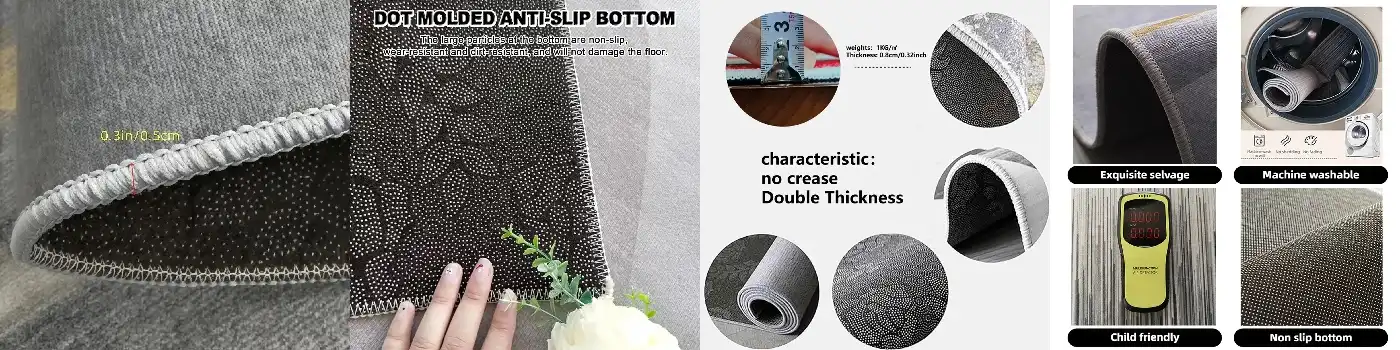
The backing layer does two things: it keeps the layers stable and doesn't let sound thru. The dot-shaped plastic backing with TPR support sticks to floors firmly, so the carpet doesn't move when office chairs are used. This kind of backing gives the carpet more weight, which helps keep noise from traveling from floor to floor, which is very important in buildings with more than one floor. The 0.6cm hem locked edge finishing keeps the fabric from fraying and keeps the structure tight, which improves sound quality.
Thickness and Weight Specifications
How comfortable and quiet your home is affected by the thickness of the carpet. The 5mm shape blocks out a lot of noise while still being thin enough to fit thru doors, which is often a problem in retrofit jobs. A gram weight of 750-1100g/㎡ means that the material is dense enough for business use. Heavier options in this range work well in areas with a lot of foot traffic, while lighter options are better for executive areas with less foot traffic but still need sound privacy.
Safety Certifications and Compliance Standards
Fire safety rules must be followed in commercial sites. The EN 13501 approval makes sure that carpet materials meet European flame retardancy standards, which is important for insurance purposes and for people's safety. OEKO-TEX approval makes sure that there are no harmful chemicals, which is important for indoor air quality issues that are becoming more and more important in modern office design. ISO 9001 manufacturing standards make sure that the quality of each batch of products is the same, which is very important when ordering a lot of them for installations on multiple floors.
Comparing Top Office Carpet Rug Types for Noise Reduction
Different ways of making Office Carpet Rugs have different effects on sound. Knowing these differences helps procurement teams find goods that fit the needs of a specific area and the budget.
Cut Pile vs. Loop Pile Construction
Cut pile carpets, like crystal velvet types, have fibers that are cut off at the top, making the surface soft and fluffy. The exposed fiber ends effectively catch and spread sound waves, making this structure great at absorbing sound. The high-end look and feel makes workers happier, especially in the lobby and senior offices. Loop pile alternatives last longer under rolling office chairs, but they don't absorb sound as well because their surface structure is tighter and more uniform.
Modular Carpet Tiles vs. Broadloom Options
Carpet tiles are easy to install and keep up because damaged sections can be replaced separately without affecting the whole floor. But the seams between the tiles might make small sound holes. Broadloom rugs cover big areas evenly because they don't have any seams and cover the whole area. The choice relies on how you handle your facilities: tiles work well in changing office spaces where furniture is arranged often, while broadloom is better for permanent installations that want the best soundproofing.
Synthetic Fibers vs. Natural Wool Alternatives
While natural wool rugs are good at blocking out noise and looking nice, they are more expensive to maintain and can be sensitive to moisture. Polyester crystal velvet synthetic options absorb sound as well as wool, but they are more stain-resistant and dry faster, which is important in business settings where spills happen often. Also, custom dye treatments work better on synthetic materials, so they can be precisely colored to match corporate branding standards.
Selecting the Right Office Carpet Rug Based on Your Procurement Needs
To choose the right Office Carpet Rug strategically, you need to look at your specific operational situation. Different work areas have different performance needs that should be taken into account when specifying a product.
Assessing Traffic Patterns and Durability Requirements
Carpets in hallways and greeting areas that get a lot of foot traffic need to be specially made to last a long time. Higher-gram-weight options (nearly 1100g/㎡) and reinforced backing systems can handle constant foot traffic without matting or losing their soundproofing properties. Private offices and conference rooms don't get a lot of use, so you can choose goods that focus on comfort, like those that absorb sound and look good, over those that last the longest.
Budget Considerations and Total Cost of Ownership
The initial buying price is only one part of carpet economy. Maintenance costs, how often something needs to be replaced, and how long it works for determine its true value. Crystal silk fabric surfaces don't naturally stain, so they don't need to be cleaned by a professional as often. Quality commercial rugs can last a lot longer than products that need special care because they are made to be washed in a machine. When looking at different suppliers, you should think about the warranty terms. Coverage for 5 to 10 years shows that the manufacturer is sure the product will last.
Customization Capabilities for Brand Alignment
Flooring that reinforces company character is good for business settings. Custom color matching makes sure that carpet tones go with the rest of the room's decor and the company's color plan. Customizing a logo lets you put brand images in reception areas and conference rooms in a smart way. When working with manufacturers, make sure you know their minimum order numbers (MOQs) for customization. MOQs that are flexible (50 pieces or less) make customization affordable even for smaller projects or setups that are done in stages.
Supplier Reliability and Production Capacity
Having partnerships with well-known makers lowers the risks in the supply chain. When projects need a lot of things quickly, production capacity is important. Manufacturers with facilities that produce 2,000m² of goods every day and turn around samples in 24 to 48 hours show that their operations are mature enough to support reliable project execution. Certifications like CE, OEKO-TEX, ISO 9001, and REACH approval show that the product meets international safety and quality standards, which makes your research easier.
Installation and Maintenance Tips for Optimal Noise Reduction
As long as the Office Carpet Rug is installed correctly and is cared for regularly, it will keep its soundproofing properties. When installed wrong or not maintained properly, even high-end products don't work as well as they should.
Professional Installation Best Practices
Preparing the subfloor has a big effect on the end soundproofing results. Level, smooth surfaces make sure that the carpet touches the floor all the way thru, leaving no air gaps that would make sound absorption worse. Professional workers should use adhesives that are compatible with the backing material. For example, dot plastic systems need pressure-sensitive adhesives that keep the bond strong without giving off volatile chemical compounds. If you install broadloom correctly, you can avoid acoustic weak spots and keep the look of continuity.
Routine Maintenance Protocols
Regular vacuuming gets rid of dust and dirt before it gets into the fibers, which keeps the sound and look of the carpet. Commercial vacuums with beater bars can get rid of deep-down dirt from crystal velvet surfaces without hurting the fibers. Deep cleaning should be done every three months using hot water extraction methods. This gets rid of deep-seated dirt and revitalizes the pile structure. Chemicals that are made from synthetic materials dry quickly, so areas that have been cleaned can be used again in hours instead of days.
Addressing Wear and Damage Proactively
Keep an eye on areas with a lot of traffic for early signs of fiber or mat damage. Putting chair mats under desks in a smart way spreads out the weight of office chairs, which makes carpet last longer in workstation areas. If something gets damaged, good products that don't color easily and can be washed in a machine can often be fixed instead of being replaced completely. Keeping attic stock, which is extra material from the original dye lot, lets you make fixes that look like they belong with the rest of the room.
Conclusion
Finding the best Office Carpet Rug for reducing noise in a business setting means finding a balance between soundproofing, durability, safety requirements, and budget. Dense crystal velvet polyester construction with the right backing systems blocks out sound in a way that can be measured, which boosts productivity and employee health at work. Technical details are important.
Products must be 5mm thick, weigh between 750-1100g/㎡, and have certifications that meet international standards to make sure they work reliably in harsh commercial settings. In addition to the choice to buy, proper installation and upkeep will keep the acoustic benefits of the product for as long as it lasts, increasing the total value of your flooring investment.
FAQ
What carpet thickness provides optimal noise reduction?
For commercial noise control, Office Carpet Rugs that are between 5-7mm thick work best. The 5mm guideline gives the fiber enough depth to absorb sound waves while still allowing for standard door openings. Thicker options might slightly improve acoustic performance, but they make installation more difficult in retrofit projects. The bulk of the fibers and the material on the back of them reduce noise more than thickness alone.
Do carpet tiles perform as well acoustically as broadloom?
When installed correctly, good carpet tiles have the same soundproofing properties as broadloom. The key is to put the seams closely together and cover them completely with glue. Tiles are useful in business settings because broken tiles can be replaced one at a time without affecting nearby areas. Broadloom is a little better for soundproofing large open spaces because it covers the whole area all at once, but in busy office settings, the difference isn't usually big enough to justify giving up the freedom of tiles for upkeep.
Can synthetic carpets match natural wool's sound absorption?
Modern synthetic materials, such as crystal silk polyester, have soundproofing qualities that are the same as or better than wool's. They are also more useful in other ways. Natural fibers don't hold up as well against water, stains, and microbe growth as synthetic fibers do. When the humidity changes, they keep their sound quality the same, and custom dyeing works better on them. Synthetic options offer better long-term value for commercial uses that value durability and noise reduction.
Transform Your Office Acoustics with Yiyajia Carpet
Dealing with noise problems in the workplace starts with working with an experienced Office Carpet Rug manufacturer who knows what businesses need. Yiyajia Carpet brings 20 years of experience making rugs to every project. They make crystal velvet polyester rugs that are designed to work well in busy offices. Our 5mm thick design with dot plastic TPR backing is perfect for high-traffic areas because it absorbs sound better and lasts longer. Our goods are certified by CE, OEKO-TEX, ISO 9001, REACH, and EN 13501, which means they meet the highest international safety standards that your purchasing team needs.
We know that meeting job deadlines is important. With a daily production capacity of 2,000m² and efficient processes, we can send samples in 24 to 48 hours and finish large orders in just seven days. Customization options start at just 50 pieces, letting you choose the exact size, color, and placement of your name so that it fits perfectly with your company's brand. You can email our team at sale@yyj-carpet.com or go to yyj-carpet.com to get samples, talk about your specific noise problems, and find out how our industrial carpet solutions can improve workplace efficiency by reducing noise.
References
1. Bradley, J.S. (2019). Acoustical Performance Standards for Open Office Workspaces. National Research Council of Canada Institute for Research in Construction.
2. Evans, G.W. & Johnson, D. (2021). "Stress and Open-Office Noise: Effects on Productivity and Well-being." Journal of Applied Psychology, 106(5), 784-798.
3. International Organization for Standardization. (2018). ISO 9001:2015 Quality Management Systems – Requirements. Geneva: ISO.
4. Mehta, M., Johnson, J., & Rocafort, J. (2020). Architectural Acoustics: Principles and Design (3rd ed.). Pearson Education.
5. Templeton, D. (2020). Acoustics in the Built Environment (2nd ed.). Routledge.
6. Yang, W. & Kang, J. (2022). "Acoustic Comfort Evaluation in Office Environments: A Review of Recent Research." Building and Environment, 214, 108943.