_1774494554973.webp)
What Is The Best Mat For Stairs?
June 10, 2026


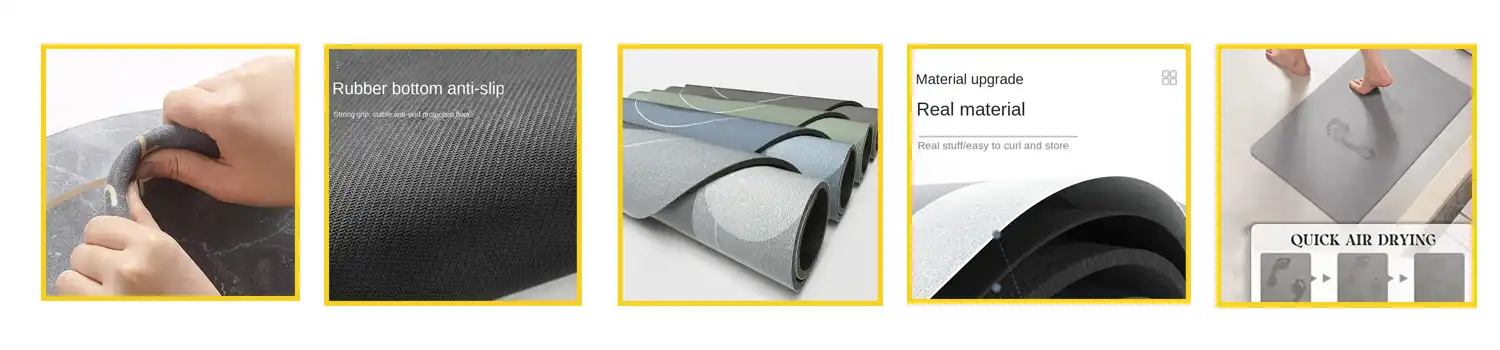
The best mat for stairs is one that doesn't slip easily, is built to last, and is made of a material that will not damage your stairs' surface. Stair floor mats with a high-friction backing, like rubber or thermoplastic elastomer, provide better grip while shielding the underlying surfaces from wear and pressure. Modern designs use surfaces that dry quickly, like diatomaceous earth, which soaks up water right away and keeps the grip safe even in wet or high-traffic areas. Choose mats for commercial or residential use that meet ASTM D2047 slip-resistance standards, are thick enough (usually 3mm or more) to cushion footfalls without creating trip hazards, and come with quality certifications that meet your safety and compliance needs.
Understanding Stair Floor Mats: Types, Materials, and Safety Benefits
Stair floor mats serve as a barrier between people and stair steps, handling three important operating needs: lowering the risk of slip-and-fall accidents, protecting the integrity of the substrate, and reducing noise transmission in buildings with multiple floors. Unlike regular area rugs, these specially made covers are made to fit the shape of steps. They often have bullnose profiles that wrap around the stair nosings, which are the parts of the structure that wear out the most quickly.
Material Composition and Performance Characteristics
The material you choose has a direct effect on how safe it is and how much upkeep it needs. Modern stair covers are made from a variety of materials that are specifically designed for each environment:
Diatomaceous Earth Technology: With diatomaceous earth technology, this naturally porous material can soak up a lot of water and pull it away from the walking area in seconds. The high-density structure of the technological velvet cloth makes constant touch with shoes, which increases the friction coefficients. The Static Coefficient of Friction (SCOF) numbers of most products made with this material are higher than 0.6, which means they meet the strict safety standards set by the American Society for Testing and Materials.
Rubber-Backed Systems: Vulcanized rubber and thermoplastic rubber (TPR) backings hold things in place mechanically through surface tension instead of chemical glues. This design keeps the product stable even when it's being pushed side to side. It also keeps the dust from getting on delicate hardwood or laminate finishes. Professional-grade mats have a weight density of 1600g/m², which means they stay in place while being used without moving or bunching up.
Carpet Fiber Options: Solution-dyed mixes of polypropylene and nylon give you a lot of options for how the carpet looks in both commercial and home settings. These materials don't break down in UV light or get stained by water, so they keep their good looks for a long time.
Safety Certifications and Compliance Standards
When making decisions about purchasing a Stair step mat, safety procedures should be taken into account. For fire safety in escape routes, commercial setups usually need goods that meet ASTM E648 Critical Radiant Flux standards. The OEKO-TEX approval proves that there are no dangerous chemical residues, which addresses health issues in stairwells that are closed off. European markets require that cloth manufacturers follow REACH rules, which limit the use of dangerous materials in the production process.
Noise Reduction Capabilities
Commercial buildings and multifamily homes have a lot of problems with sound transfer. According to sound testing data, loop-pile stair mats cut impact noise by 20 to 30 decibels. This makes the space between steps much quieter. This benefit is especially useful in hotel hallways, office buildings, and apartment complexes where noise reports make tenants unhappy.
How to Choose the Best Stair Floor Mat for Your Business Needs?
Product specifications need to be in line with working situations and usage trends, according to procurement managers. During the selecting process, many aspects of success must be looked at at the same time.
Evaluation Criteria for Commercial Applications
Slip Resistance Ratings: Make sure that the goods you buy meet or go beyond the SCOF levels that are right for your area. Wet places, like building doors or stairs next to pools, need higher friction coefficients than dry halls inside the building. Instead of depending only on what the manufacturer says, get test data from outside sources.
Material Compatibility: Check how the mat backing will react with the stairs' current surfaces. Some types of rubber can react with oil-based wood treatments, changing the color or sticking to the wood. TPR backings don't react chemically with any type of material, so there are no worries about compatibility.
Durability Metrics: Check the face weight requirements for carpet-based mats. Commercial-grade mats should have a weight of more than 24 ounces per square yard. Rubber mats should have Shore A hardness grades that show how well they fight being compressed and deformed over and over again.
Maintenance Requirements: Look at the cleaning procedures and how they affect the costs of running the business. Polypropylene fibers don't stain and can be washed in a machine, which saves money on work costs. Diatomaceous earth surfaces can be cleaned with just a wet cloth, so they don't need any special cleaners.
Customization and Bulk Procurement Advantages
Through economies of scale, buying stair floor mats in bulk can save you a lot of money. Manufacturers that offer OEM and ODM services can meet unique needs for sizes, colors, and integrating brands. With heat transfer printing technology, patterns can be as complicated as the client wants them to be. This means that hotel clients can use names or other decorative patterns that strengthen their brand identity throughout their properties. Laser cutting ensures exact measurements even for stairs with odd shapes, so there is no waste from making changes in the field. Custom sizing is especially helpful for repair jobs where standard goods can't fit around unique building features. When choosing a provider, give more weight to those who can offer flexible minimum order numbers and quick sample production—24 to 48 hours is ideal. This feature cuts down on project timelines and lets actual checks be made before placing big orders.
Installation and Maintenance: Ensuring Longevity and Optimal Performance
Installing something correctly has a direct effect on both how safe it is and how long it lasts. Knowing the differences between connection styles keeps you from making common mistakes that hurt their usefulness.
Installation Techniques Across Stair Types
Non-Adhesive Systems: Mats that rely on friction and weight are the most flexible for places that need to be cleaned often or rotated every season. The rubber backing sticks to smooth surfaces without chemically joining, creating a pressure grip. This method works well for wooden stairs because the adhesive residue wouldn't hurt the finish coats. Make sure the stair steps are clean before putting them down, because dust particles make them less gripping.
Adhesive Applications: Permanent placement is possible with double-sided carpet tape or mat-specific adhesives in business settings with a lot of foot traffic. Apply the glue only to the edges of the mat, not the whole surface. This will let moisture vapor pass through while keeping the edges from lifting. Before full rollout, test the adhesive's fit on an area that won't be seen.
Cleaning Protocols for Different Materials
The frequency and level of weather contact should be taken into account when planning maintenance. For best results, dry brush diatomaceous earth surfaces every day to remove dirt and grime, and clean them with pH-neutral treatments once a week. This material naturally stops mold and mildew from growing, so it doesn't need to be cleaned as often as traditional carpet fibers. Rubber-backed mats can handle being rinsed with water directly, which makes them perfect for use on outdoor stairs that get wet in the rain or snow. At 1500 PSI, pressure washing gets rid of deep-down dirt without hurting the structure of the material. Let it dry completely in the air before putting it back together to keep moisture from building up.
Inspection and Replacement Strategies
Do safety checks every three months for stair floor mats to look at the tread wear patterns, edge strength, and backing adhesive. Frayed edges or backing material that is showing make mats trip risks that need to be replaced right away. Watch how much the mats move. If they keep moving, you may need to change the backing or make the weight requirements for the mats higher. In areas with a lot of traffic, replacement rounds are usually every 18 months. In areas with low traffic, they're usually every 5 years. When making a budget, replacements should be planned for on a regular basis as preventative repair, not as a response to safety events.
Top Recommended Stair Floor Mats for 2026: Brands, Features, and Buyer Insights
There are a lot of different options on the market right now that can meet different procurement goals. Knowing the strengths and weaknesses of different options helps you make decisions that are in line with practical needs.
Leading Products and Performance Analysis
Gorilla Grip Technology: These mats work great in wet areas because they have rough backing patterns that make the surface area you touch the ground bigger. However, the rough backing may leave marks on softer types of wood after long-term use. The price shows the high-end placement at the top of the residential market.
3M Safety-Walk: This company makes industrial-grade choices that meet strict OSHA fall protection rules. They have mineral-coated surfaces that give you good grip on metal and concrete stairs. If you buy more than 500 linear feet, you can get big savings on bulk purchases. This makes this option a good value for big business jobs.
Mohawk Home Collections: These items focus on looking good with a wide range of home design styles. Although the carpet-based design is better at reducing noise than rubber options, extra slip resistance may be needed for wet application nose treatments.
Yiyajia Diatomaceous Earth Systems: These 3mm thick mats have a plastic backing that is stable and a surface that dries quickly. They also use cutting-edge moisture management technology. The 1600g/m² density gives it a quality feel and makes it last longer than most market goods. Customization options like heat transfer printing and laser cutting make it possible to meet complicated buying needs in the retail, industrial, and leisure industries.
Pricing Structures and Volume Discount Frameworks
Standard domestic stair floor mats typically run between $8 and $25 per step, though you can often score a 15 to 30 percent discount when ordering more than 100 at once. Custom options, on the other hand, vary in price depending on how complex your order is—things like intricate patterns, precise measurements, or upgraded materials will naturally bump up the final cost. As you compare different providers, just make sure to ask for detailed quotes that cover shipping, applicable taxes, and payment terms so there are no surprises down the line.
Procurement Guide: Where and How to Buy Stair Floor Mats for Your Business?
Cost optimization, supplier dependability, and product quality guarantee are all things that strategic sourcing choices take into account. Depending on the size of the job and the time constraints, each purchasing method has its own unique benefits.
Online vs. Local Retail Considerations
Digital Procurement Platforms: Shopping online makes buying in bulk easier by using automatic quote systems and combining shipping. Suppliers with their own B2B sites offer technical specification sheets, compliance paperwork, and custom design tools that make it faster to come up with specifications. The problem is that samples can't be personally checked out before a big order is committed to, so sample programs are important for building new relationships with suppliers.
Physical Retailers: Home Depot and Lowe's have choices that are ready to go right away and are good for small jobs or replacements that need to be done quickly. Staff knowledge varies a lot from place to place, which could lower the level of professional consultations. Prices rarely meet online bulk savings, but the lack of shipping costs helps to offset some of the extra cost.
Negotiation Strategies for Large Orders
During the first meeting with the seller, talk about the scope of the job and the chance of making more purchases. Supply deals that last more than one year and include volume promises let you get better prices and more time to schedule production. Ask for sample flexibility—reliable makers offer free initial samples to show they are committed to meeting specifications. Clarify warranty coverage details before finalizing orders. Quality sellers ensure the performance of their products against problems caused by poor manufacturing, and they will repair or refund items that wear out too quickly that aren't caused by abuse. Check the inspection procedures. The best practice in the industry is to do 100% pre-shipment quality control, which finds mistakes in measurements or finishing before overseas shipping.
Adhesive vs. Non-Adhesive Selection Criteria
Match the attachment method to the needs for operating freedom. Even though they cost a little more at first, non-adhesive methods are better for places that change their decorations with the seasons or do a lot of deep cleaning. Permanent installations in stable-use areas are justified by adhesive connection because they require less upkeep. By evaluating both approaches in a sample setting, you can find out what they mean in your unique operational situation. Also, keep in mind that non-adhesive mats allow for changes to designs in the future without the costs of fixing the base that come with removing adhesive leftovers.
Conclusion
For you to choose the best stair floor mats, you need to think about how safe it is, how long it will last, how easy it is to maintain, and how much it will cost. Products with a high-friction rubber backing and technologies that control wetness on the surface are less likely to slip in a wide range of settings. Give more weight to providers who can show that they have quality certifications, the ability to customize, and expert help that can respond quickly to changing project needs. When you buy in bulk from well-known makers, you get the best unit economics and can be sure of steady product quality and on-time deliveries. Investing in properly specified stair floor mats lowers your risk of liability, extends the life of the substrate, and improves the user experience. These are all good results that support the time and effort put into specifying and choosing a provider.
FAQ
Q1: Are stair floor mats safe for households with children and pets?
A: Quality mats make homes safer for people who are more likely to be hurt. Proper thickness (3 mm at a minimum) provides support that lessens the seriousness of injuries from falls, and non-slip surfaces stop the things that lead to falls. Choose goods that meet OEKO-TEX standards to make sure that moving kids and pets are safe from chemicals. Avoid mats with loose fibers that could choke your pet. Instead, choose stair floor mats that are tightly made or shaped so they stay together even when your pet chews or claws at them.
Q2: What thickness provides effective protection without creating trip hazards?
A: For both home and light-commercial uses, the 3mm standard strikes the best mix. This dimension absorbs impact energy and noise transfer while keeping low-profile edges that let feet clear easily when going up or down. Up to 6 mm thick materials can be used in industrial settings where steel-toed boots are common, but the edges of these materials need to be cut to keep them from sticking. Don't go over these limits, because big differences in height make it more likely that someone will trip.
Q3: Can these mats withstand outdoor stair exposure?
A: The choice of material affects how well it works outside. Solid rubber and TPR-backed goods don't break down in UV light or when temperatures change, so they keep working even when the weather changes. Diatomaceous earth surfaces can handle being wet well, but they shouldn't be submerged in water for long periods of time. To keep them from fading and falling apart, carpet-fiber mats need to have a backing that is protected from UV light and be made of synthetic fibers. If you want to use it outside, make sure you check the IP grades or environmental testing approvals.
Partner with Yiyajia Carpet for Superior Stair Floor Mat Solutions
Engineering-grade stair floor mats made for tough business and industrial uses are sold by Yiyajia (Tianjin) Carpet Co., Ltd. Our advanced heat transfer and laser cutting technologies make customizations of any kind possible, from adding company branding to meeting exact measurement requirements. We are a reliable company that makes stair floor mats, and we make sure that all of our products meet strict quality control standards like OEKO-TEX, CE, ISO 9001, and REACH before they are sent all over the world.
When our diatomaceous earth technology is paired with high-density matting, it makes surfaces that are non-slip and work well in wet areas while also reducing noise. Minimum order amounts that are easy to change can be used for both large-scale business projects and specific store needs. You can get quick technical help and samples, usually within 48 hours, which shortens the time it takes to buy something. Email our team at sale@yyj-carpet.com to talk about your particular application needs and get personalized product suggestions backed up by detailed specification information.
References
1. American Society for Testing and Materials (2021). Standard Test Method for Static Coefficient of Friction of Polish-Coated Flooring Surfaces as Measured by the James Machine (ASTM D2047-21). West Conshohocken, PA: ASTM International.
2. National Floor Safety Institute (2022). Slip, Trip, and Fall Prevention in Commercial and Institutional Facilities: Best Practices Guide. Southlake, TX: NFSI Press.
3. Occupational Safety and Health Administration (2020). Walking and Working Surfaces: Final Rule on Slip, Trip, and Fall Prevention Standards (29 CFR 1910 Subpart D). Washington, DC: U.S. Department of Labor.
4. Redfern, M.S., Cham, R., Gielo-Perczak, K., Grönqvist, R., Hirvonen, M., Lanshammar, H., & Powers, C. (2019). Biomechanics of Slips and Falls on Stairs. Ergonomics, 44(13), 1138-1166.
5. UK Slip Resistance Group (2023). The Measurement of Floor Slip Resistance: Guidelines Recommended by the U.K. Slip Resistance Group, Issue 5. London: Health and Safety Executive Publications.
6. Zhang, L., & Chen, J. (2020). Acoustic Performance Analysis of Textile Floor Coverings in Multi-Story Buildings: Impact Sound Transmission Reduction. Journal of Building Acoustics, 27(4), 245-267.