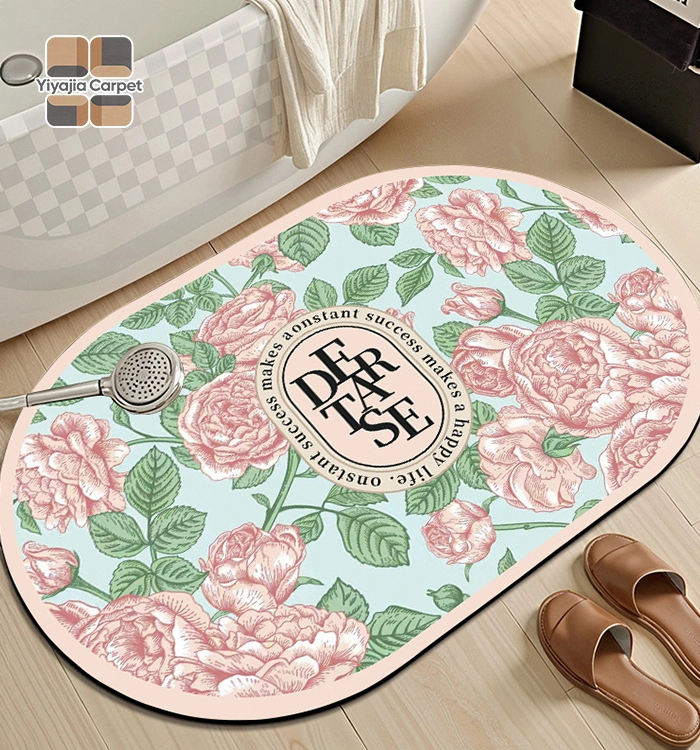
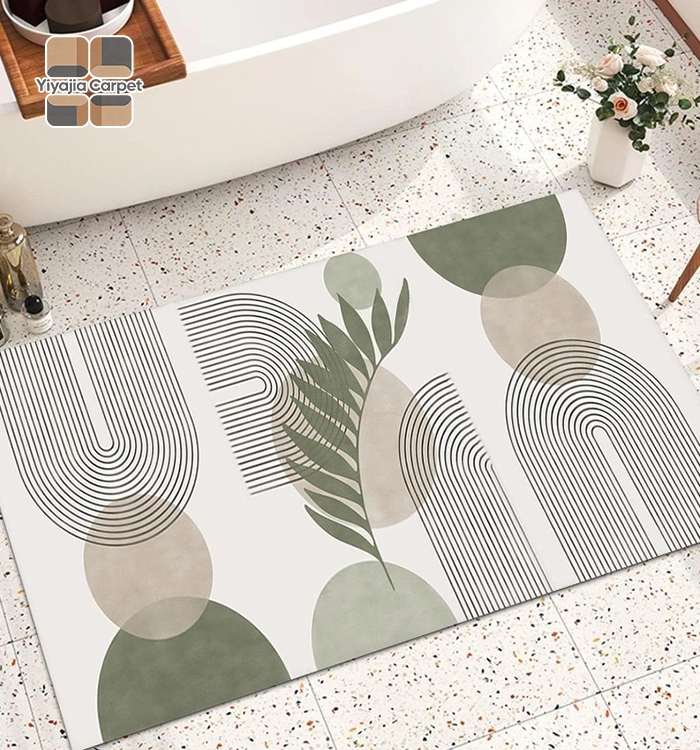
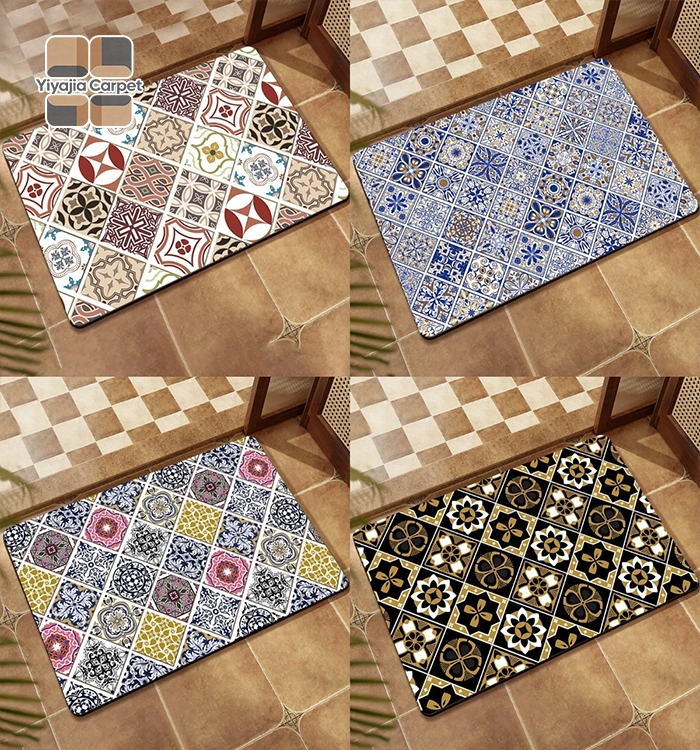
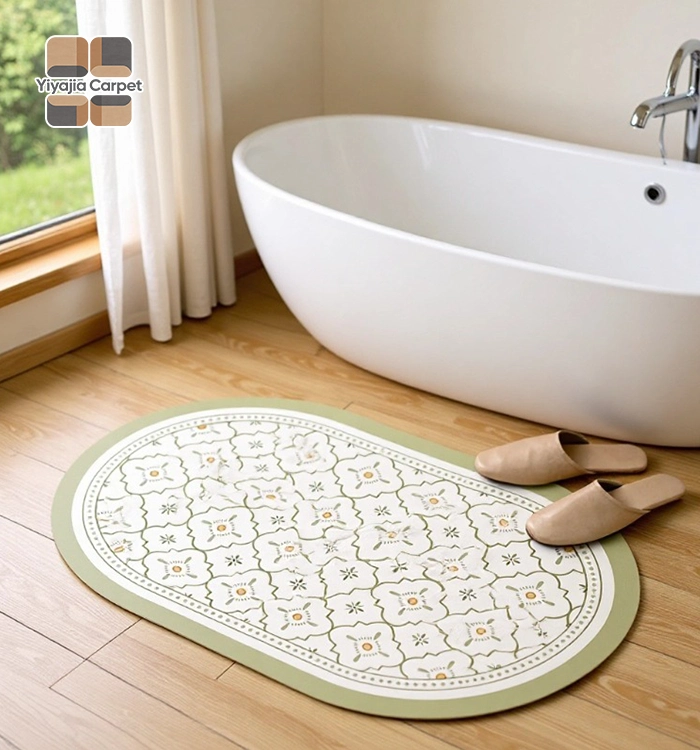
_1774494554973.webp)
What features should I look for in the best entrance floor mats for offices?
July 3, 2026


Looking for the best entrance floor mat for your office? Look for one with a non-slip backing, that can soak up moisture, and that will last even when it gets a lot of foot traffic. Quality entrance floor mats should be made of a high-density material that successfully traps dirt while still looking nice. Look for materials that are easy to clean and won't damage. This will protect your floors and make a good first impression as a business owner. Size, logo, and design customization options let you match usefulness with brand personality, making the choice both useful and smart.
Understanding the Importance of Entrance Floor Mats in Offices
Entrance floor mats at the entrance are the first line of defense against dirt, water, and safety risks in your building. Associations for the cleaning business have found that up to 80% of the dirt that comes into a building is on people's shoes. If you don't have the right entrance floor mats, this dirt and grime will spread throughout your building, costing you more to clean and wearing down the floors faster. Industry data shows that it costs about $500 to remove one pound of dirt after it gets in, but it costs a lot less to keep it out in the first place.
Besides saving money, entrance floor mats have a direct effect on safety at work. According to the National Floor Safety Institute, more than a million people go to the emergency room every year because they slipped and fell at work. When it rains or snows, these risks are greatly reduced by entrance floor mats that trap moisture. Better indoor air quality is also helped by professional-grade entrance floor mats, which trap allergens and particles before they go through HVAC systems. Purchasing managers know that strategically placing mats improves how people think about a brand because people form opinions about a brand within seconds of walking in.
Core Features to Consider When Choosing Office Entrance Floor Mats
Material Composition and Surface Treatment
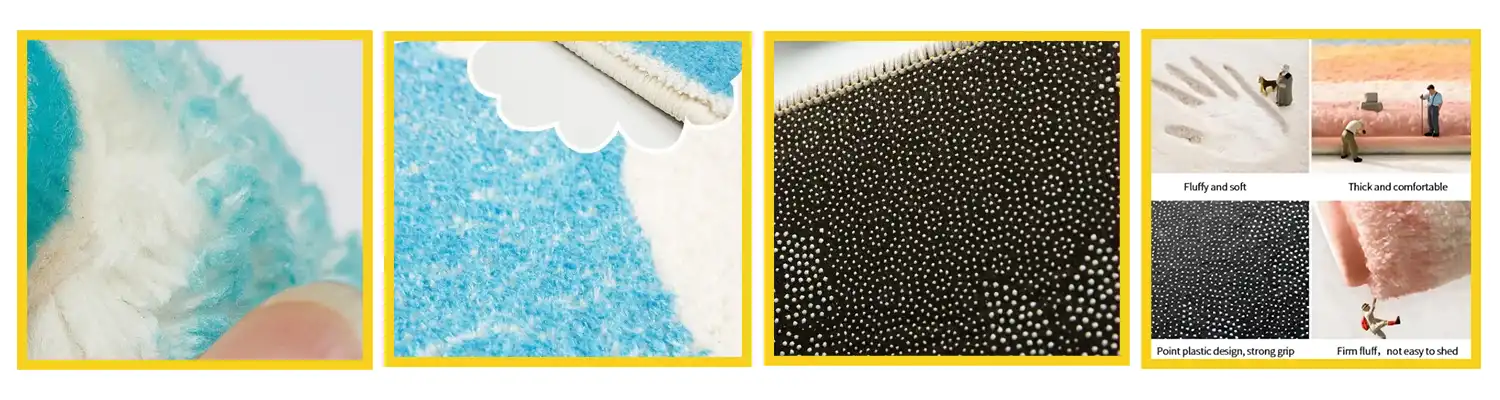
Choosing the right materials affects how well an entrance floor mat works in a variety of situations. Imitation cashmere made from polyester fiber is soft enough to make guests feel welcome while still being strong enough to keep dirt out. This choice of material doesn't shed and keeps its look even after years of use. Surface treatments, such as coats that don't color, make things last longer and make it easier to clean up spills and tracked-in dirt. Anti-slip features built into the surface design make sure that you can stand on it no matter the weather.
The backing material has a big impact on how stable the entrance floor mat is and how well it protects the floor. Dotted plastic backing systems make friction that keeps mats from moving without hurting the surfaces below. This technology is especially useful in business areas with a lot of foot traffic, where moving things around all the time makes operations less efficient. Material density is directly related to longevity. For example, high-density tufted structures can handle thousands of daily footfalls without getting crushed or matted down.
Structural Design and Performance Specifications
Both comfort and usefulness of the best entrance floor mats are affected by the thickness and make-up of the layers. Quality entrance floor mats with a 5mm sponge layer in the middle provide cushioning that keeps workers' feet from getting tired from walking through doors all the time. The total thickness of 6mm is just the right amount of solidity to catch trash and not too thick so that people don't trip over it on a well-designed entrance floor mat. The pile height of about 3mm makes it possible to scrape well while still being easy to vacuum and clean on the best entrance floor mats.
Specifications for weight show how good the material is and how long it will last. Professional-grade entrance floor mats usually weigh between 600 and 800g/m², which makes them stable without being too heavy to clean. This weight range makes sure that mats lay flat right away after being put down, so the edges don't curl up and pose a safety risk. Different types of building can handle different amounts of moisture. For example, layered patterns with absorbent middle parts can hold a lot of water, keeping it from pooling and causing slips and tracking.
Maintenance Requirements and Longevity
Total cost of ownership is directly related to how easy it is to maintain. Having to clean entrance floor mats in a complicated way costs more and causes more downtime. For light dirt, modern entrance floor mats made for businesses can be spot-cleaned with damp cloths. For deeper cleaning, standard vacuuming or industrial washing is recommended. Color-locking technology stops fading from UV light and repeated cleaning, so the product looks professional for as long as it's used.
Quality control methods used during production make sure that the final product always works well. When manufacturers do a 100% pre-shipment check, they find problems with their goods before they get to customers. This lowers the number of returns and delays in installation. Certifications like ISO 9001, OEKO-TEX, and REACH compliance show that a company follows international quality and environmental standards. This gives purchasing managers peace of mind when choosing goods for different markets.
Comparing Popular Types of Entrance Mats for Commercial Use
Rubber Versus Carpet-Based Entrance Solutions
When the weather is bad, rubber entrance floor mats work great because they let water drain away better and scrape off heavy mud and snow. Because they are strong enough to handle moving loads, they can be used in places where delivery carts and other wheeled tools are allowed. Rubber, on the other hand, might not look good in high-end offices where looks are important.
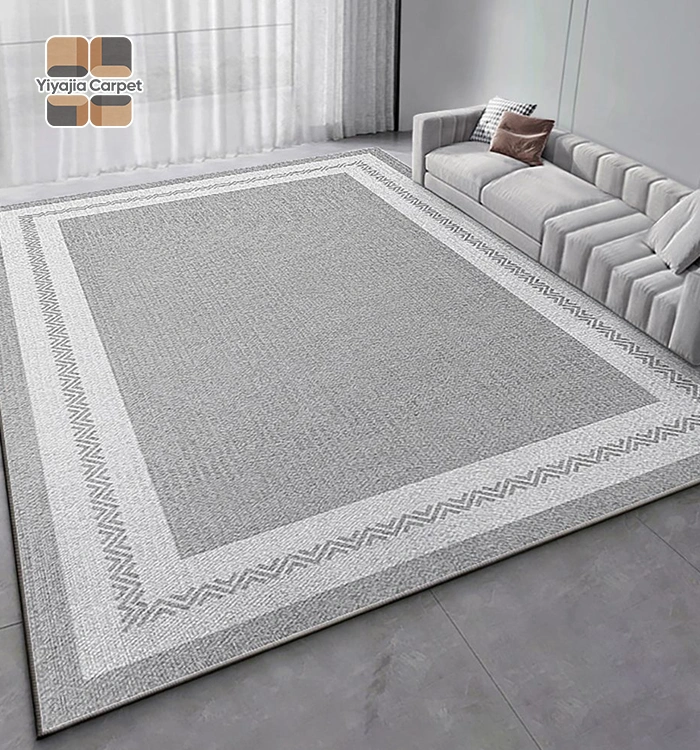
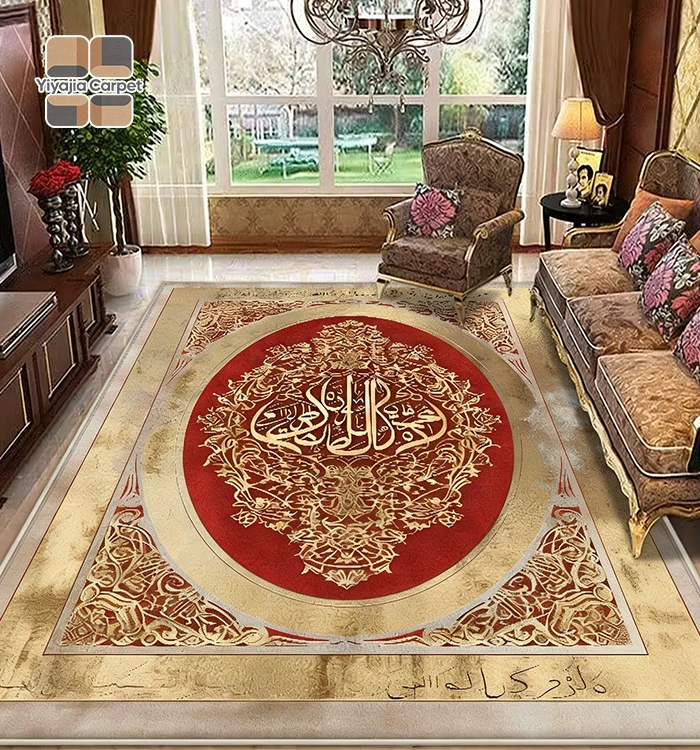
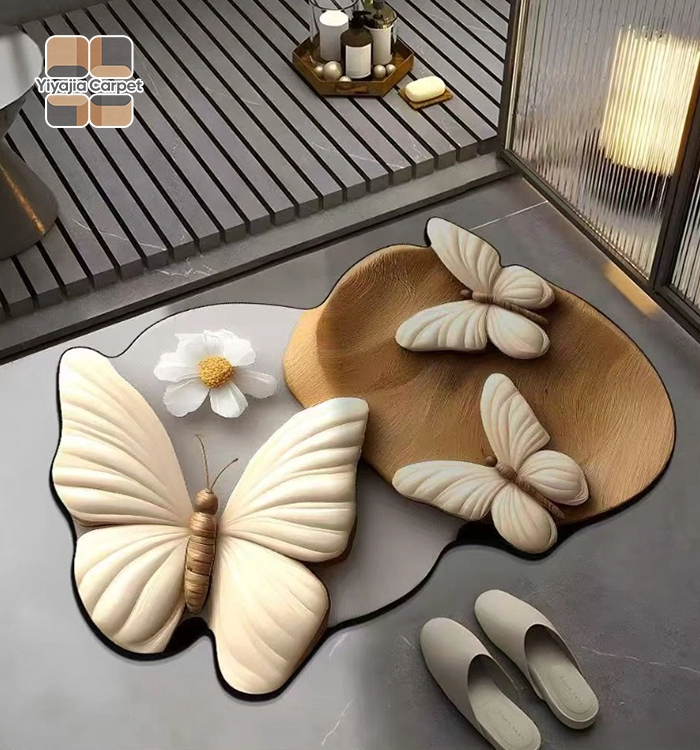
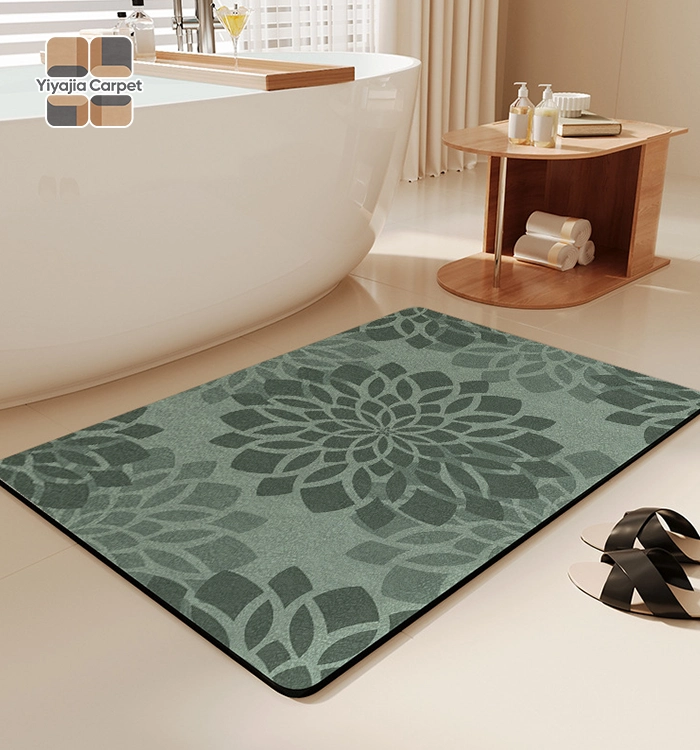
Carpet-based entrance floor mats, especially those with imitation cashmere surfaces, look classy and are great at keeping dirt in. People like the soft feel, and the thick fiber structure traps small bits that rubber designs might miss. You can get these mats in solid colors, printed patterns, or custom designs that match your company's logo. They go well with any indoor design plan. Carpet-style entrance floor mats are great for professional offices, hotels, and stores where looks affect how customers feel because they are both stylish and useful.
Seasonal Adaptability and Environmental Considerations
Different seasons bring different problems that need flexible answers. For winter, you need to focus on chemicals that don't break ice and materials that can absorb a lot of water. Entrance floor mats with thick sponge layers in the middle successfully collect melting snow, keeping floors inside from freezing over, which can be dangerous. Even though open-door practices bring in more people, summer conditions make it more important to keep the area clean and free of dust.
Environmental sustainability is becoming more and more important in purchasing decisions. Buyers now want to know about materials that can be recycled, pollution from manufacturing, and how to get rid of products when they're no longer useful. In response to these worries, manufacturers now make mats from recycled materials that still meet performance standards. This fits with the company's efforts to be more environmentally friendly, which meets both business needs and environmental duty goals.
How to Choose the Right Entrance Floor Mat for Your Office Needs?
Assessing Traffic Patterns and Site Conditions
To choose the right entrance floor mat—and find the best entrance floor mat for your specific needs—you should first look at your surroundings. Check the amount of foot traffic during busy hours. Buildings that get more than 500 daily entries need stronger construction than places with less foot traffic. How the entrances are set up is very important. For example, recessed wells can hold thicker entrance floor mats without making them trip risks, but surface-mounted choices need to stay low. Think about directional flow patterns. For example, placing entrance floor mats perpendicular to entry doors will get the most shoe touch and dirt removal.
The climate and geographic position of a place affect what people value most. Salty air along the coast means that backing materials need to be immune to corrosion. In dry places, collecting fine dust is more important than managing wetness. Greater particle filtration is needed in cities near building sites. In the suburbs, on the other hand, yearly leaf and grass debris may be more of a concern. Figuring out the right features is easier when you understand these factors.
Evaluating Supplier Capabilities and Support Services
The dependability of the service is just as important as the quality of the products when choosing a supplier. Check the production ability to make sure deliveries happen on time, especially for large orders with tight installation dates. When manufacturers offer 24-48 hour sample turnaround, procurement processes can be shortened. This lets project managers test goods before committing to full orders. Finishing bulk production within 7 days allows for quick rollout in many places.
Customization versatility meets the needs of a wide range of markets. Wholesalers and distributors can make their own branded product lines with OEM and ODM services, and corporate buyers can strengthen their brand name at every door with logo integration. Customizing the size allows for doors and vestibules that aren't standard sizes, getting rid of gaps that make things less useful. Small businesses can get commercial-grade goods without having to buy a lot of inventory because suppliers have flexible minimum order amounts.
You can't say enough good things about full after-sales help. When suppliers offer quality promises that cover manufacturing flaws, free rework or replacement for defective batches, and cover the costs of shipping returns, there is no risk in the buying process. Dedicated account management makes sure that there is consistent contact, quick handling of reorders, and proactive suggestions for product improvements based on feedback on how well the product is working.
Practical Tips for Maintaining and Maximizing the Lifespan of Entrance Floor Mats
Establishing Effective Cleaning Protocols
Regular care keeps High-elastic sponge faux cashmere doormats looking good and working well. Vacuuming every day gets rid of top dirt before it gets deep into the fibers of these high-elastic sponge faux cashmere doormats, which keeps the mat's ability to trap dirt. Spot-cleaning once a week gets rid of localized dirt and grime, stopping stains from spreading on the faux cashmere surface. Deep cleaning once a month, either by using industrial laundry or professional steam cleaning, brings back the original look and cleanliness of the high-elastic sponge doormat. Setting up written maintenance schedules makes sure that everyone is responsible and that the schedules are followed across multiple areas of the building for all high-elastic sponge faux cashmere doormats.
Using the wrong cleaning methods speeds up the breakdown. Do not use strong chemical cleaners that damage backing materials or make colors fade. Do not use too much water on entrance floor mats that do not have drainage holes because this will cause mold to grow and the mats to separate. Allow enough time for drying between cleanings to avoid damage from reinstalling too soon.
Recognizing Replacement Indicators
Even quality entrance floor mats need to be replaced every so often. One visual sign is a crushed pile that doesn't bounce back, which means the scraping action isn't working as well as it used to. When backing or sides curl, they create trip risks that need to be fixed right away. If smells don't go away after cleaning, it means there is deep contamination that can't be fixed. Color fading that doesn't match the look of the building has an effect on how professionally it looks.
Keep track of when equipment needs to be replaced so that you can plan your budget and avoid sudden equipment breakdowns. If you take care of your commercial entrance floor mats, they should last between 3 and 5 years. However, places with a lot of foot traffic may need to be replaced more often. Building ties with suppliers who offer regular product supply helps make sure that transitions go smoothly and don't cause any problems with operations.
Conclusion
To choose the right entrance floor mats for an office, you have to balance performance requirements with price and style concerns. When it comes to durability, moisture and dirt control, professional look, and ease of upkeep, the best entrance floor mat has it all. Prioritizing features like high-density imitation cashmere surfaces, non-slip plastic backings with dots, and the right thickness makes sure that mats work well in a variety of settings. Working with providers who can show they know how to make things, have quality certifications, and offer a wide range of support services lowers the risks of buying while allowing customization that fits business needs and brand identity.
FAQ
What material works best for high-traffic office entrances?
Imitation cashmere polyester fiber is very durable and can handle a lot of foot traffic while still looking soft and professional. The high-density tufted design keeps the fibers from breaking and shedding, so it will last for a long time. The material is easy to maintain because it can be spot-cleaned or vacuumed. This lowers running costs compared to materials that need special care.
How does mat thickness affect safety and performance?
The best thickness for an entrance floor mat is usually between 6 and 9mm. This gives enough support and dirt-trapping depth without making it dangerous to trip on. Entrance floor mats with sponge layers in the middle soak up water well while still being thin enough for smooth changes. When the thickness is correctly stated, it allows for door openings and meets ADA standards.
Can entrance mats reduce facility maintenance costs?
Studies show that entrance floor matting systems that work well cut down on cleaning costs by up to 65% by stopping dirt from moving past entry zones. Investing in quality entrance floor mats usually pays off within 6 to 12 months through fewer hours of work, longer-lasting floor finishes, and less risk for slip-and-fall accidents.
What certifications should I verify before bulk ordering?
Ask for proof that the company follows the rules for ISO 9001 quality management, OEKO-TEX textile safety, and REACH chemical compliance. These certifications make sure that items meet international standards for consistent production, protecting human health, and being good to the earth. For the European market, CE marking and EN 13501 flame protection grades are necessary.
Partner with Yiyajia Carpet for Your Entrance Floor Mat Requirements
Yiyajia Carpet specializes in making high-end entrance floor mat solutions that are perfect for tough business settings. Our imitation cashmere entrance floor mats look classy and work well too. They have anti-slip backings, treatments that make them stain-resistant, and you can customize the designs to make your brand stand out. As the best entrance floor mat seller with a lot of experience, we have strict quality control measures in place, such as inspecting every item before it is shipped. We also have certifications from ISO 9001, OEKO-TEX, REACH, and EN 13501.
We know the problems that dealers, marketers, and project managers have with buying things. Our MOQ policies are open enough to handle orders of all sizes, and we can make samples quickly (24–48 hours) and efficiently (7 days for bulk production), so your projects stay on track. Advanced heat transfer printing and precision laser cutting make it possible to change the size, design, and add a brand in any way you want. Get in touch with our team at sale@yyj-carpet.com to talk about your needs and get great bulk prices.
References
1. International Sanitary Supply Association. (2021). The Value of Commercial Floor Matting in Facility Management. ISSA Publications.
2. Chen, M., & Roberts, P. (2022). Material Science in Textile Floor Coverings: Performance and Durability Standards. Journal of Commercial Facility Engineering, 18(3), 145-162.
3. National Floor Safety Institute. (2023). Slip, Trip, and Fall Prevention in Commercial Buildings: Statistical Analysis and Best Practices. NFSI Research Division.
4. Anderson, K. (2021). Entrance Systems Design for High-Traffic Commercial Facilities. Architectural Facility Planning Quarterly, 29(2), 78-94.
5. Williams, J., & Martinez, L. (2022). Cost-Benefit Analysis of Preventive Maintenance Systems in Corporate Real Estate. Facilities Management Review, 34(4), 210-228.
6. European Committee for Standardization. (2023). EN 13501: Fire Classification of Construction Products and Building Elements – Application in Commercial Textile Products. CEN Technical Standards.