_1774494554973.webp)
Top-rated small living room carpets for high traffic areas
September 29, 2026


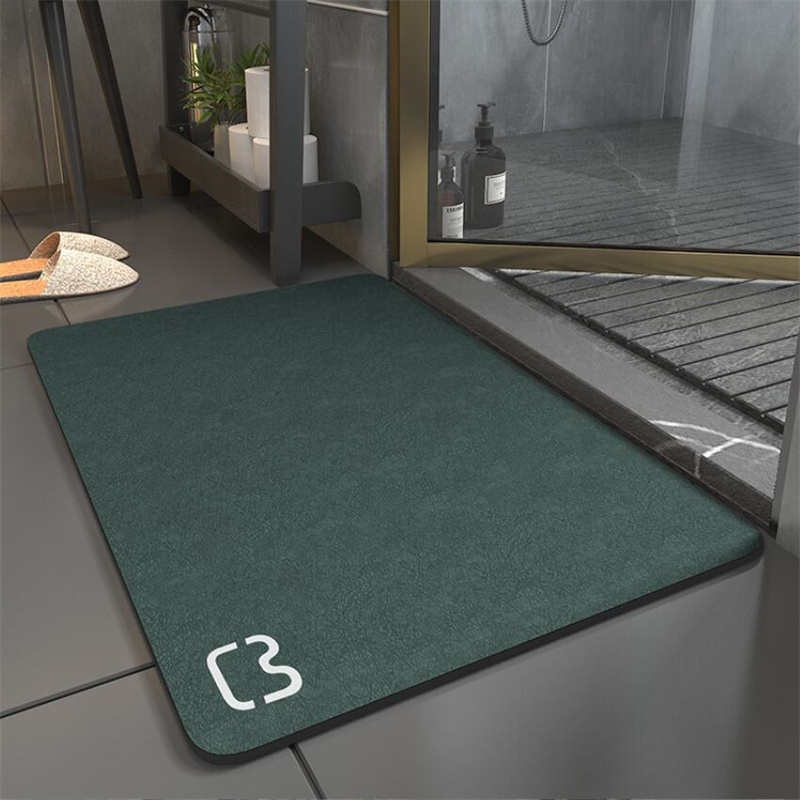
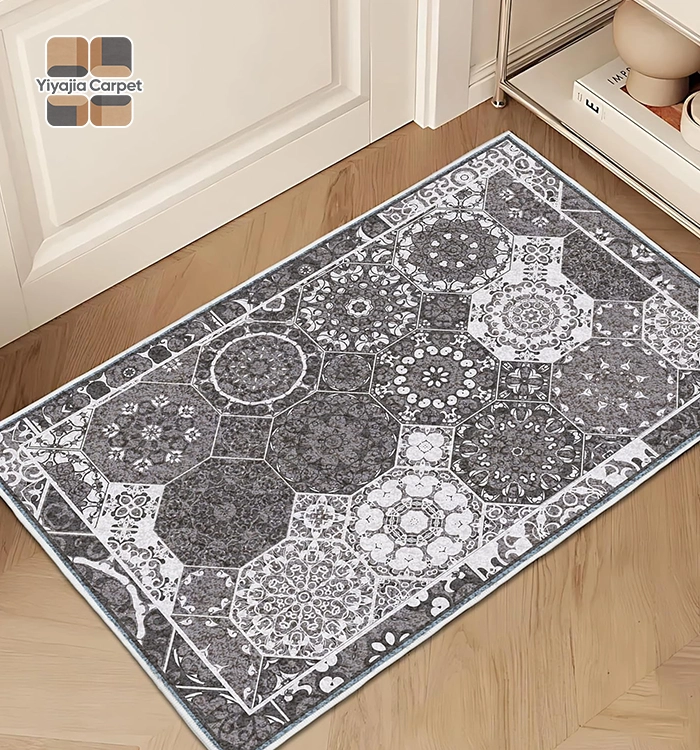
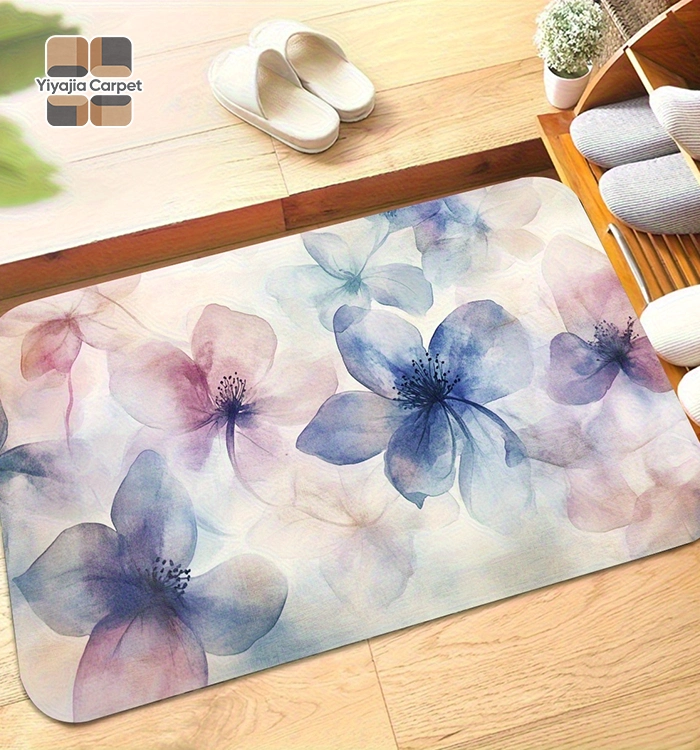
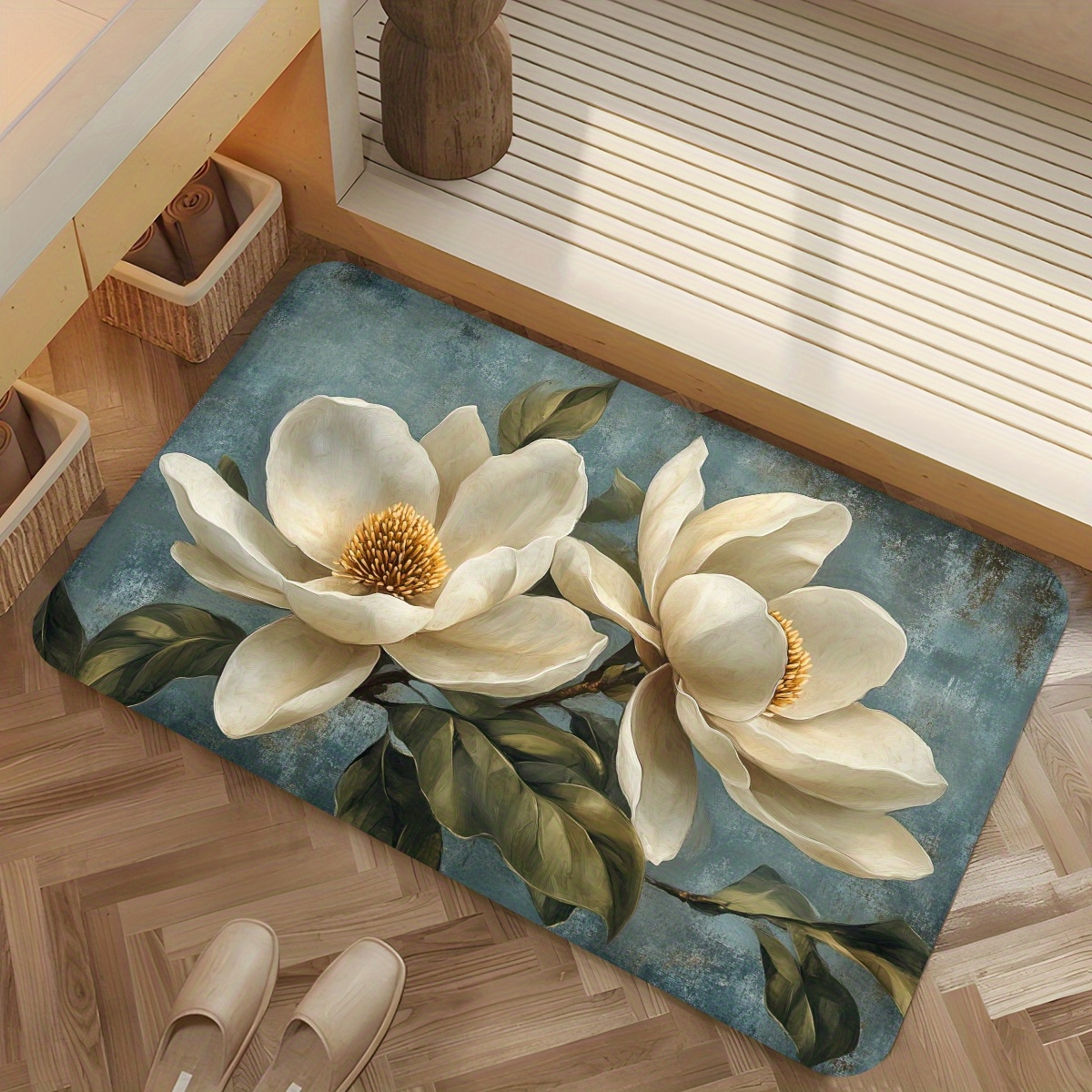
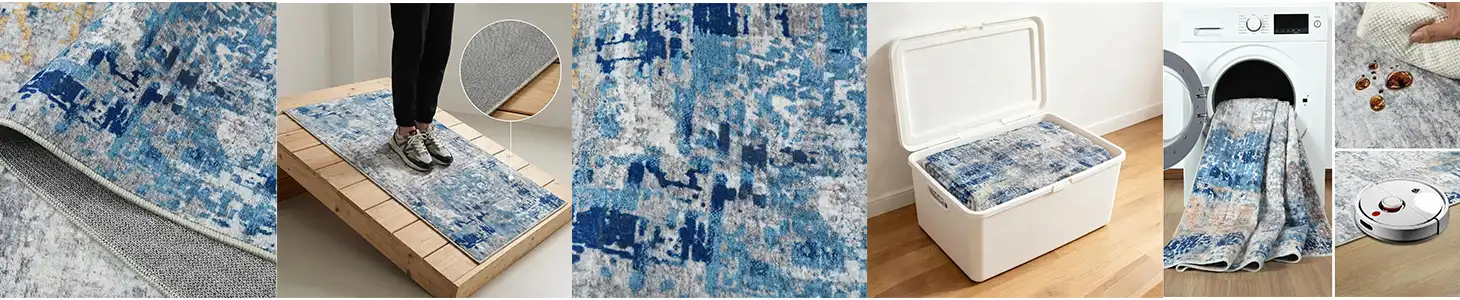
The correct small living room carpet is crucial for small homes and businesses, especially in high-traffic areas. These unique floor solutions must balance space efficiency and wear resistance. The buying teams must have reliable and attractive alternatives after years of use. Small living room carpets must be properly calculated, have a high wear tolerance, and be composed of materials that won't crush when several people walk on them. Advanced technologies produce carpets with exquisite imitation cashmere surfaces and TPR thermoplastic rubber backing. In many B2B applications, these carpets fulfill aesthetic and performance demands.
Understanding the Challenges of Carpets in High Traffic Small Living Rooms
Small spaces have challenges that must be considered during the purchase process. Walking through spaces under 300 square feet creates wear and tear as fibers are continuously crushed. In big areas, foot activity naturally spreads out, but in compact rooms, tight corridors between furniture patterns accelerate wear and tear.
Accelerated Wear from Concentrated Footfall
Traffic-heavy locations compress fibers, changing their feel and appearance. The most stressed pivot points are around entrances and furniture adjustments. Research shows that small living room carpets mat 40% faster than larger room carpets. So picking the proper material should be strategic, not simply cosmetic.
Material Performance Under Spatial Constraints
Testing protocols reveal that thin piles collapse early in compact settings. Unbacked carpets shift when furniture is placed on them, making the floor unsafe for walking. TPR thermoplastic rubber backing solves this problem by gripping hard flooring and keeping its form after several cleanings. Even when moved frequently during room rearrangement, the machine-woven and edge-locked carpets do not rip.
Procurement Principles for Small High-Traffic Spaces
Decision-makers should consider three variables while evaluating providers. Business durability metrics must have Martindale test cycle ratings over 25,000. Stain resistance is essential in multipurpose spaces like dining and living rooms. Select a texture with 0.25–0.5-inch pile heights. This makes the floor simpler to maintain and less worn by foot activity. A major hotel converted 200 guest room sitting areas to beautiful imitation cashmere carpets. This implies carpets need to be changed every 18 months instead of 9 months. In keeping with their environmental aims, the buying team ensured sure the sets were baby-safe and odor-free.
Top Carpet Types and Materials for Small Living Rooms with High Foot Traffic
The composition of a material impacts its durability and upkeep in hostile environments. Learning about product performance helps procurement experts match products to uses.
Synthetic Fiber Advantages in Commercial Settings
Modern synthetics function well and are affordable. They satisfy rigorous corporate criteria. Faux cashmere has comparable textures to genuine cashmere but is stain-resistant. These customized materials retain their color even when exposed to UV radiation, which is vital in natural light environments. Solution-dyed structure prevents color runoff during hot water extraction, extending usage. Different varieties of polyester and polypropylene repel water better than natural fibers. For ground-floor or humid locations, this characteristic is crucial. Synthetic fibers don't absorb water, so they prevent mold and smell retention and meet household air quality standards without extra treatments.
Construction Methods That Enhance Traffic Resistance
Machine-woven small living room carpets with stronger backing outperform hand-tufted carpets in high-traffic areas. TPR thermoplastic rubber creates a non-slip basis, eliminating the need for rug pads. The overall cost of ownership drops. Edge locking technology maintains threads tight after years of everyday usage. Clean edges provide a professional appearance. Flat-weave and low-pile fabrics function better in busy areas than shag. Closely packed fibers don't crumble and camouflage plush rug footsteps after a few weeks. Purchasers should examine pile density and search for items with at least 2000 ounces per cubic yard for commercial installations.
Eco-Friendly Innovations Meeting Regulatory Standards
Environmental certifications were once optional but now compulsory for purchase. Products satisfy EU safety requirements with CE and ROHS compliance. Companies can offer their items in many locations. For places with children or other sensitive persons, OEKO-TEX accreditation ensures material safety. ISO 9001 accreditation reveals a company's quality control consistency, which boosts repeat purchases. By ensuring that each batch is the same, these requirements reduce supply chain risk and help maintain a consistent look across project phases and locations.
Color, Size, and Design Tips to Enhance Small Living Room Carpets
Rugs may be changed from basic requirements into space assets that make a room seem bigger and operate better with clever design.
Visual Expansion Through Color Selection
Light neutral tones reflect natural light, making the floor appear larger. Cream, light gray, and mild brown brighten spaces and match many furniture styles. Heathered or somewhat patterned designs hide dirt between cleanings, so you won't have to buy new ones as often. Dark colors absorb light and make things appear smaller, so they're not suitable for tiny spaces despite hiding stains. Instead of huge themes that take up too much area, choose simple geometric or abstract patterns.
Dimensional Planning for Optimal Spatial Impact
The "front legs rule" states that small living room carpets should go beneath furniture's front legs, leaving 12–18 inches of floor along the walls. This approach defines seating spaces without crowding the room like wall-to-wall installations, making it ideal for a Light Luxury Living Room rug where balanced proportions and elegance matter. Size customization ensures that furniture fits precisely in odd-shaped spaces, while too-large sizes waste space. When manufacturers provide flexible design with MOQs as low as 50 pieces, buying teams may satisfy project demands without stockpiling. Logo customization and 7-day delivery assist branded regions in business and pleasure.
Acoustic and Comfort Considerations
Carpets provide style and reduce sound in tiny spaces where echoes make sounds stronger. The correct floor covers reduce impact noise, making rooms quieter and increasing comfort and property value. This is crucial in multi-unit hotels and apartment buildings because client satisfaction depends on competent management.
Procurement Best Practices for B2B Buyers: Sourcing Small Living Room Carpets for High Traffic
Strategic sourcing requires more than price per unit of supplier evaluation. You must consider their service qualities and long-term relationship potential.
Supplier Evaluation Criteria
Production capacity affects order fulfillment reliability. Manufacturers with 2000 square meters of daily output can manage large projects without extensive lead periods. Offering foldable and carton packaging reduces shipping costs by boosting container utilization. Delivery success should include on-time shipping records and customs clearance assistance. Suppliers who offer entire documentation packages and competent declaration services reduce port detention concerns and project delays. With full container loads and LCL shipments, you may accommodate varying order sizes.
Customization Capabilities and Minimums
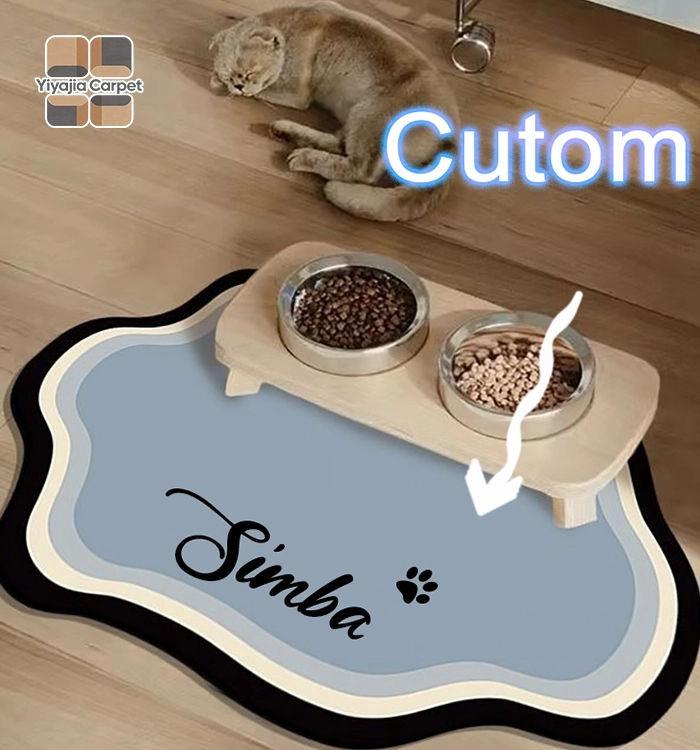
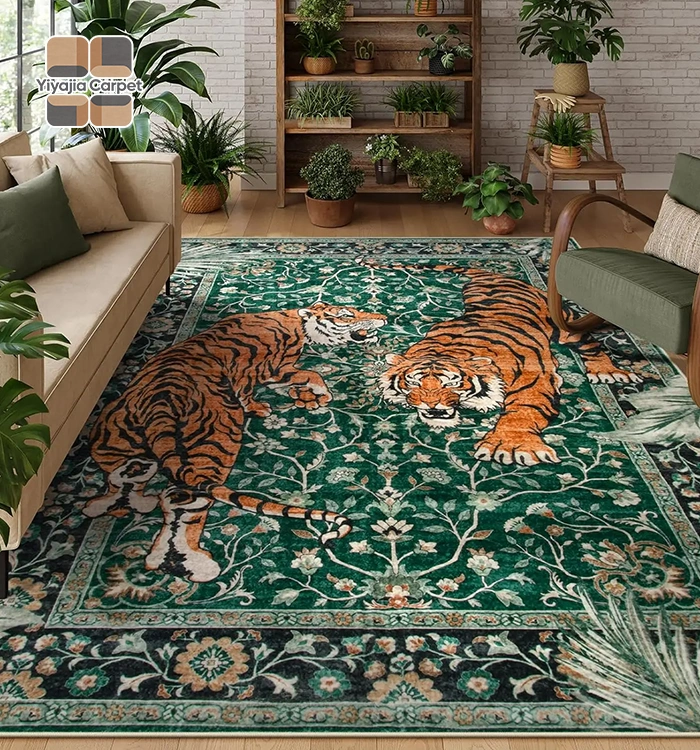
Modern production processes can produce patterns and forms whereas older systems cannot. Heat transfer printing can print any picture, and laser cutting can generate irregular shapes and accurate measurements without equipment. These talents meet many worldwide visual demands. Low customization constraints help everyone get distinctive solutions. Medium-sized assignments may afford size and color customization with 50-piece minimums. Wholesalers and online retailers with many customers benefit from this independence.
Building Long-Term Supplier Relationships
Framework arrangements safeguard you from market fluctuations by setting fixed prices and capacity restrictions. Dedicated business liaisons help suppliers process recurring orders and offer trend-based style modifications. Quality guarantees like free rework and transportation cost reimbursement help clients make secure purchases by removing production risk. Yiyajia (Tianjin) Carpet Co., Ltd. exhibits these relationship features since they follow all regulations (CE, ROHS, OEKO-TEX, ISO 9001, REACH, EN 1350) and manufacture samples rapidly (24–48 hours). Their one-stop legal system flexibility simplifies distribution to diverse markets while maintaining small living room carpets quality.
Maintenance and Longevity: Keeping Small Living Room Carpets Pristine Under Heavy Use
beautiful maintenance strategies keep things looking beautiful and extend the life of brand-value assets.
Cleaning Methods Optimized for Material Types
Hot water extraction should be done annually or every other year, depending on traffic. Weekly HEPA-filtered washing removes harsh hidden grit that degrades fibers. Chemical off-gassing problems are eliminated before and after cleaning since excellent rugs are composed of non-smelly, baby-safe materials. TPR backing materials don't shrink or break when you wash them. This stability allows you to aggressively remove stains, keeping them looking beautiful in food service or family-friendly situations.
Preventive Measures Reducing Replacement Frequency
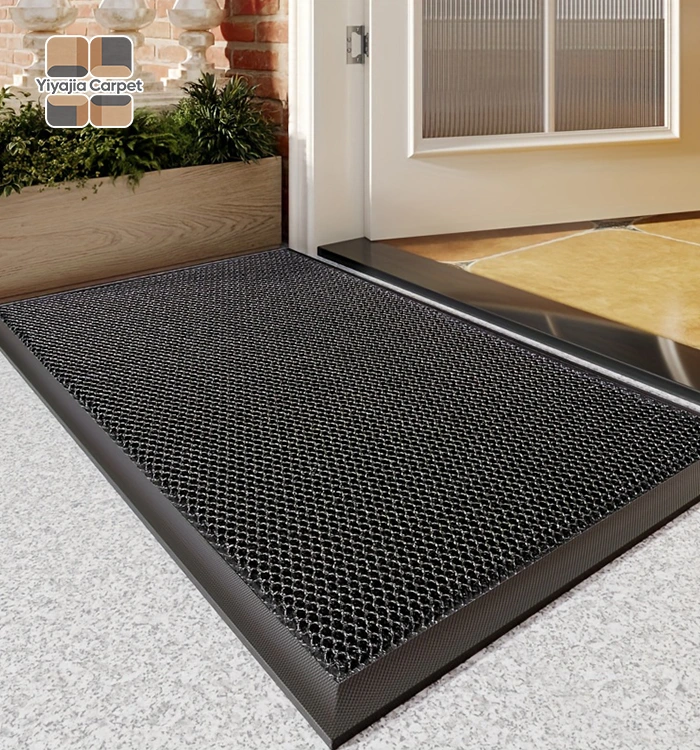
Smart furniture placement distributes weight, preventing floor compression marks. Turning the small living room carpet every 6–12 months evens out traffic-related wear. Entry mats catch dirt before floor coverings. This reduces cleaning and extends flooring life. Professional checkups can identify damage early so it can be repaired locally rather than replaced. Edge re-binding and spot fiber replacement may restore carpets to their former glory for less than a new one, helping lifetime budgets.
Performance Tracking for Procurement Optimization
Recording when objects require cleaning, fixing, or replacing generates data for future purchases. Comparing pricing from multiple sources reveals hidden cost-of-ownership discrepancies. This proof-based strategy improves procurement performance by enhancing specifications and supplier selection variables.
Conclusion
Space planning and material performance must be considered when choosing carpeting for tiny, high-traffic areas. B2B buyers choose durable, attractive synthetic surfaces that can withstand heavy use. Supplier partnerships that allow flexibility, meet rules, and offer fast support throughout a product's lifespan are crucial to procurement success. Strategic material choice, dimension planning, and maintenance guidelines help small living room carpets last longer and look better, saving money on projects and making customers happier in residential, hospitality, and commercial settings.
FAQ
Q1: What carpet material works best for small high-traffic living rooms?
A: Synthetics like quality faux cashmere with TPR thermoplastic rubber backing are most durable. These materials don't discolor, retain form, and wear better than natural fibers. The machine-woven construction and edge locking prevent fraying, making them ideal for corporate and household usage when replacement costs are high.
Q2: How do I determine the correct carpet size for a compact space?
A: The "front legs rule" might help you pick a small living room carpet that fits the front legs of your furniture while allowing 12 to 18 inches of floor space around the walls. This strategy splits space into useful zones without taking up too much. Customization options starting at 50 pieces allow for accurate space fitting without the constraints of conventional sizes.
Q3: Are stain-resistant treatments worth the investment for commercial projects?
A: Of course. Stain-resistant rugs reduce cleaning and replacement by 40 to 60% in high-traffic areas. Lower maintenance chemicals and personnel expenses pay for the initial outlay in less than a year. Damage prevention affects visitor satisfaction and property value in hospitality and multi-family housing.
Partner with Yiyajia Carpet for Your Small Living Room Carpet Supply Needs
Yiyajia (Tianjin) Carpet Co., Ltd. has several carpet selections for high-traffic commercial spaces and luxury homes. Our high-edge heat transfer and laser cutting technologies allow you to manufacture any pattern at low pricing. We have CE, ROHS, OEKO-TEX, ISO 9001, REACH, and EN 1350 certifications for our small living room carpets, ensuring their safety worldwide. Our daily production space is 2,000 square meters and our customizable MOQ is 50 pieces, so we can manage projects of all sizes. Contact sale@yyj-carpet.com to discuss your demands and receive samples within 48 hours. Our quality commitment spans production throughout.
References
1. Carpet and Rug Institute. (2022). Commercial Carpet Performance Standards and Testing Protocols. Dalton: CRI Technical Publications.
2. Miller, J.R. & Thompson, S.K. (2021). Spatial Design Optimization in Compact Residential Environments. Journal of Interior Architecture, 45(3), 112-128.
3. European Committee for Standardization. (2023). EN 1350: Textile Floor Coverings - Assessment of Flame Retardancy. Brussels: CEN Publications.
4. Harrison, M.L. (2023). Synthetic Fiber Innovations in High-Traffic Floor Coverings. Textile Technology International, 18(2), 67-82.
5. Building Research Establishment. (2022). Acoustic Performance of Floor Coverings in Multi-Occupancy Buildings. Watford: BRE Press.
6. International Organization for Standardization. (2021). ISO 2551: Textile Floor Coverings - Determination of Dimensional Changes Due to Effects of Varied Conditions. Geneva: ISO Standards Catalogue.