_1774494554973.webp)
Stair floor mats that match modern interior décor
July 27, 2026


Modern stair floor mats are important in both business and household settings because they balance safety, durability, and good looks. These protective coverings keep people from slipping, keep stair surfaces from wearing down, and make interior designs look better as a whole. New materials, like diatomaceous mud backed by rubber, offer better grip and moisture control, making them perfect for areas with a lot of foot traffic. If you choose these mats carefully, they will go well with modern decor and meet the high performance standards needed by procurement professionals who run hotels, stores, office buildings, and housing developments.
Understanding Stair Floor Mats: Features and Benefits
Defining Stair Floor Mats and Their Critical Functions
Stair floor mats are special protective products that were made to deal with the unique safety issues that stairs in businesses bring up. Unlike regular area rugs or runners, these mats are made with stair tread-like shapes to make the most of surface contact and friction. Their main jobs are to lower liability by making surfaces less likely to slip, protect substrates from impact damage and scratches, and lower sound transmission in buildings with more than one floor. According to ASTM D2047 standards, the coefficient of friction (COF) usually exceeds 0.6. This means that they are really slip-resistant according to industry standards.
Material Innovation: Diatomaceous Mud Technology
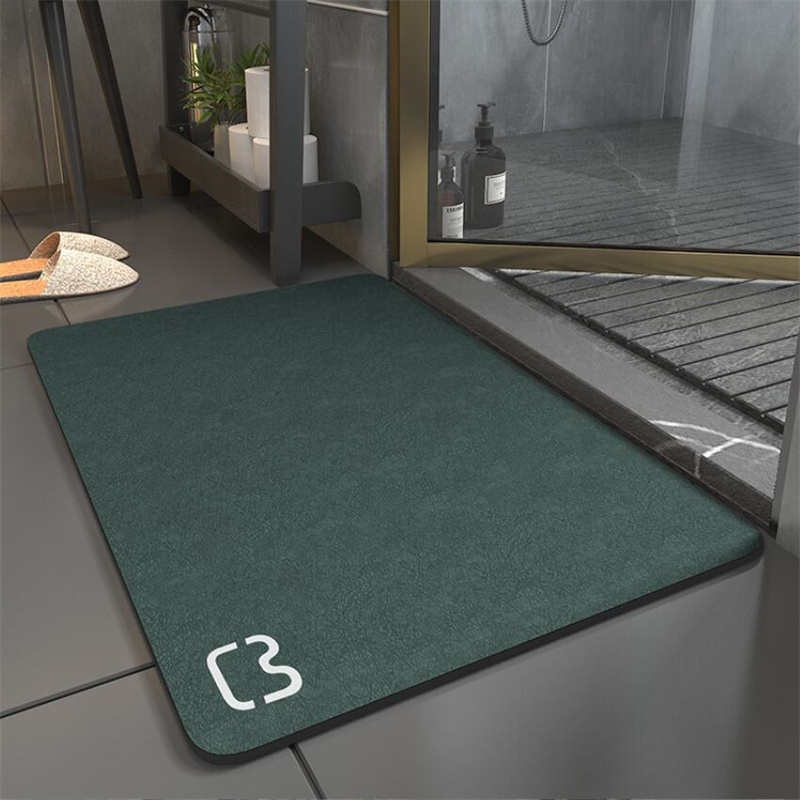
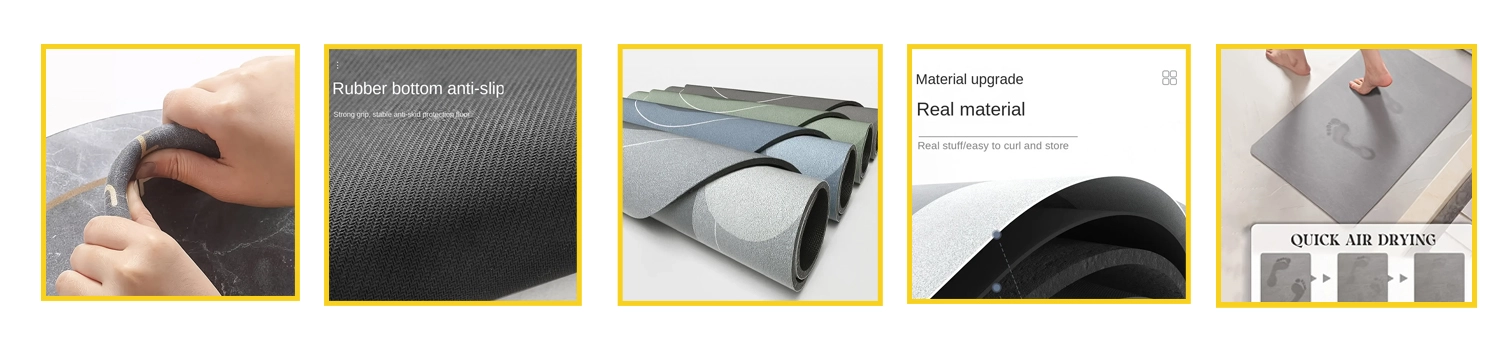
Diatomaceous mud is now used as a surface treatment on some of the most advanced stair step covers. It quickly absorbs water and dries, which is something that standard materials can't do. This naturally porous material quickly drains water, so the floors stay safe even when it's wet outside or when they're being cleaned. With their high-density technological silk fabric structures and rubber backing systems, these mats are very durable even when they're being used all the time and still look good. The 3 mm thickness and 1600g/m² weight indicate a high material density that doesn't easily compress and keeps its shape over long periods of time.
Real-World Applications Across Commercial Sectors
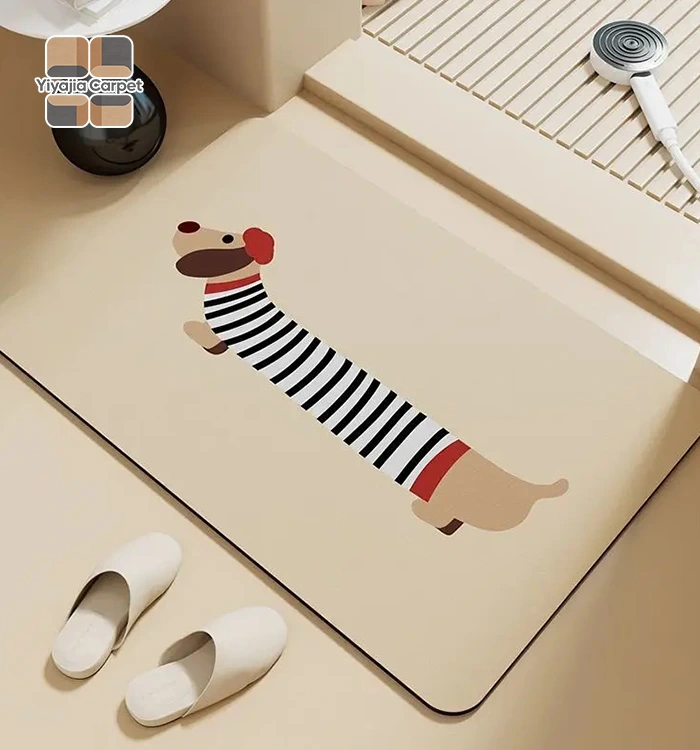
Stair floor mats that are both safe and easy to make are very helpful in places that serve food and drinks. Boutique hotels in cities ask for custom-printed choices that protect hardwood or concrete stairs and strengthen the brand's character. Retail spaces that look like they were built with exposed brick from a long time ago use solid-color mats in neutral tones that go with the architecture instead of clashing with it. When office buildings try to get LEED approval, they choose materials that are good for the environment and meet fire safety standards. These real-world examples show how modern mats can be used for both useful safety and design improvement, which makes them an essential part of modern business building.
How to Choose Stair Floor Mats That Align with Your Interior Design and Operational Needs
Evaluating Environmental Factors and Traffic Patterns
Accurately assessing possible uses for stair floor mats is the first step in making decisions about what to buy. When compared to outdoor access stairs that are exposed to the weather, indoor stairs in corporate lobbies wear out in different ways. Places with a lot of foot traffic, like store entrances or hotel main stairways, need materials that are very resistant to wear and tear and need to be maintained often. Understanding these operating settings keeps products from failing too soon and makes sure they have long-term value. Before hiring suppliers, decision-makers should write down how many people will be using the stairs, how much they will be exposed to water or other contaminants, and what the existing stair substrate is made of.
Material Selection: Balancing Performance and Aesthetics
Today's market has a wide range of different types of materials, each with its own benefits. Carpet mats with rubber backing offer cushioning that lowers joint stress during descent while keeping a warm look that is appropriate for offices that look like homes. Pure rubber choices with rough textures work well in industrial settings where heavy shoes and moving tools create tough conditions. Diatomaceous mud surfaces are a new technology that helps control moisture without limiting the design options. To make sure they make an informed choice that meets the needs of the facility, procurement teams should ask for technical data sheets that list static and dynamic COF values, flammability ratings according to ASTM E648, and chemical compatibility with existing floor finishes.
Adhesion Systems Tailored to Substrate Types
Securing methods have a big effect on both speed and the longevity of the substrate. Pressure-sensitive adhesive strips can be used for permanent installation on stairs that don't need to be rearranged very often. Non-adhesive designs with thermoplastic rubber (TPR) backing rely on surface tension and vacuum grip, which means there are no worries about residue transfer, which is important for protecting expensive hardwood or polished stone. Advanced gel-foam backings are a good middle ground between stability and the ability to move things around. The choice is based on the type of material used for the stairs, how long they are expected to last, and the upkeep access needs that are unique to each building.
Comparison of Popular Stair Floor Mats: Solutions for Diverse B2B Applications
Industry Leaders and Product Differentiation
Well-known companies like 3M use their many years of experience in material science to make mats with special adhesive technologies that don't move when forces are applied from the side and protect delicate floor finishes. Gorilla Grip focuses on rough surfaces that are good for outdoor or industrial settings where dirt and moisture make it more likely that someone will slip. Mohawk uses its history in textile making to make step mats with artist designs that look good in high-end hotel and office spaces. To compare these choices, you need to look at more than just the specs. You also need to look at the warranty terms, the availability of replacement parts, and how quickly the seller responds to requests for special orders. All of these are important for making sure that operations keep running smoothly.
Mats Versus Runners: Installation and Longevity Considerations
Individual stair floor mats let you replace worn sections without having to redo the whole staircase, which saves money on long-term maintenance costs. This modular approach works well for facilities with uneven wear patterns, like those where landing areas get less use than transition steps. Continuous runners create a smooth visual flow that is especially valued in boutique hotels and luxury home renovations. But runner systems need to be measured and put in by a professional to keep them from bunching up or leaving gaps that could cause someone to trip. The choice affects both the initial budget for buying and the costs of replacing it over time, so it's more of a strategic choice than just a matter of taste.
Specialty Applications: Eco-Friendly and Compliance-Driven Options
Buyers who care about the environment are increasingly looking for goods with verified environmental qualifications. OEKO-TEX approved mats make sure that textile parts meet strict standards for not having harmful substances, which helps with indoor air quality issues in HVAC rooms that are blocked off. Companies that want to follow the principles of the circular economy and meet performance standards like recycled rubber content. For senior living facilities and accessible design needs, mats with high visual contrast nosing differentiation help residents who have trouble seeing judge depth, while low-profile constructions allow mobility aids to be used without creating catch points. These specialised goods show how modern manufacturing meets the needs of different stakeholders within the same product category.
Installation, Maintenance, and Safety Best Practices for Stair Floor Mats
Precision Installation Protocols
Accurate measurements are the key to installing mats correctly. Instead of assuming that all treads are the same depth and width, each one should have its own depth and width recorded. This is because construction tolerances and settling cause differences. Mats that are even 10 mm too small leave the edges open to water damage and ground damage before they should. When mats are too big, they bunch up, which makes them more likely to trip and speeds up wear at fold places. Before installation can start, the substrate must be cleaned thoroughly to get rid of dust, oils, and other substances that make adhesion harder. For products with an adhesive back, letting them sit at room temperature for 24 hours before applying them makes sure that the bond forms properly.
Material-Specific Maintenance Regimens
Cleaning diatomaceous mud surfaces is different from cleaning carpets because they need to be done in a gentle way. Regular sweeping gets rid of dust and dirt before they can get stuck in the porous structure, and spot cleaning with damp cloths every so often takes care of specific dirt problems. Harsh chemical cleaners damage the natural material's ability to absorb water, which shortens its useful life. Because good products have an anti-stain treatment on the surface, most spills can be cleaned up without a lot of work. This low maintenance feature is especially appealing to facilities management teams that don't have a lot of staff, because it cuts down on both the cost of labour and the cost of supplies that are used up quickly with special cleaning products.
Integrating Mats Within Comprehensive Safety Strategies
Effective slip prevention for a Stair step mat goes beyond choosing the right product for each job and includes planning for safety in the whole workplace. Place the mats so that they cover the whole tread width and have nosing protection that protects the edge of the stairs that people are most likely to trip over. Adequate lighting keeps your sense of depth from being affected, especially at steps where the mat meets the floor. Inspection protocols that are done regularly—at least every three months—find wear patterns, failures in adhesion, or edge curling that happen before safety incidents. Documenting inspection results and corrective actions shows due care, which is useful for managing liability and making sure insurance rules are followed. This turns regular maintenance into proof of lowering risk.
Procurement Strategies: Buying Stair Floor Mats for Large-Scale Business Applications
Leveraging Volume for Cost Optimization
When you buy in bulk, the cost per unit goes down by a lot, which helps the project budget. Price structures at suppliers are usually based on number limits, with discounts starting at 1000 units, 5000 units, and container loads. To get higher volume brackets, procurement managers should combine needs from different stages of a project or locations of a facility. This method works especially well for real estate developers who want to make sure that all of their residential tower projects have the same specs or for hotel chains that want to keep their brand consistent. Setting a purchase volume not only saves money right away, but also shows commitment, which makes it easier to negotiate for customisation requests and better delivery times.
Customization Capabilities and Brand Integration
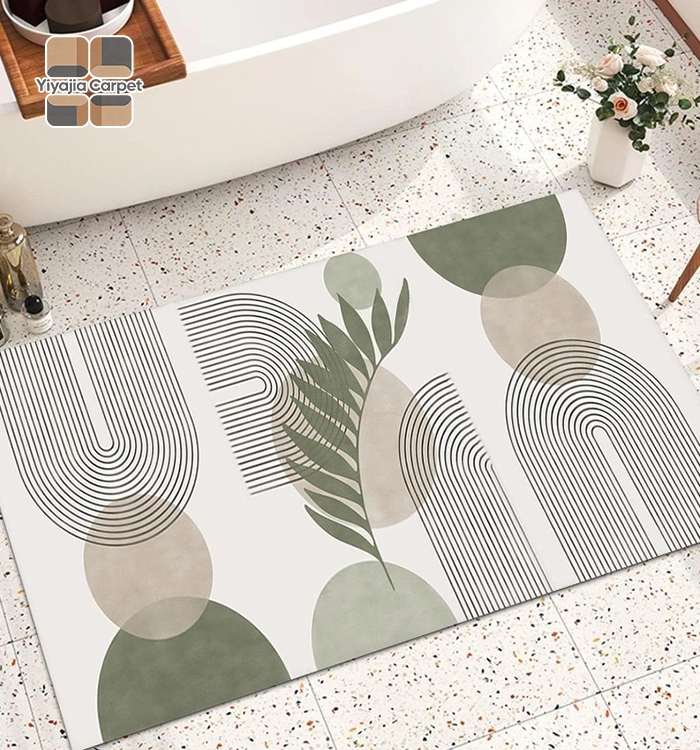
Modern technologies like heat transfer printing and laser cutting make it possible to make a lot of changes without having to pay a lot more. Corporate names, directional signs, or artistic patterns can be printed directly on mat surfaces, turning useful safety items into brand links. Custom sizing works with stair geometries that aren't standard, which is common in retrofits or buildings with unique architecture. With OEM and ODM services, wholesalers can choose what features a product should have, and providers can handle the complicated parts of making the product. During the procurement process, it's important to be clear about the artwork resolution needs, colour matching methods (using Pantone or RAL references), and sample review processes to make sure that the finished goods meet the brand's strict standards.
Supplier Relationship Management for Long-Term Value
Product standards aren't the only thing that makes a reliable supplier relationship useful. Evaluation factors should include more than just price. They should also include strict quality control, stable production capacity, and quick response to customer service issues after the sale. When suppliers offer 100% pre-shipment inspection protocols, the number of defects that cause project delays and replacement costs goes down.
Transparent order scheduling systems let you see what's in the production lines, which lets you plan projects more accurately. Warranty terms that cover flaws in the way the product was made—usually 12 to 24 months—keep things from breaking down too soon. When the market conditions cause material shortages or logistics problems, these relationship factors become differentiators because established customers get priority in allocation and faster problem resolution.
Conclusion
When choosing stair floor mats for modern business uses, you have to think about a lot of things, including how safe they are, how they look, how long they last, and how quickly you can get them. Modern materials, such as diatomaceous mud, are much better at keeping surfaces from slipping and controlling wetness than older materials. Strategic buying methods that use the ability to customise products and build trusting relationships with suppliers save money right away and help businesses run more smoothly in the long term. As building codes change and cohesive materials become more popular in interior design, mats that combine practical protection with good looks become necessary parts of advanced facility management.
FAQ
Q1: Can diatomaceous mud mats withstand heavy commercial traffic?
A: Diatomaceous mud surfaces and high-density technical velvet and rubber backing systems make for very long-lasting flooring that can be used in harsh industrial settings. The 1600g/m² weight grade and three-layer construction keep the edges from tearing and compressing even when people walk on them all the time. Regular maintenance, like vacuuming and wiping down with a damp cloth every so often, keeps things looking good and working well for a long time.
Q2: How do I measure stairs accurately for custom orders?
A: Individually measure and write down the depth and width of each tread, as treads are built differently, so standard size rarely leads to a good fit. If you want to cover the bullnose, include the nosing extension. Write down measurements in millimetres to avoid mistakes when converting them. Reliable providers give measurement guides and may offer verification meetings before production starts. This cuts down on fit problems that cause projects to take longer than planned to finish.
Q3: Do these mats meet commercial fire safety codes?
A: As required by ASTM E648 standards, high-quality products are tested for critical radiant flux to meet the Class 1 fire ratings needed for egress routes in commercial construction. To make it easier for building inspectors to approve bulk orders, certification paperwork should be sent with them. Compliance varies by location, so procurement specifications should include references to relevant local codes and ask for test reports that match during the supplier qualification process.
Q4: What maintenance frequency is recommended?
A: Commercial spaces that get a lot of foot traffic should be vacuumed once a week to get rid of dust and dirt before they become embedded in the materials. Once a month, inspections find wear patterns or sticking problems that need to be fixed. How often deep cleaning happens depends on how often it gets dirty, but it usually happens every three months. This maintenance schedule strikes a good balance between keeping things looking good and saving time, which makes it useful for facilities management teams that are responsible for multiple sites.
Partner with Yiyajia Carpet for Superior Stair Floor Mat Solutions
Yiyajia Carpet offers a wide range of stair floor mats that are made to meet the strict needs of businesses. Our advanced heat transfer technology lets you make any design you can think of, and our precise laser cutting can fit any stair geometry or custom shape need. As an experienced stair floor mats maker, we keep strict quality control with a 100% pre-shipment check. This makes sure that all bulk orders get the same high-quality products. Our export-grade packaging makes the best use of containers to cut down on your shipping costs, and our flexible MOQ structures support projects of all sizes. Our dedication to world quality and safety standards is shown by our CE, OEKO-TEX, and ISO 9001 certifications. Email our team at sale@yyj-carpet.com to talk about your particular needs. We can make samples quickly—within 24 to 48 hours—so you can get a good idea of what you want before you commit to a full order. Our dedicated business liaisons make sure that there is clear communication throughout production and delivery. This helps B2B procurement professionals build the stable supply relationships they need.
References
1. American Society for Testing and Materials (2019). "ASTM D2047: Standard Test Method for Static Coefficient of Friction of Polish-Coated Flooring Surfaces." ASTM International Standards.
2. Chen, L. and Morrison, R. (2021). "Slip Resistance Performance of Textile Floor Coverings in Commercial Environments." Journal of Building Safety, Vol. 15, pp. 234-251.
3. National Floor Safety Institute (2020). "Walkway Surface Testing and Analysis: Best Practices for Commercial Facilities." NFSI Technical Report Series.
4. Thompson, J. (2022). "Material Innovation in Architectural Safety Products: Diatomaceous Earth Applications." Interior Design Technology Quarterly, Issue 8, pp. 67-82.
5. United States Occupational Safety and Health Administration (2018). "Walking-Working Surfaces: Standards and Compliance Guidelines for Commercial Stairs." OSHA Publication 3795.
6. Williams, K. and Patterson, M. (2020). "Lifecycle Cost Analysis of Commercial Flooring Safety Systems." Facilities Management Journal, Vol. 28, No. 4, pp. 112-129.