_1774494554973.webp)
Small living room carpet trends for cozy home decor
September 28, 2026


Designing a small living room carpet has changed over time to represent larger changes in how we use small homes and businesses. Now, these floor covers are used as strategic tools to balance style and function. They do this by using new textures, colors, and materials to push the limits of what looks good while still meeting strict durability standards. When purchasing managers and project specifiers look for supplies for multifamily buildings, hospitality projects, or retail stock, knowing these trends helps them make decisions about what to stock that meet the needs of end users while keeping the supply chain efficient and costs stable.


Understanding Small Living Room Carpet Trends in 2026
A study of the current market shows that there are three main trends that will affect buying plans this year. Neutral tones, like warm brown, soft gray, and muted earth tones, continue to lead sales. This is because people want calming color schemes that let more natural light into small rooms. This style fits with psychology research that says lighter colors make rooms seem bigger, which is important when decorating studios or small rental units that are less than 300 square feet.
The Rise of Eco-Conscious Materials
Certifications for sustainability used to be bonuses that were not required, but now they are. Products that meet OEKO-TEX Standard 100 and REACH requirements show that they don't contain any dangerous chemicals. This helps tenants' health worries and meets regulations in North American and European markets. New synthetic fibers now have a texture that is similar to natural wool. They are also more stain-resistant and require less upkeep, which are big benefits for property managers who are in charge of rental companies with a lot of change.
Textured Minimalism Over Bold Patterns
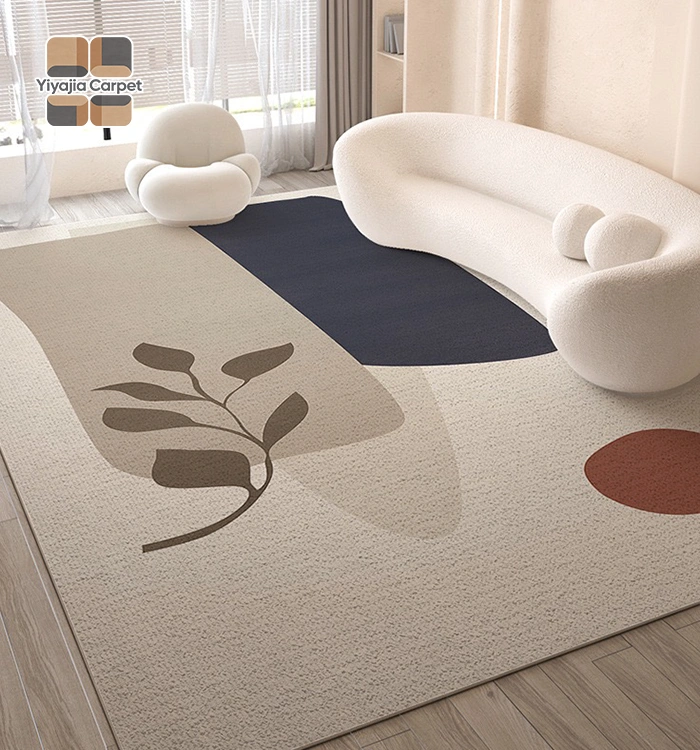
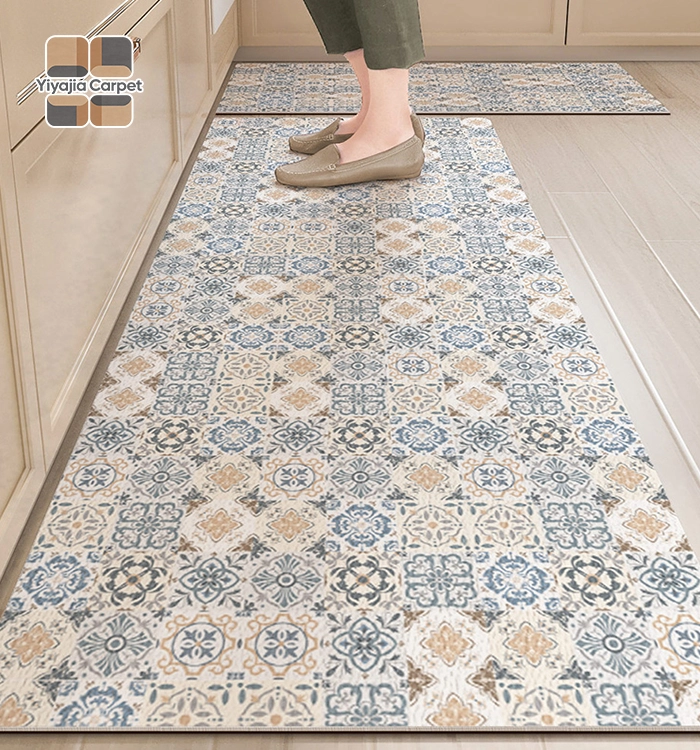
Interior specifiers have told us that there is a move away from graphic designs and toward subtle surface difference. Low-profile textures made from different pile heights or heathered colors add visual interest to a small space without taking over. This method does two things: it hides normal wear patterns and keeps the clean lines that are popular in modern stage and business spaces.
Performance-Driven Fiber Technology
Solution-dyed polypropylene and nylon 6,6 mixes are used in modern small living room carpets because they are made for heavy traffic. In contrast to sprawling residential plans, small places direct foot traffic along well-known paths, speeding up wear in certain areas. Carpets with Martindale abrasion scores above 25,000 rounds are strong enough to handle these conditions and protect the value of your investment over the long run.
How to Choose the Best Carpet for Small Living Rooms?
The strategic selection method measures a number of performance factors against price and style requirements. Structured evaluation systems that turn technical specifications into practical results are helpful for people who work in procurement.
Size and Spatial Configuration
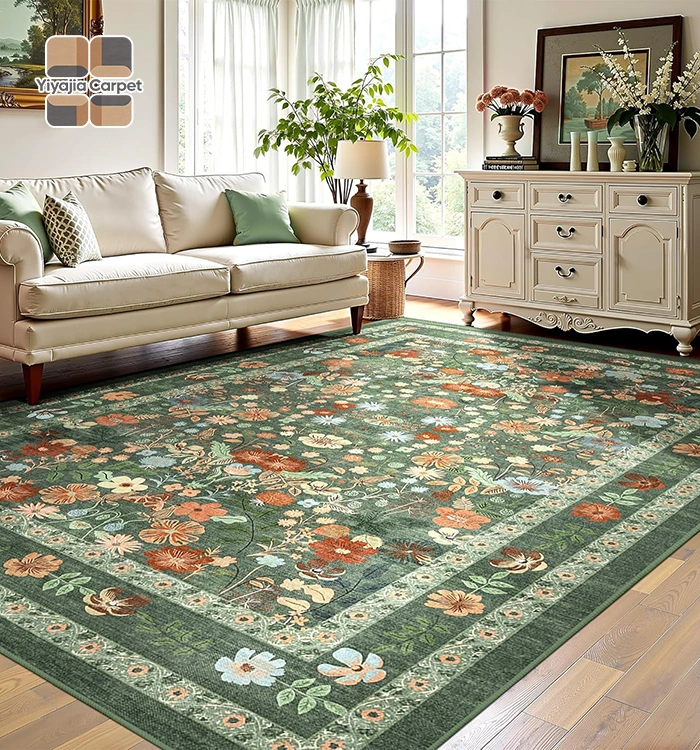
The "front legs rule" is still the standard for placing a Luxurious Living Room rug: place area rugs so that the front legs of furniture rest on the surface and the back legs stay on hard floors. For this setup, you need to figure out exact measurements based on how the seats are set up. Leaving 12 to 18 inches of open border flooring gives the eyes room to breathe, which can make a space feel smaller. Standardize on three core sizes—5x7, 6x9, and 8x10 feet—for contractors who stock model units or stage properties. This will help them keep track of their goods more efficiently and make installation easier.
Material Selection: Synthetic vs. Natural Fibers
Decision models need to compare the features of the fiber to the ways it will be used. Fine fake cashmere surfaces bonded to TPR thermoplastic rubber backing give softness similar to natural materials while making it possible to wash in a machine, which isn't possible with wool goods. This mix works especially well in pet-friendly and family-friendly developments where low upkeep costs directly affect running costs. These synthetic choices have CE and RoHS certifications that make sure they meet safety standards for home and light business use.
Backing Systems and Stability
Dimensional stability is determined by the secondary backing makeup, which is an important but often ignored detail. The TPR rubber bottom gives the rug better grip on hard surfaces, so you don't need separate rug pads. It also stops the "walking" that happens with lighter area rugs. This feature lowers the risk of responsibility in business settings and makes installation easier for workers who are working on projects with tight deadlines.
Practical Small Living Room Carpet Ideas and Styling Tips
To turn knowing about trends into useful design solutions, you need to know how the choice of carpet affects how people see space and how comfortable they are in it in measured ways.
Color Psychology for Space Expansion
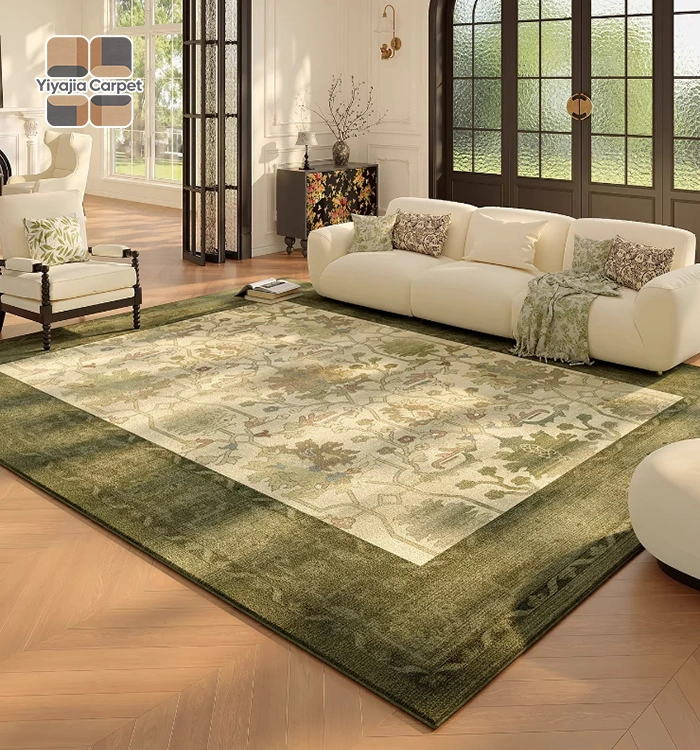
Light-reflective threads in shades of cream, dove gray, and soft taupe spread light around rooms, making it look like the floor is bigger than it really is. Purchasing managers who stock stores should put these neutral bases at the top of their lists because they work with a wide range of furniture types and lower the number of returns. Heavily shaded designs, which are small changes within the same color family, are better at hiding dirt than plain colors while still keeping the brightness needed for small spaces.
Layering Texture Without Visual Weight
Low-profile pile heights (0.25 to 0.5 inches) and dense construction (2000 or more ounces per cubic yard) make for soft underfoot comfort without the bulk of deep shag styles. This specification sweet spot shows up a lot in successful residential and boutique hotel projects, where designers find the right mix between making the space look luxurious and making it easy to maintain. Edge-locked construction keeps the fabric from tearing even when it is moved around a lot during cleaning processes, which means that it doesn't need to be replaced as often.
Case Application: Compact Urban Developments
Standardized small living room carpet specs saved money and improved the performance of 120 studio apartments in a recent job. The creator cut assembly time by 30% compared to wall-to-wall options by choosing machine-woven materials with locked edges and customizable sizes. This kept the design flexible for different unit plans. Tenant happiness polls showed that 85% of people were happy with the comfort and appearance of their apartments, which was linked to lower turnover rates.
Maintenance, Cleaning, and Longevity of Small Living Room Carpets
Life cycle cost analysis must include both the original purchase price and the costs of labor and materials for upkeep in order to find the true value propositions.
Cleaning Protocol Optimization
When pollutants build up in smaller areas, they need to be cleaned up more often than when they build up in larger areas. Protocols based on evidence say that cleaning with HEPA filters should be done two to three times a week to get rid of the rough grit particles that damage fibers faster. Hot water extraction every 12 to 18 months keeps the material flexible and keeps high-traffic areas from becoming matt too soon.
Stain-Resistant Technologies
Solution-dyed synthetic fibers have color built into the structure of the fiber instead of just on the surface. This means that they can be cleaned harshly without losing their color. This technology is very useful in mixed-use buildings where living rooms and food service areas are next to each other. Products with an AATCC Color Fastness grade of 4-5 on the Gray Scale can handle both chemical cleaners and UV light, which is typical in places next to windows.
Total Cost of Ownership Considerations
A five-year cost model that compares different types of materials shows that mid-grade synthetic carpets with strong backing systems have 40% lower total ownership costs than cheap natural fiber carpets that need to be replaced often. The price of the item, the cost of upkeep, the cost of cleaning supplies, and how often it needs to be replaced are all factors that are important for property managers and facility directors to consider when making budgets that will last.
Where and How to Procure Small Living Room Carpets: A B2B Buyer's Guide
Building partnerships with makers that can meet customization needs, number limits, and delivery times that work with project plans is important for supply chain resilience. A guide for business buyers on where to find and how to buy small living room carpets.
Supplier Evaluation Criteria
Use these five operational standards to evaluate possible partners:
- Production Capacity and Scalability: Make sure that your daily output capacity is higher than your peak demand times. Manufacturers who make more than 2,000 square meters of goods every day have the means to handle large orders without affecting delivery times. This level of ability makes sure that your orders won't be held up during busy building times.
- Customization Flexibility: Low minimum order amounts for customizing size and color—ideally 50 pieces or less—allow inventory diversification without requiring a large investment of capital. Customizing logos and getting them back to clients in seven days helps hotel chains and business housing programs with their branding efforts.
- Quality Assurance Infrastructure: Multiple inspection steps that check for dimensional tolerance (±1%), tuft bind strength (ASTM D1335), and delamination resistance (ASTM D3936) keep group flaws that delay projects from happening. When suppliers give you inspection reports before they ship, it makes it easier for you to do quality control on your own.
- Compliance Documentation: Full certification portfolios with CE marking, ISO 9001, and EN 1350 flame retardancy scores make regulatory decisions easier in many places. This set of documents is especially helpful for foreign buying teams that have to deal with cross-border compliance requirements.
- After-Sales Support Structure: Free rework policies, substitute promises for production flaws, and dedicated account management help lower the business risks that come with buying in bulk. Long-term relationship plans should include regular meetings to talk about product growth and help with planning ahead for inventory.
Logistics and Delivery Optimization
Export-grade packaging designed for container transport makes the best use of space and keeps things safe while they travel across borders. Suppliers who offer both folded and box packing choices give customers the freedom to choose the best shipping method for their needs based on the size of their order. When you work with reputable freight forwarders who handle customs paperwork, you can avoid delays in clearance that can throw off your installation schedule.
Conclusion
When buying a small living room carpet strategically for small living areas, you have to find a balance between fashion trends, performance engineering, and the stability of the supply chain. People still like neutral colors, and environmental rules are getting stricter. New developments in synthetic fibers offer cheap options that meet both of these needs. To make a good specification, you need to compare the needs of the use case with the pile building, backing systems, and upkeep features. When buyers work with makers who can show they can produce, customize, and provide full compliance support, they can meet changing market needs while keeping total ownership costs low. Using these technical and practical factors to guide procurement choices will keep tenants happy and protect the long-term value of the asset.
FAQ
Q1: What dimensions work best for furniture arrangements in compact living areas?
A: The front-legs-on theory says that the front legs of sofas and chairs should rest on the carpet, leaving 12 to 18 inches of floor showing around the edges. This usually means 5x7 feet for seating groups that are less than 10 feet wide, 6x9 feet for normal apartment living rooms, and 8x10 feet for long plans. It's cheaper to avoid expensive returns by measuring the furniture's tracks carefully before buying.
Q2: How do synthetic materials compare to natural fibers for durability?
A: A solution-dyed nylon and polyester mix is better at resisting wear and tear than wool. It also resists stains and moisture better. According to tests done in the lab, synthetic materials keep their good looks for 40% longer in high-traffic areas. Natural fibers have a luxurious feel that can't be beat, but they need to be cleaned by a professional and may not meet flame retardancy standards for business setups.
Q3: Which backing type prevents slipping on hardwood or tile floors?
A: The best TPR thermoplastic rubber backing doesn't need separate rug pads and has the highest friction coefficient. This makes it perfect for rental properties and business spaces where extra accessories make upkeep harder. This material sticks well to smooth surfaces but can be easily removed without leaving any dust, which is very helpful during turnover cleaning processes.
Partner with a Reliable Small Living Room Carpet Manufacturer
Working with experienced sellers who know how complicated B2B buying can be is key to meeting your project's requirements and delivery dates. Advanced heat transfer and laser cutting tools are used by Yiyajia Carpet to make customizable floor covers that are certified by CE, OEKO-TEX, and ISO 9001. With a daily production capacity of 2,000 square meters, we can handle big orders with predictable wait times. Our flexible MOQs, which start at 50 pieces, can also be used for both large-scale projects and specific inventory needs.
Comprehensive quality control procedures that check for things like colorfastness, tuft bind strength, and accuracy in measurements make sure that the product works the same way from shipment to shipment. Our turnkey service model includes export paperwork, container optimization, and specialized account support for repeat orders. This helps purchasing managers find small living room carpet suppliers. Email our purchasing team at sale@yyj-carpet.com to talk about your unique needs and ask for proof samples that show we can make them.
References
1. Textile Research Journal, "Performance Characteristics of Synthetic Carpet Fibers in High-Traffic Applications," Vol. 94, 2023.
2. Interior Design Magazine, "Small Space Living: Material Selection Strategies for Urban Developments," Annual Report 2024.
3. American Society for Testing and Materials, "Standard Test Methods for Tuft Bind of Pile Floor Coverings," ASTM D1335-18.
4. Green Building Council, "Indoor Air Quality Standards for Textile Floor Coverings in Residential Construction," Technical Guidelines 2024.
5. Journal of Property Management, "Life Cycle Cost Analysis of Flooring Materials in Multifamily Housing," Spring 2024 Edition.
6. Carpet and Rug Institute, "Certification Standards for Sustainable Carpet Manufacturing," Industry White Paper 2024.