_1774494554973.webp)
Small Living Room Carpet Ideas to Transform Your Space
August 6, 2026


Getting the right small living room carpet is the first thing that you can do to make the room look better. When every inch counts, the carpet you pick impacts how you feel about the space, how cosy it is, and how well it works. When you choose the right patterns, modern small living room carpets solve important problems. For example, they make small rooms look bigger and make floors that last even when a lot of people walk on them. People in buying jobs and people who live in small places can make smart decisions that improve the look and function of things by learning about the properties of materials, how to measure things properly, and design principles.
Understanding the Unique Challenges of Small Living Rooms
Picking a small living room carpet can be tricky because of the problems that come with it. In big rooms, big rugs can easily hold groups of furniture together. But in small rooms, you need to plan out your furniture carefully to keep the room from looking cluttered.
Spatial Constraints and Visual Balance
Design flaws stand out more when there isn't enough floor room. A room that has rugs that are too small or too big makes it look crowded. Rugs that are too big or too small separate the space into different areas. In this business, the "front legs rule" tells us how to act. In this case, the rugs are put down so that the front legs of the furniture rest on them but the back legs don't. This makes the seating look nice without making the floor look too crowded. When you leave 12 to 18 inches of floor showing around the outside walls, you won't feel squished, which can happen in small rooms.
Traffic Concentration and Wear Patterns
People who walk through small living rooms have to go through narrow hallways, which can be predicted to wear out things faster in certain places. Small rooms put a lot of stress on rugs at entryways and furniture changes because people move around a lot more in bigger rooms. We can see from the Martindale test runs that this kind of heavy use needs more abrasion protection. When used a lot in the home for 18 months, carpets that are rated less than 20,000 rounds often start to crush and mat.
Acoustic and Thermal Performance
City apartments and homes are like boxes with hard surfaces that make noise louder. It is more comfortable to live in multi-unit buildings when the carpets like a small living room carpet are good because they lower impact noise transmission (IIC ratings) and soak up reverberation. Energy efficiency is something that procurement teams are thinking about more and more as they try to be green and save money at the same time. Carpeting keeps heat in and saves energy.
How to Choose the Best Carpet Materials and Styles for Small Living Rooms?
What you use for something determines how long it lasts, how often it needs to be fixed, and how it looks in small spaces. People can find things that meet their specific performance needs if they know about the features of fibres.
Synthetic Fibers Versus Natural Materials
Solution-dyed nylon is still the best choice for small areas that get a lot of use because it lasts a long time and doesn't stain easily. This fibre's chemical structure lets it spring back after being squished by furniture weight. This is a useful trait to have when small places don't have a lot of floor space for couches and chairs. Plastics made of polypropylene are less expensive and work well enough for everyday use. However, because they don't spread as much, they may get noticeable marks where they were hit.
Fine faux-cashmere surfaces are smooth and soft, but they are also strong and last a long time. Synthetic fibres today feel like real wool, but they are much cheaper, which makes them a good choice for buying in bulk. The TPR thermoplastic rubber backing on higher-end options sticks to hard floors better than lighter rugs, so they don't "walk" around as much in places where a lot of people walk.
Pile Height Considerations for Compact Spaces
When it comes to small living room carpets, pile heights between 0.25 and 0.5 inches work best. With shorter piles, the lines stay clean, which makes the room look bigger and makes it easier to clean. Even though high-pile shags look good in showrooms, they need to be vacuumed more thoroughly because they trap dust. This is not good for small rooms with bad air quality. Building with dense piles (more than 2000 ounces per cubic yard) makes sure that the ground will last even if a lot of people walk on it. Professional-grade carpets usually have this trait that sets them apart from home carpets. It gives the carpets the strength they need to be used in hotel or apartment block projects.
Sustainability and Environmental Certifications
Corporate buyers care more and more about being environmentally friendly. When carpets meet CE/ROHS standards, they promise to be chemically safe and have low VOC emissions. This is especially important in small rooms where off-gassing levels rise quickly. OEKO-TEX approval makes sure that textiles are safe, so buyers can be sure that installations are safe for babies and can be used right away. These credentials not only meet the requirements of the law, but they also work with corporate social responsibility programs that have an impact on what people in North America, Europe, and emerging markets buy.
Carpet Size, Color, and Design Tips to Maximize Small Living Room Space
Size, colour, and pattern choices made with care have a big effect on how people see and use small rooms.
Proportional Sizing Techniques
That way, you can pick the right small living room carpet size. Carefully measure the carpet against the furniture sizes. A small rug makes "floating furniture" arrangements look jumbled, while a large one takes up valuable visual space. You should be able to join seating areas with carpet that is just the right length. This way, the sofa and main chairs can generally share the floor. Modular tiles let you choose the right small living room carpet for rooms that have odd shapes or patterns that change over time. It's easy to fix broken parts with these methods, and they let you make exact customisations. This lowers the long-term costs of upkeep for property managers who are in charge of more than one unit.
Color Psychology and Light Reflection
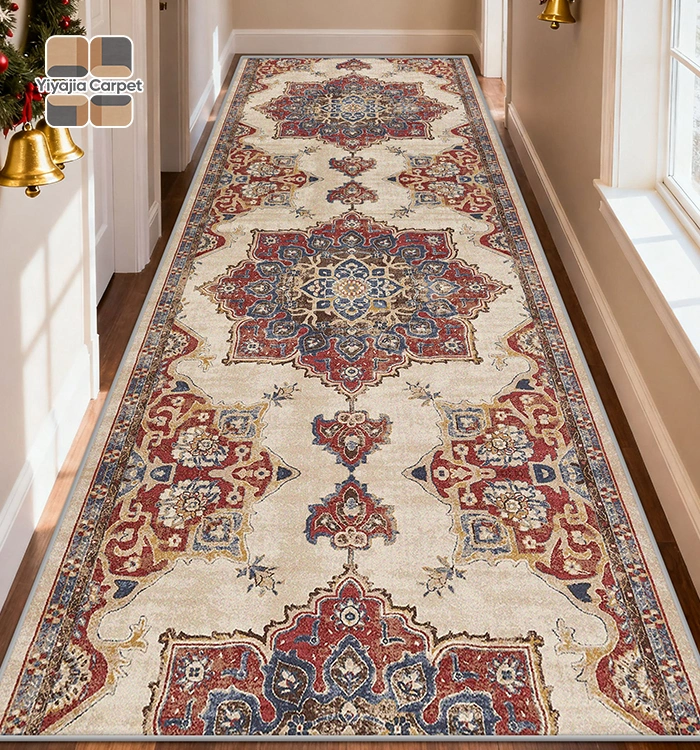
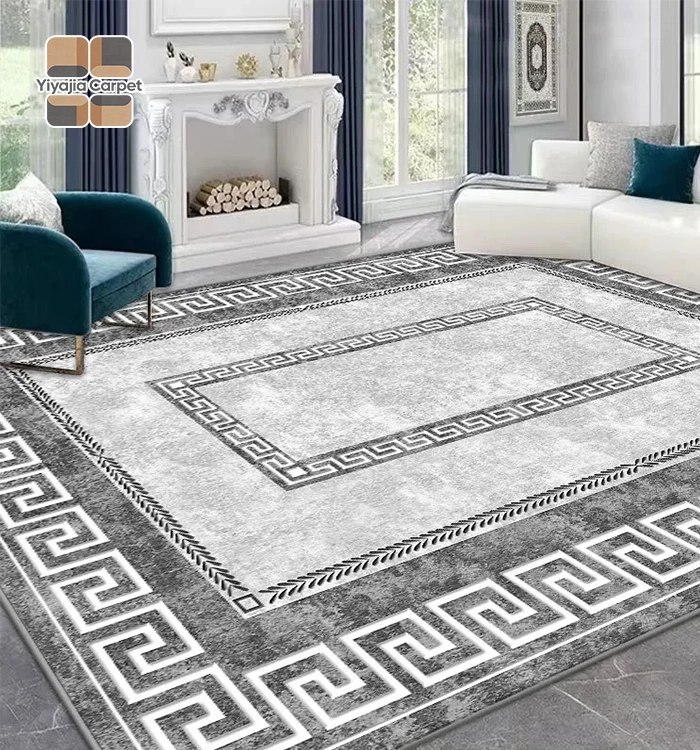
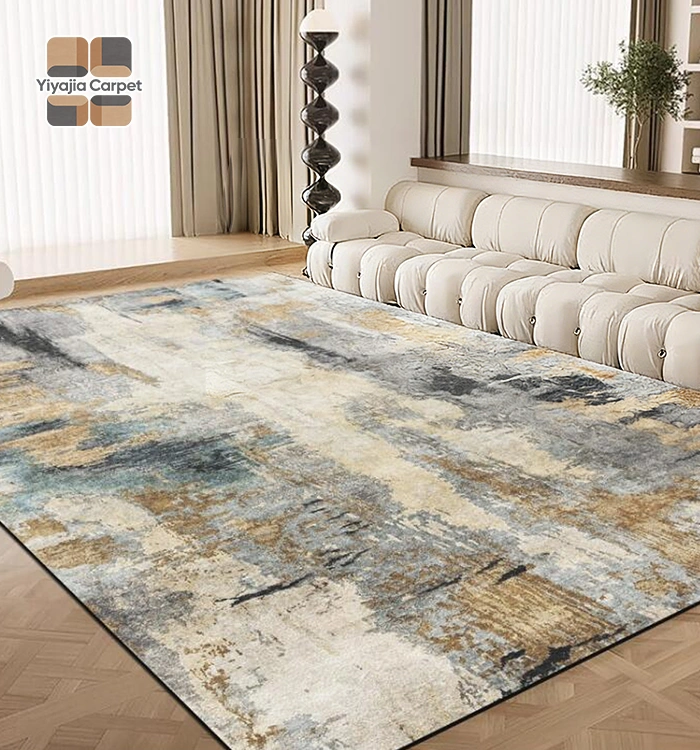
Neutral colours that are lighter, like cream, soft grey, and warm beige, reflect both natural and artificial light, making things look brighter and bigger. If you live on the first floor or in a room that doesn't get a lot of natural light, this optical effect can really help. On the other hand, dark rugs keep out light and make rooms look smaller. However, they are good at hiding dirt in places where a lot of people walk. The best designs are those with soft colours or patterns that look good and are also easy to clean. Small stains can't be seen until they're cleaned by a professional, and these textures keep small rooms from being too loud with their busy geometric designs.
Textural Contrast and Visual Interest
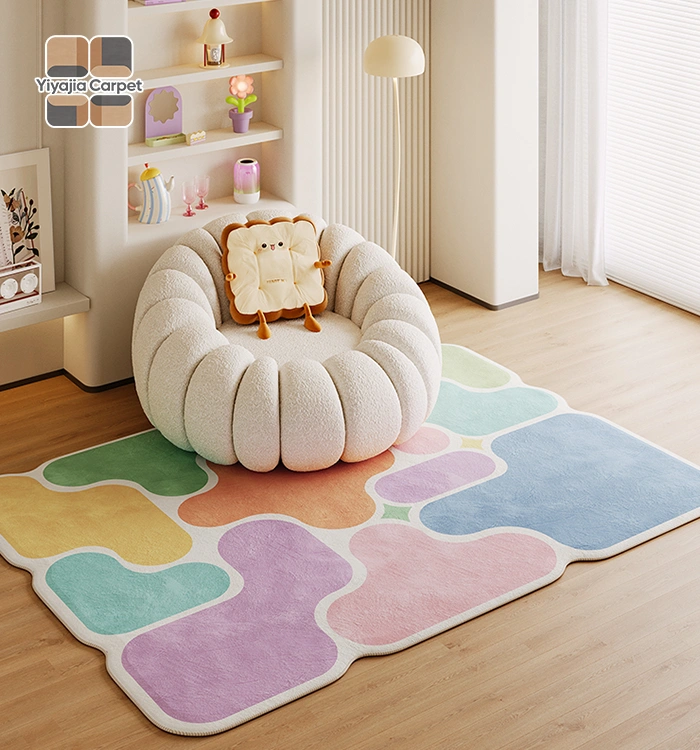
If you choose small living room carpets with different textures, you can add depth without making the room bigger. A soft surface looks great next to a smooth leather couch or piece of wood furniture. The contrast between the two makes the design look more sophisticated. For as long as the carpet is used, machine-woven edge locking keeps the edges smooth and free of fraying. This makes the carpet look professional.
Maintenance and Longevity: Ensuring Your Carpet Stays Pristine
The total cost of ownership is directly related to how long something lasts and how simple it is to keep up. These things are important for bulk buyers who are in charge of more than one property or business.
Stain Resistance and Cleaning Protocols
Modern treatments are used during production to make things less likely to get stained. This makes them last a lot longer. Solution-dyed fibres get their colour from the molecules up, rather than just covering the outside. This makes sure the colour stays the same even after products with bleach are used to clean it. This trait comes in handy in rental properties or places that serve food and drinks and need to get rid of tough stains. When you use a HEPA-filter hoover on your carpet two or three times a week, you keep rough dirt particles from cutting the fibres. Every 12 to 18 months, you should do a deep clean with hot water extraction to get rid of embedded grit and bring back the texture. But it can change how often it goes by depending on the weather and the amount of traffic.
Material Resilience Under Concentrated Use
Latex backings don't last as long as TPR thermoplastic rubber backings for a Luxurious Living Room rug because they lose their shape after being washed a lot of times and when the temperature changes. Buckling and delamination problems that lead to tripping hazards are stopped by this durability. This is a liability issue for people who manage properties and run commercial spaces. ASTM D1335 says that tuft bind strength must be at least 6 pounds of force for loop pile. This shows that the fibres won't pull out. This measure is very important in small rooms because moving furniture around puts stress on the side rugs while you clean and rearrange things.
Long-Term Performance Guarantees
Great companies that make things stand behind them with real performance guarantees that cover how well the item works and how long it looks good. People who buy in bulk are less likely to be disappointed because they know they can get their money back if the goods don't live up to the standards that were set. The supply chain stays going for projects that are still going on and are in more than one step thanks to reliable after-sales service and quick answers to repeat orders.
Smart Procurement Strategies for B2B Buyers: Where and How to Source Small Living Room Carpets?
There is more to effective buying than just knowing what the product is. What it also looks at is how stable the provider is, how much customisation they can offer, and how well they can handle transportation.
Evaluating Manufacturing Capabilities
Suppliers use precise laser cutting and advanced heat transfer printing technologies, which give customers more ways to make their orders unique. Because laser cutting can make shapes and sizes that aren't straight, any pattern or brand can be used with heat transfer. This is useful for builders and designers who have to meet the needs of many clients. A business is big enough to handle large orders without having to wait for long lead times when it can make more than 2000 square meters of goods every day.
International standards for quality control, like ISO 9001, REACH compliance, and EN 1350 flame retardancy, show that the process of making things is well-developed. When you check something from beginning to end, you can find problems before it is sent out. This means that fewer expensive rejects and project delays that throw off schedules happen.
Customization Thresholds and Minimum Order Quantities
For medium-sized projects, a low MOQ of 50 pieces for size and colour customisation is fine. This lets buyers see how well the product does in the market before committing to bigger sales. With a 7-day turnaround time, logo customisation helps hotel chains, real estate developers, and shop merchandisers name their goods in a way that stands out. Procurement teams can pick solutions that are perfect for the project instead of pre-made ones because they can be customised in terms of size, colour, and where the logo goes. Being able to change things is very helpful when working with interior designers whose ideas need exact measurements or colour matches.
Logistics and Delivery Optimization
Professional export-grade bulk wrapping keeps things safe while they're being shipped abroad and gets the most out of containers. Cross-border logistics agreements between suppliers help keep wait times low and provide clear papers that speeds up the customs clearance process. One-stop customs declaration services cut down on the paperwork that needs to be done and the chance of being held at sea, which makes it easier to stick to tight building schedules or plan for seasonal stocking needs. Each type of delivery works best with a certain type of packaging, such as cartons or folding boxes. It's the same for both wholesale warehouses and fulfilment centers that send items directly to customers. Being able to handle and store things in different ways with this kind of flexible packing helps keep costs low.
Conclusion
Before you buy a small living room carpet, you should think about how it will look, how well it will work, and how easy it is to clean. It's helpful for procurement professionals to know how pile density affects things and use customisation options so they can pick solutions that meet both their visual goals and their working needs. Sustainability and openness in the supply chain are becoming more important in the market. This makes it more important to work with makers who offer full certifications, flexible minimum order quantities, and strong support after the sale. Carpeting that makes small rooms look better and lasts a long time can be bought by following these tips. It can be used in homes, businesses, and hotels.
FAQ
Q1: What pile height works best for small living room carpets?
A: A small living room carpet with a low to medium pile height of 0.25 to 0.5 inches will give you the most use. They stick to their thin shapes, which makes the room seem bigger. Low shags are easier to clean and don't take up as much space as high shags. At these heights, dense construction can handle a lot of foot traffic without beginning to wear out too quickly.
Q2: How do I choose carpet colors to make small rooms appear larger?
A: Neutral light colours like soft greys, creams, and warm beige colours make small living rooms look bigger by reflecting light. This colour scheme makes things brighter, which is great in places that don't get a lot of natural light. Heathered patterns are a nice balance between looking good and being easy to clean. They also keep things from looking too busy, like big geometric patterns can.
Q3: Are synthetic carpets suitable for environmentally conscious buyers?
A: Synthetic small living room carpets from today that are approved by CE/ROHS and OEKO-TEX are good for people who care about the earth. Follow these rules to make sure chemicals are safe and VOC emissions are low. They ease concerns about sustainability without making things less effective. Because solution-dyed synthetic fibres last longer, things don't need to be replaced as often, which is better for the land.
Partner with Yiyajia Carpet for Your Small Living Room Carpet Needs
There are reliable small living room carpet choices from Yiyajia Carpet that are made to meet the needs of B2B buyers. Our cutting-edge laser cutting and advanced heat transfer printing technologies let you add anything from company logos to accurate measurements. The minimum order number (MOQ) is as low as 50 pieces. Systems are safe for kids and don't hurt the earth because they have CE/ROHS and OEKO-TEX certifications. We can meet tight project deadlines without lowering the quality of our work because every day we can make up to 2000 square meters of goods and make logos just for you in 7 days. We can deliver on time in North America, Europe, the Middle East, and Southeast Asia because we use export-grade packaging and have long-term logistics partnerships. Send an email to sale@yyj-carpet.com to get sample kits and talk to one of our buying agents about the benefits of buying in bulk for your next project with a reputable small living room carpet maker.
References
1. Carpet and Rug Institute (2021). Residential Carpet Standards and Performance Specifications. Dalton: CRI Technical Publications.
2. Henderson, K. & Morrison, T. (2020). Interior Design for Compact Urban Living: Evidence-Based Spatial Strategies. New York: Architectural Press.
3. Textile Research Journal (2019). "Comparative Analysis of Synthetic Fiber Performance in High-Traffic Residential Applications," Vol. 89, Issue 12, pp. 2456-2471.
4. International Organization for Standardization (2018). ISO 10361: Textile Floor Coverings - Production of Changes in Appearance by Means of Hexapod Tumbler Tester. Geneva: ISO Standards.
5. Miller, J. (2022). Sustainable Procurement in the Built Environment: A Guide for Commercial Buyers. London: Green Building Publications.
6. American Society for Testing and Materials (2020). ASTM D1335: Standard Test Method for Tuft Bind of Pile Yarn Floor Coverings. West Conshohocken: ASTM International.