_1774494554973.webp)
Recommendations for stylish utility door mats that blend with modern decor
June 18, 2026


More and more, people in charge of buying floor covers for businesses, restaurants, and stores want options that can be used for more than one thing. A good utility door mat not only keeps dirt and water off of the floors inside, but it also supports the look of your brand by going with modern design themes. Modern solutions for door mats combine strong engineering with stylish looks to solve practical problems and improve the atmosphere of areas with a lot of foot traffic. When making decisions about what to buy, it's important to think about how well the material works, how easy it is to maintain, and how flexible the design can be. This is especially true when making decisions about long-term costs and building standards.
Understanding Utility Door Mats and Their Role in Modern Decor
Mats for entryways are no longer just simple dirt shields. Today's solutions work well with architecture planning and are aesthetically pleasing as well as functionally useful in business, hospitality, and domestic settings.
Defining Functional Floor Protection Systems
Modern entrance mats are built defenses that are meant to catch dirt, water, and other things that could be harmful before they get inside. Most of the time, these high-performance devices catch between 80% and 90% of the particles that come in within the key transition zone. The technical construction is made up of several layers. The fibers on the top rub against shoes, and the openings below keep the material in place below the level of walking. This two-level design keeps things from getting contaminated again, which lowers the cost of maintaining the inside and makes expensive floor finishes last longer.
Bridging Performance with Visual Appeal
People who work in procurement now know that entrance mats have a direct effect on how people think of a brand. A well-equipped door shows that you are skilled, pay attention to details, and want your visitors to be comfortable. Modern ways of making things allow for complex pattern merging and color customization without lowering the longevity standards. These improvements are used by buildings of all types, from Class A office buildings to small hotels, to make visual stories that start at the entrance. When technical performance and design flexibility come together, purchasing managers can make a single purchase choice that meets both building care needs and interior design goals.
Impact on Operational Efficiency and Safety
In addition to looking nice, carefully placed entryway matting lowers risk for slips and falls, which is a big issue in business settings. Mats that are made to hold water in keep water from moving to hard areas, where it can cause accidents. The effects on finances go beyond insurance rates; facilities see a drop in the number of deep cleanings they need, which means lower labor costs for cleaners and longer periods between carpet replacement rounds. When CFOs and facility heads look at capital expenses, these operational benefits make strong ROI cases that stick with them.
Key Factors to Consider When Selecting Stylish Utility Door Mats
To find the right balance between durability needs and style tastes, you need to carefully look at a lot of different technical and aesthetic factors, such as the choice of a utility door mat. By learning about the qualities of materials, how they should be placed, and the latest design trends, you can make sure that the purchases you make meet both your short-term and long-term needs.
Material Composition and Performance Characteristics
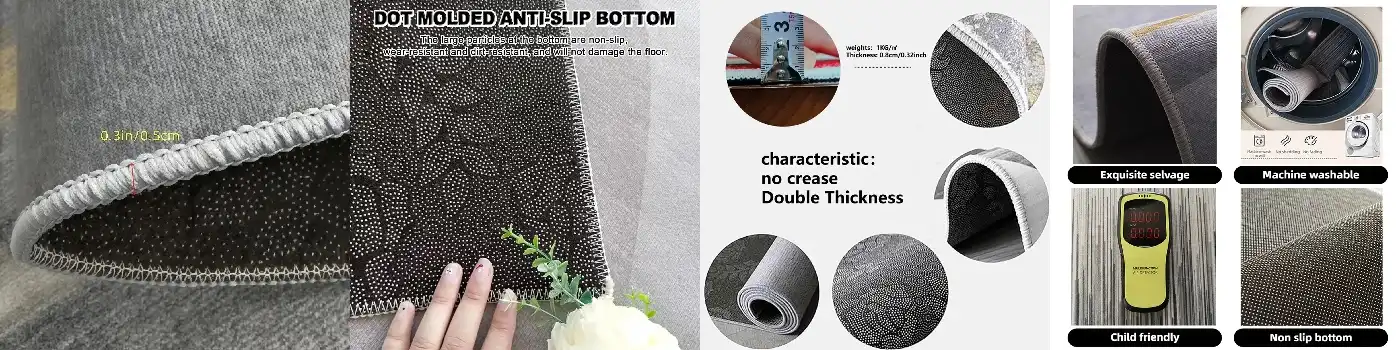
The material engineering of an entrance mat system is what makes it work. The combination of fine fake cashmere surfaces and TPR thermoplastic rubber backing is an example of advanced material science in action. The fibers that are inspired by cashmere feel soft and smooth and absorb sweat better than regular polypropylene builds. TPR backing is very stable in terms of its shape, so edges don't curl and mats don't move around even when the cart is being used a lot or when it's being cleaned a lot. This mix makes commercial-grade fabrics last longer while still having the soft hand-feel of high-end home textiles.
For places that are subject to oil or harsh chemicals, an alternative material solution is nitrile rubber backing. Nitrile is resistant to oil degradation and temperature changes, which is good for industrial buyers looking at loading dock uses or manufacturing facility entries. On the other hand, buyers in the hotel industry look for materials that are quiet underfoot and can handle being washed often. The CE and ROHS approvals show that the product meets international safety standards and meets the rules in the European and North American markets.
Dimensional Planning and Placement Strategy
For dirt containment to work, there needs to be enough coverage distance, which is usually 12 to 15 linear feet within the entry process. The math takes into account the average length of a walk and the number of steps needed to get particles out of shoe tracks. When selecting mat sizes, purchasing managers have to look at the size of the vestibule, the space for door swings, and the ADA requirements. Customization tools that work with non-standard sizes are very important for aftermarket uses where product choices are limited by the architecture.
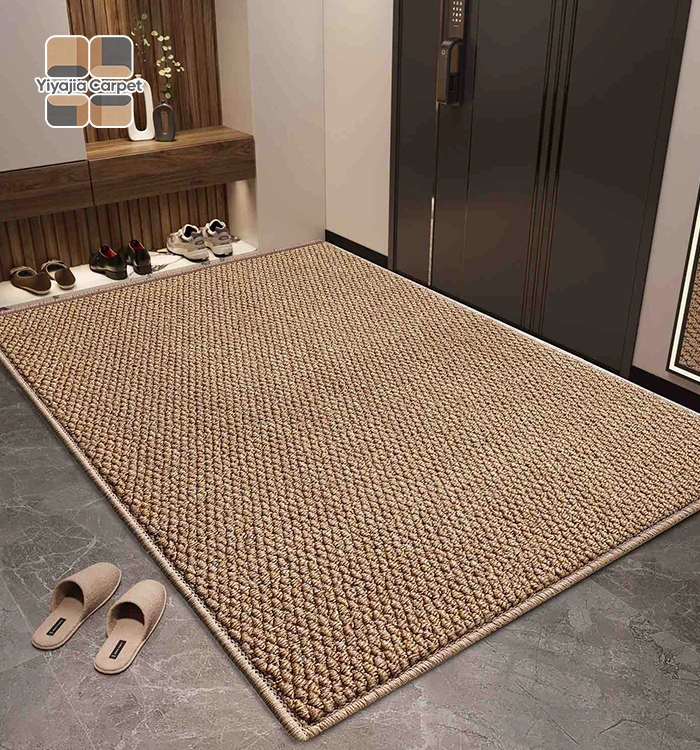
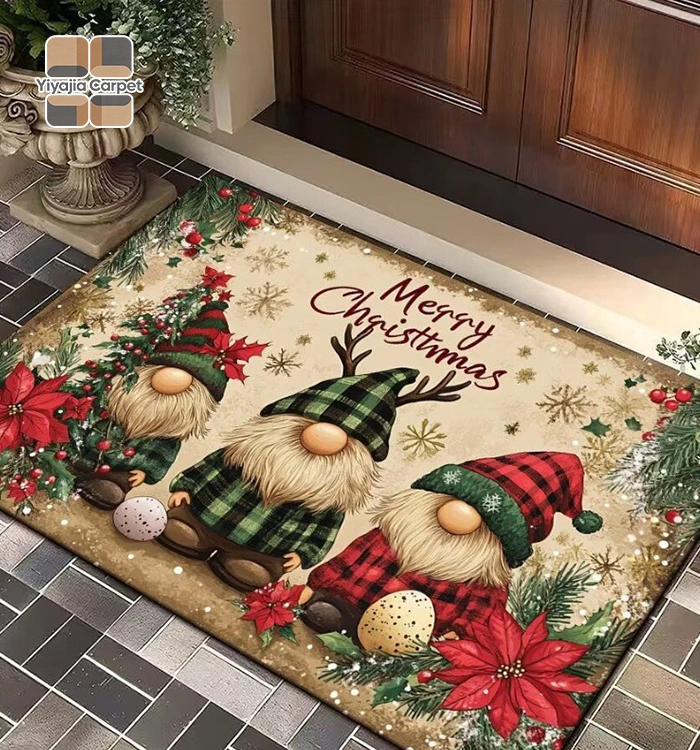
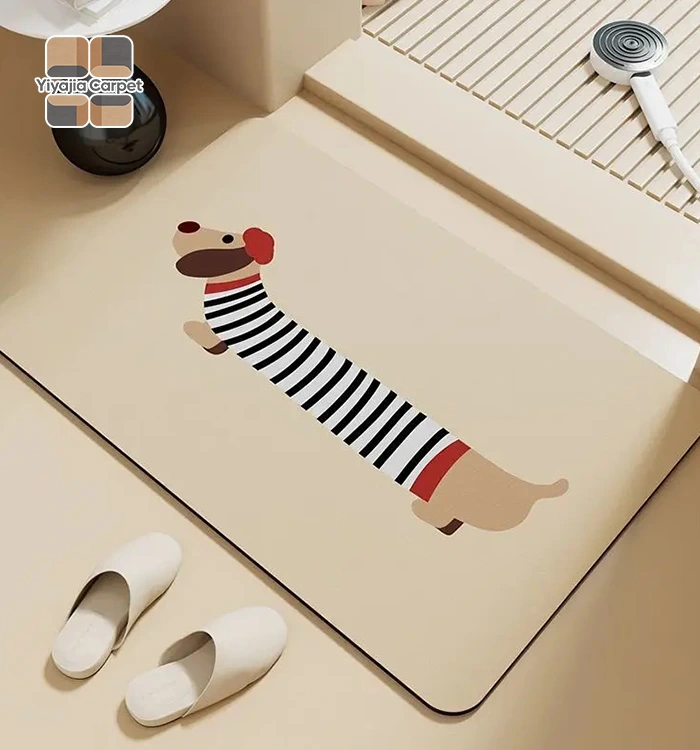
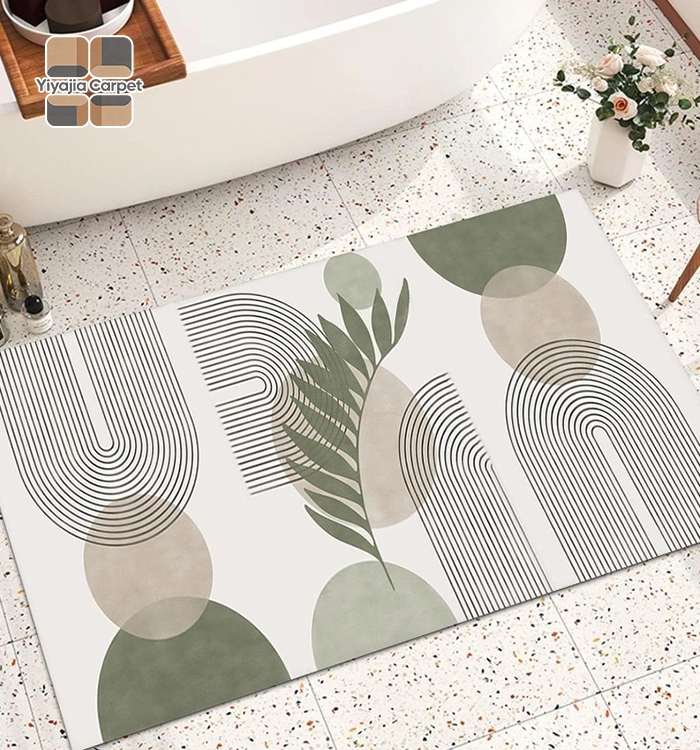
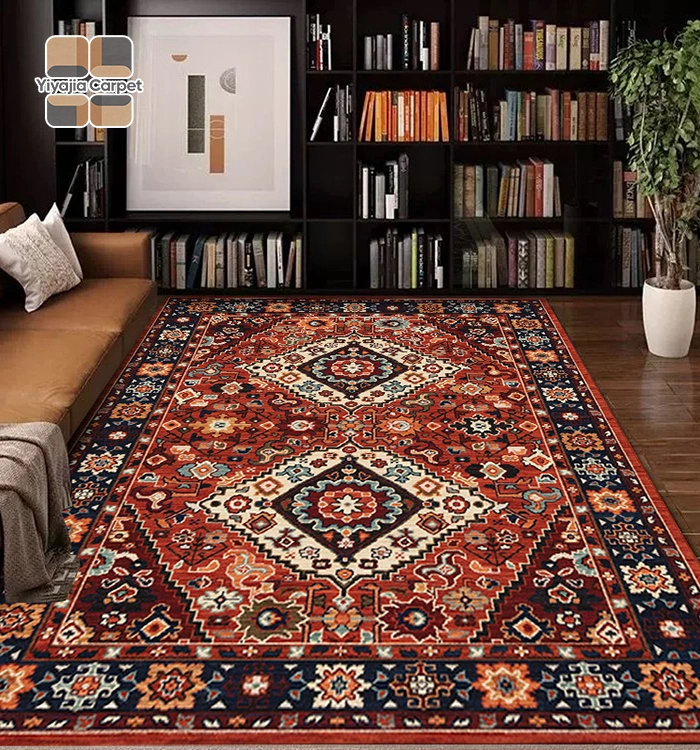
Choosing the right color has an effect on both how it looks and how easy it is to keep up. Darker colors hide dirt that builds up between cleanings, which makes wear less noticeable in areas with a lot of foot traffic. Lighter tones make spaces feel bigger and friendlier, which is good for small shops or professional service areas that can handle regular care. Textured neutrals and modest geometric patterns are popular in modern design. They look good in simple rooms without competing with the architecture around them.
Compliance and Environmental Considerations
Sustainability efforts are having a bigger effect on the requirements for buying things. People want to buy textiles that have been certified by OEKO-TEX, which means they meet strict human-ecological standards and don't contain any harmful chemicals. This is especially important for places that take care of sensitive people, like child care centers, medical offices, and senior living communities, where the choice of materials is based on indoor air quality and chemical sensitivities. Also, goods that follow REACH rules show that they follow European chemical limits, which is important for businesses that do business in more than one country.
Comparing Utility Door Mats with Traditional Doormats for B2B Procurement
When you know the difference between residential-grade doormats and designed business matting systems, you can better predict how well they will work and figure out the total cost of ownership. Knowing these differences helps buying teams avoid the mistakes of not specifying enough, which can cause things to break down early and cost more than planned to repair.
Durability Under Commercial Load Conditions
Traditional doormats are made in a way that makes them best for occasional use in homes, like 20 to 40 times a day. In commercial settings, a utility door mat has to deal with a lot more traffic—often more than 500 entries per day in buildings with average traffic. Machine-woven edge locking and strengthened border construction keep the fabric from unraveling too soon, which happens a lot when home goods are put to use in business settings. If you spend more on commercial-grade specs, the product will last three to five years under tough conditions, while alternatives that aren't properly described usually need to be replaced every six to twelve months.
Cleaning Efficiency and Maintenance Protocols
Business matting systems can handle tough cleaning methods like hot water extraction, pressure washing, and doing business laundry. Vinyl-backed home goods often shrink or peel off after being cleaned several times, but the TPR backing keeps its shape without any of those problems. This durability means lower upkeep staff costs and easier planning for facilities that manage more than one place. When purchasing managers set regular product standards, they can make cleaning procedures the same for all of their properties.
Waterproof Technology and Moisture Management
Modern waterproof designs have sealed edges and backing layers that don't let water through to the floors below. This is very important in places where it freezes and thaws a lot, because salty slush can get through regular mats and damage the flooring and speed up wear. The ability to hold water, which is measured in gallons per square yard, is directly related to how well it protects during storms. By specifying the right amount of retention capacity, you can avoid overflow situations that pose legal risks and take away the mat's defensive function.
Maintenance, Installation, and Longevity of Stylish Utility Door Mats
To get the best return on your investment, you need to pay attention to best practices for installation and ongoing upkeep. These operating factors have a big effect on the total cost of ownership and should be used to choose a seller.
Establishing Effective Cleaning Schedules
Maintenance schedules change depending on how much traffic there is and how exposed the area is to the elements. Daily vacuum extraction is helpful for business doors that get a lot of foot traffic because it gets rid of surface debris before it gets into fiber structures. Deep cleaning once a week with professional extraction tools restores the look and keeps the soil-trapping system working well. Facilities that don't have their own maintenance staff should check their supply links with industrial mat cleaning services that offer pickup, laundering, and delivery programs that make sure there is constant security without having to buy expensive cleaning equipment.
Installation Techniques for Safety and Performance
A proper placement starts with checking the subfloor to make sure it is level and clean so that the mat can make full touch with the surface. Beveled edges that meet ADA standards keep people from tripping and make room for wheelchairs and material handling equipment. In places with a lot of wetness, you might want to put the mat over vapor-permeable underlayments that let the subfloor dry out while keeping the mat stable. The buying instructions should make it clear who is responsible for installation and include steps for site inspection to find any possible connection problems before the product is delivered.
Evaluating Supplier Warranties and Quality Guarantees
Commercial-grade goods from reputable brands come with performance guarantees that cover specific types of failure, such as premature crushing, backing separation, or faster fading. If goods don't meet the listed specs when used normally, these guarantees give you a way to get your money back. When evaluating bids, procurement managers should ask for specific warranty wording.
They should pay special attention to exclusions, needed maintenance paperwork, and how claims are handled. For example, a home entrance foot mat that fails to resist premature wear under normal use would be covered by such a guarantee. Suppliers who offer free repair or replacement for quality problems, which includes covering all transportation costs, show that they are confident in their manufacturing standards and want to make sure their customers are happy.
Where and How to Procure Stylish Utility Door Mats for Business Needs
To do strategic buying, you need to know about the different ways you can buy things, how you can customize them, and how to judge a seller. These things have a direct effect on prices, lead times, and the strength of the relationship over time.
Evaluating Wholesale and Direct Manufacturer Relationships
Direct relationships with manufacturers get rid of the markup that comes from marketing. This creates price benefits that are especially useful for deployments across multiple sites or repeat purchases. Suppliers whose daily production abilities are at least 2,000 square meters show that they have the means to handle growing demand without having to wait longer for supplies.
Pay close attention to the minimum order numbers (MOQs). Suppliers that offer MOQs as low as 50 pieces for size and color customization make it possible to meet specific needs without having to keep too much inventory on hand. Customizing logos and getting them back to you in seven days helps with branding and company identity programs across networks of spread facilities.
Customization Capabilities for Brand Differentiation
Modern production techniques, such as heat transfer printing and precise laser cutting, make design options almost limitless. Traditional dyeing methods can't handle images with picture quality, names with a lot of moving parts, or color changes that look like gradients. Heat transfer processes can. Laser cutting can handle irregular forms and the close tolerances on dimensions needed for building integration in tough installation settings. With these features, useful floor protection can be turned into branded interactions that support company messages from the moment people enter a building.
Logistical Considerations for International Procurement
When dealing with customs paperwork, harmonized tariff classifications, and country-specific legal requirements, it is very helpful to have suppliers who have experience with foreign business. Professional export-grade packing that is designed for container loading keeps items from getting damaged in transport and maximizes cubic efficiency to lower the cost of freight per unit.
Freight forwarders with whom you've done business before can guarantee that both full container loads and less-than-container packages will arrive at their destinations on time. Having dedicated business liaisons who know what the end market needs makes it easier to place repeat orders and keep everyone informed about production plans, which is very important for keeping ongoing procurement relationships going.
Conclusion
To choose entrance mats that meet both useful and design needs, you have to think about a lot of different technical, aesthetic, and purchasing factors, including the selection of a utility door mat. Modern production techniques allow goods to perform at a business level while also adding to or taking away from modern interiors. When purchasing managers know about the qualities of materials, how to maintain them, and what their suppliers can do, they can put their companies in the best situation to get the most value through lower costs, longer product life, and better brand presentation. Today's market brings together excellent engineering and design freedom, which gets rid of the need to choose between performance and look in the past.
FAQ
What distinguishes commercial-grade matting from residential products?
Commercial standards deal with much higher traffic loads by using stronger building methods, better backing materials, and fiber systems that are designed to not break easily. It is possible to clean these goods very well, and they keep their shape even in harsh situations that quickly wear down residential options. Most of the time, the spending bonus leads to three to five times longer service life.
How do customization options affect lead times?
When the minimum order quantity is met, standard color and size changes usually ship within the same production wait times as stock items. Depending on how much work needs to be done to prepare the artwork, adding a logo or changing a complex pattern may take longer than expected. Suppliers who can do samples in 24 to 48 hours let you check the design before committing to full production runs.
What certifications matter most for international procurement?
CE marking meets the standards for entering the European Union market. OEKO-TEX approval takes into account environmental and safety worries about textiles that are becoming more important in all markets. Getting registered with ISO 9001 shows that your quality management system is mature, and getting registered with REACH shows that you follow European chemistry rules. All of these licenses lower the legal risk of doing business across borders.
Partner with Yiyajia Carpet for Your Utility Door Mat Requirements
In terms of business rugs, Yiyajia Carpet is at the cutting edge of new technology. They use advanced heat transfer technology and precise laser cutting to create unique solutions that meet the strictest requirements. Our industrial infrastructure, which supports a daily production capacity of 2000 square meters, makes sure that we can quickly fill both original orders and ongoing replenishment needs. You can be sure that every utility door mat for sale meets international safety and environmental standards because they are all subject to strict quality testing processes and CE/ROHS certifications.
When buying managers have to meet tight delivery dates while also meeting high quality standards, our team knows exactly what they're going through. We address these issues by offering variable MOQs starting at just 50 pieces for customizing size and color, which makes it possible to meet specific needs in an affordable way. Our dedicated business liaisons make sure that repeat orders are handled in the same way, and our well-established logistics network guarantees safe foreign shipping. Get in touch with our team at sale@yyj-carpet.com to talk about your unique needs and find out how our experience as a top maker of utility door mats can turn a complicated procurement process into an easy relationship.
References
1. Johnson, M. & Williams, R. (2022). "Commercial Flooring Systems: Engineering and Maintenance Best Practices." Facilities Management Quarterly, 38(4), 112-128.
2. National Floor Safety Institute. (2023). "Walkway Matting Systems: Performance Standards and Liability Reduction." NFSI Technical Report Series, Volume 17.
3. Thompson, A. (2021). "Sustainable Materials in Commercial Interior Design: Environmental Certifications and Procurement Guidelines." Green Building Council Journal, 29(2), 45-61.
4. Peterson, L. & Chang, K. (2023). "Total Cost of Ownership Analysis for Commercial Entry Systems." Procurement Management Review, 41(3), 78-94.
5. Anderson, S. (2022). "ADA Compliance in Commercial Floor Transitions: Design and Installation Standards." Architectural Access Digest, 15(1), 23-37.
6. Martinez, D. & Cooper, E. (2023). "International Trade Considerations for Building Materials Procurement." Global Supply Chain Quarterly, 34(2), 156-171.