_1774494554973.webp)
Machine-Washable vs Traditional: Which Is the Best Hotel Carpet?
September 9, 2026


When sourcing carpeting for hotel projects, procurement professionals face a strategic question: should you invest in machine-washable or traditional carpeting? The best hotel carpet choice depends on your operational priorities—durability, maintenance efficiency, cost structure, and guest experience. Machine-washable options excel in hygiene-focused environments where quick turnaround matters, while traditional carpets deliver unmatched aesthetic depth and longevity in high-end settings. Understanding the technical distinctions between these systems enables you to align flooring investments with your brand positioning and operational workflow.
Understanding Hotel Carpet Types: Machine-Washable vs Traditional
Hotel flooring is no longer just for looks; it's now an important part of how well the hotel runs and affects things like customer happiness, maintenance costs, and how people see the brand. Purchasing teams can better match goods to project needs when they know the structural differences between standard systems and ones that can be washed in a machine.
Material Composition and Construction
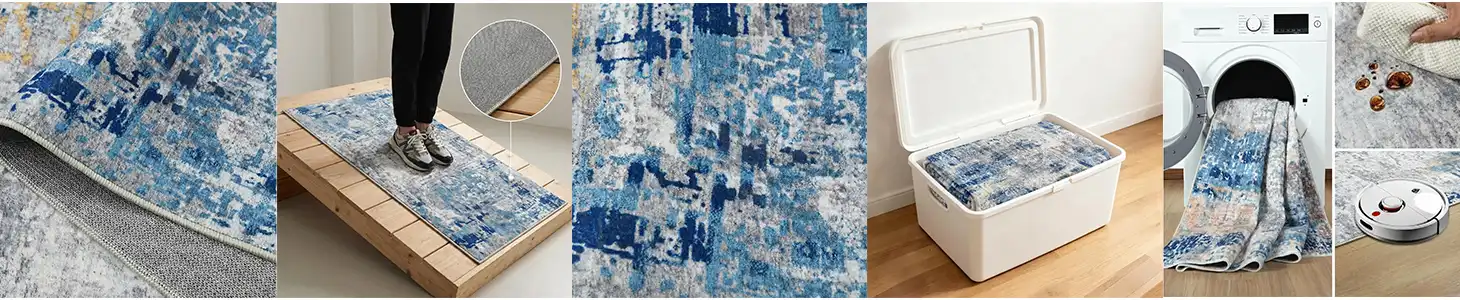
Carpets that can be washed in a machine are made with synthetic fibers that are made to last through industrial washing cycles without shrinking or losing their color. The low-pile construction and thermoplastic rubber (TPR) backing of these items make them stable even after being washed many times. The fibers, which are usually polypropylene or carefully treated polyester, don't soak up water and dry quickly, which makes them useful for places that need to be deep cleaned often.
Standard hotel carpets are made of nylon 6.6, wool blends, or solution-dyed nylon (SDN). The Axminster and Wilton weaving styles make complex patterns that stay in place better than other methods. The backing methods use bitumen or synthetic jute composites that lock fibers in place so they don't come apart when moving bags. You can't wash these carpets in a machine; they need to be professionally extracted cleaned or encapsulated to keep their look.
Practical Applications Across Hotel Environments
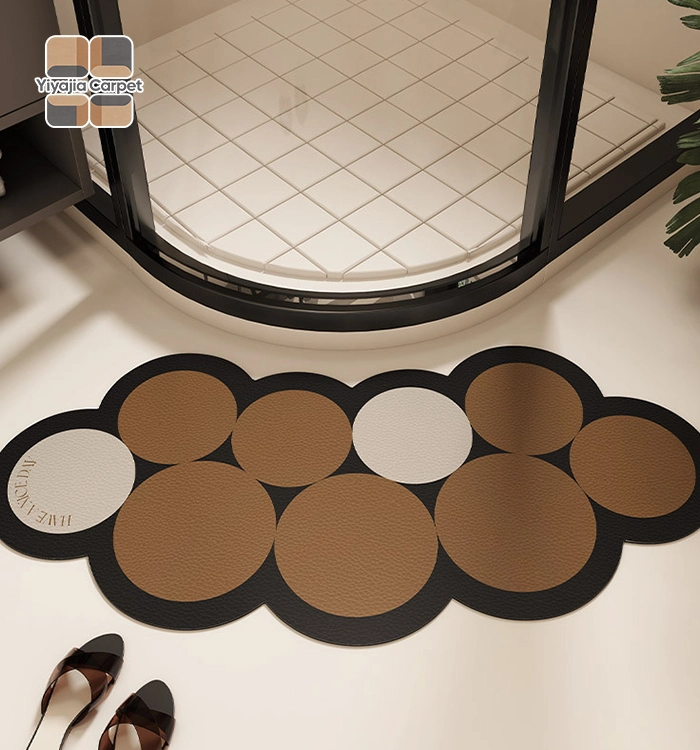
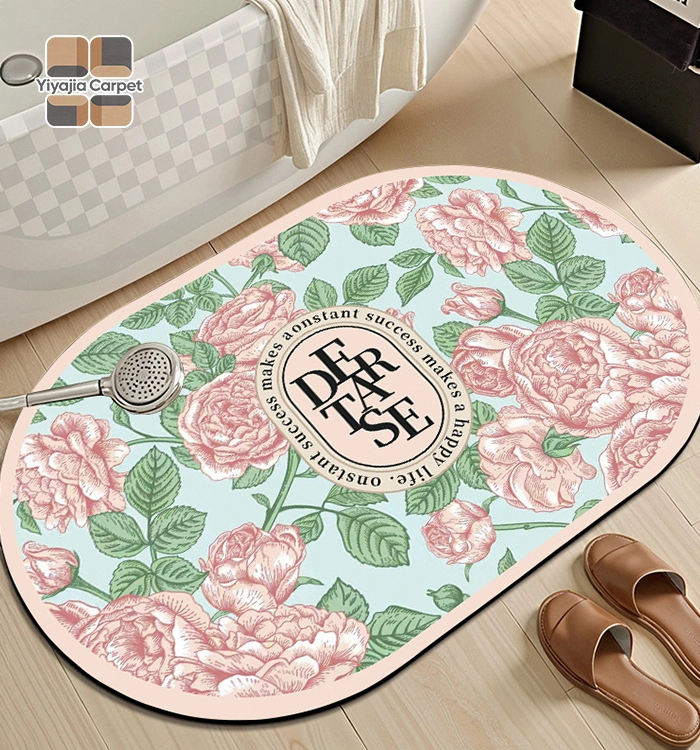
Carpets that can be washed in a machine can be used on bathroom anti-slip mats, welcome mats, and other places where food or bodily fluids are often spilled. Because they can be completely cleaned, they follow strict cleanliness rules in hospitality areas close to healthcare facilities.
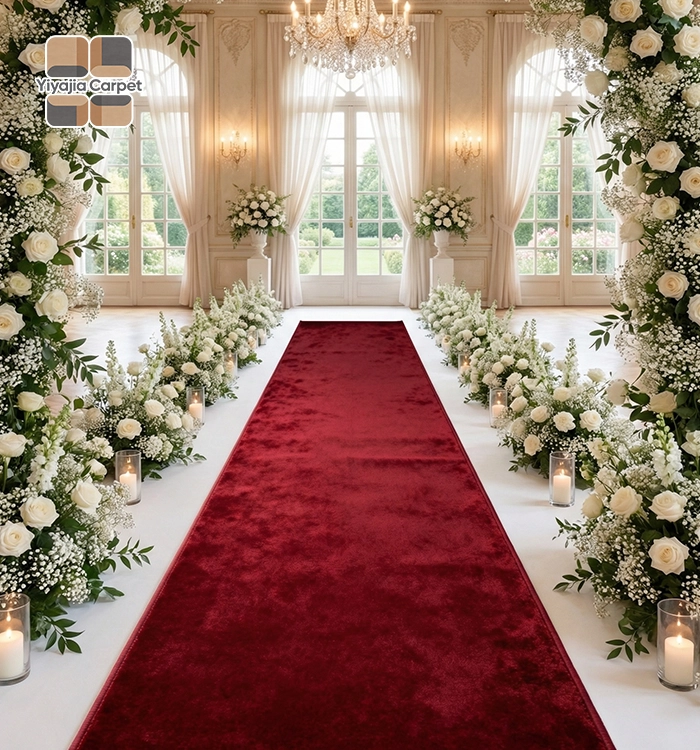
In places where looks and sound matter, like guest rooms, hallways, ballrooms, and lobbies, traditional carpets are the norm. High-density constructions (face weight of 40 ounces or more) can handle heavy foot traffic and rolling bags while keeping the pattern clarity that hides dirt between cleaning processes. According to a study released in Hospitality Design in 2023, 78% of high-end hotel companies still prefer traditional carpeting as their flooring because it makes the rooms feel more luxurious and reduces noise.
Key Performance Dimensions: Durability, Maintenance, and Cost
Buying decisions are based on three interconnected factors that determine the total cost of ownership: how long the carpet lasts, how much work it takes to maintain, and how much money is spent over the lifecycle of the product.
Durability in High-Traffic Zones
Traditional Hotel room carpet grades made with solution-dyed nylon and a high pile density (7x8 to 10x10 rows per inch) are very durable. When used as directed, these items keep looks better than 3.5 on the Hexapod Tumble Test scale for seven to ten years in public areas. Wool-nylon blends (80/20 composition) naturally fight fire and wear, so rugs don't get "ugly out" before they're actually worn out. Alternatives that can be washed in a machine usually have lighter construction and lower pile weights. Even though you can wash and move individual carpet pieces to make them last longer, the materials may wear out faster if they are constantly being walked on. When full replacements happen more often, like when named franchise properties change the decor every three to five years, these goods really shine.
Maintenance Requirements and Operational Impact
Carpets that can be washed in a machine make cleaning the house a lot easier. Within hours, staff can take out dirty mats, wash them in commercial laundry equipment, and put them back down. This method gets rid of the drying time needed for extraction cleaning and lowers the cost of labor needed to run specialized equipment. Hotels that put a lot of emphasis on infection control like being able to clean at high temperatures.
Deep cleaning traditional rugs with hot water extraction or encapsulation systems needs to be done on a regular basis. To cause as little trouble as possible, housekeeping teams have to plan their work around when guests are staying. Depending on temperature and wind, drying times can last anywhere from 12 to 24 hours. But regular care, like vacuuming every day with CRI-certified tools, makes the time between professional cleanings longer. Journal of Hospitality Operations says that well-kept traditional carpeting only needs to be deep cleaned every three months in guest rooms and once a month in public areas.
Total Cost Analysis: Upfront Investment and Ongoing Expenses
Prices at first purchase vary a lot. Traditional hotel carpets with an Axminster construction and custom pattern matching cost between $30 and $90 per square yard to install, depending on the type of fibers used and the density of the pile. Options that can be washed in a machine usually cost $15 to $40 per square yard, which is a good deal right away.
Lifecycle cost estimates show that different value offers are available. It costs more to clean traditional rugs each time ($0.30 to $0.50 per square foot for vacuum cleaning), but they need to be cleaned less often. Products that can be washed in a machine save money on individual cleaning costs, but they may need to be replaced more often, and the energy costs of industrial washing add up. When projects aim for ten-year renewal cycles, procurement teams that are in charge of more than 200 rooms often find that traditional flooring has lower yearly costs. On the other hand, boutique properties that focus on quick design updates may benefit from the adaptability of machine-washable systems.
Design and Eco-Friendly Considerations for Modern Hotels
Guest experience increasingly intertwines with environmental responsibility, pushing buying choices beyond purely functional criteria into esthetic and sustainable aspects.
Contemporary Design Integration
These days, organic textures, biophilic color palettes (earth tones, sage greens, warm grays), and geometric patterns that help people find their way without taking up too much visual space are popular in hospitality design for the best hotel carpet. Custom dyeing and intricate pattern weaving in traditional carpets make them suitable for these tastes. Modular carpet tile systems from companies like Interface and Tarkett let you put together creative pieces that mix different colors and textures in the same area.
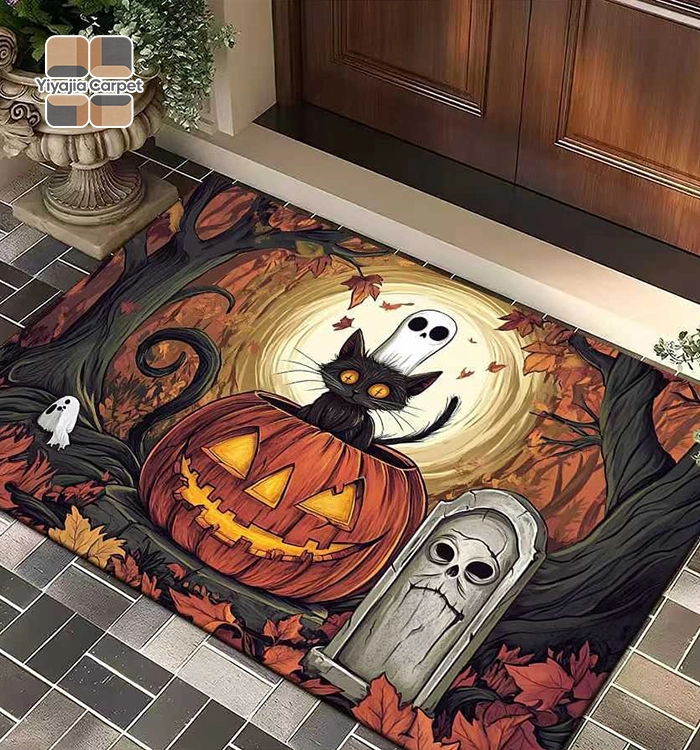
In the past, machine-washable rugs didn't come in a lot of different styles, but new technologies have made that possible. Fine faux cashmere surfaces now give guests the feeling of luxury they're used to, and heat transfer printing lets you add your own logo and match colors to your brand. This ability to customize offers strategic benefits for properties that need to update their branding or decorations on a regular basis, like during the holiday season.
Environmental Certifications and Sustainable Sourcing
Demand for third-party verified environmental qualities is driven by companies' promises to social duty. OEKO-TEX Standard 100 (which guaranties the absence of harmful chemicals), CE marking (which means European safety conformity), and EN 13501 flame retardancy ratings are some of the most important certifications. Solution-dyed nylon carpets are considered sustainable because the color is added during fiber extrusion instead of using water-intensive dyeing methods. This lowers the carpet's environmental impact by about 60%, according to data from the Sustainable Furnishings Council.
Machine-washable items help reach environmental goals by stretching their useful life through laundering instead of throwing them away too soon. But procurement teams should carefully look at backing materials—TPR thermoplastic rubber is better at being recycled than PVC alternatives. More and more traditional rugs are made with recycled materials and take part in take-back programs where companies get old goods back so they can be recycled.
Leading sellers now give Environmental Product Declarations (EPDs) that show how much carbon their products use, how much water they use, and where their materials come from. These papers let people who work in buying compare the environmental performance of different types of products in a fair way. Properties that want to get LEED certification or similar green building standards should look for suppliers who offer full documentation packages that include VOC emissions testing (aiming for CRI Green Label Plus standards) and material health disclosures that meet Living Building Challenge requirements.
Procurement and Supplier Insights: How to Choose and Where to Buy?
To choose the best hotel carpet supplier, you need to use structured evaluation criteria that balance how well the products work with how well the service works and how much risk is reduced.
Decision Framework for Supplier Selection
Systematic screening methods are helpful for people who work in procurement. Take a look at these rating factors:
- Product Range Completeness: Can the seller offer options that work well in public areas, hallways, and guest rooms? Single-source procurement makes sure that colors are consistent and makes logistics easier for projects that span more than one zone.
- Customization Options: Hotel names need image integration, custom color matching to VI (Visual Identity) systems, and sometimes the creation of custom patterns. If a supplier offers OEM services with a reasonable minimum order quantity (MOQ of 50 pieces for custom size and color), it makes it possible to start chain-wide rollouts with pilot properties.
- Quality Assurance Systems: Ask for proof of ISO 9001 certification that shows written quality management systems. Check the test results for tuft bind strength (ASTM D1335; aiming for >6.0 lbs force), delamination resistance (ASTM D3936), and colorfastness to light (AATCC 16, Grade 4+ at the very least). These technology requirements stop performance problems that slow down operations and hurt the brand's image.
- Production Capacity and Lead Times: Tough production schedules are needed for big hotel openings or renovations. When suppliers say they can make 2,000 square meters of goods every day, they can meet tight deadlines, especially if they offer 24-48 hour samples and seven-day shipping for custom orders. Make sure there is backup capacity to handle multiple projects at once without breaking delivery promises.
- Compliance Documentation: Full certification packages are needed for international projects. Check that providers meet the REACH standards for European markets, are registered with CE, have fire safety ratings (EN 13501 or similar), and meet any other requirements that are specific to the area. When customs paperwork isn't complete, shipments are held up and fines are imposed, which cuts into project budgets.
Logistics and After-Sales Support
Logistics for buying things in bulk can be tricky. Professional suppliers offer the best ways to load containers so that you can make the most of the space you have and keep your goods safe from damage and moisture while they're in transit. Ask them how much experience they have with LCL (Less than Container Load) packages for smaller orders and if they know any freight forwarders who can help you with the complicated customs process.
Support after the sale is what sets good providers apart from average ones. Look for guarantee terms that cover problems with the way the product was made, as well as clear rules on how to fix or replace it, including who pays for the shipping costs. Dedicated account management for long-term relationships makes sure that repeat orders are scheduled first and that customers are informed about changes to products or ways to make the process better. To keep operations running smoothly throughout a product's lifecycle, suppliers should provide installation instructions, documentation of maintenance protocols, and help with troubleshooting.
Practical Case Studies and User Experiences
Real-life examples of how different types of carpet are used make it easier to understand how they solve different operating problems and meet different strategy goals.
Case Study: Regional Hotel Chain Adopts Machine-Washable Solutions
A mid-range hotel chain that operates all over Southeast Asia had ongoing hygiene problems in humid coastal areas where traditional carpets kept water and smelled bad between cleanings. Management looked at bath mats and entrance rugs that could be washed in a machine and had TPR backing and quick-dry synthetic fibers, rather than relying solely on the best hotel carpet solutions for high-traffic areas.
The effects of the implementation were better than expected. The cleaning staff combined the process of washing carpets with the process of washing linens, which allowed full sanitization rounds to be completed in four hours. Over six months, guest happiness scores for how clean their rooms were went up by 12%, and the property stopped paying for professional carpet cleaning for these specific uses. Being able to keep extras on hand and switch out pieces while they were being washed stopped the gaps in appearance that happened during normal carpet drying times. This solution worked especially well for hotels that want to attract health-conscious travelers and families with young children who care about clean environments.
Case Study: Luxury Resort Maintains Traditional Carpeting for Brand Positioning
In North America, a high-end resort asked for handmade Axminster carpeting with complex geometric designs that showed off the area's cultural history. The 80/20 wool-nylon blend gave guests the soft feel they were looking for while also meeting strict fire safety standards. Procurement managers worked out full maintenance training for housekeeping staff, which included daily care instructions and deep cleaning schedules every three months.
Even though the building was very busy for eight years, the carpet kept its good looks and structural integrity. Putting walk-off mats in the right places at the exits kept dirt from getting into carpeted areas, which extended the carpet's useful life. When some replacement was needed in the lobby area, the supplier's pattern library made it possible to match perfectly, even though it had been years since the original installation. The higher original cost of the traditional carpet was thought to be worth it by management because it lasts longer and doesn't lose its good looks as quickly as synthetic carpets do, which need to be replaced every five years. The property's brand positioning as a historical place went well with the handmade quality and classic style of the carpet.
Conclusion
Choosing between traditional carpeting and carpeting that can be washed in a machine means balancing practical goals, budget constraints, and brand placement. Machine-washable items work best in situations that need to be cleaned often, quickly, and with minimal maintenance. When it comes to durability, style, and soundproofing, traditional rugs are the best choice for places that guests will see and hear where the impression of luxury is important. The people who work in procurement should look at lifecycle costs instead of initial prices. They should also give more weight to suppliers who offer full customization and documentation support, and they should make sure that product specifications match how the product will actually be used. You can find the best hotel carpet for your project by carefully looking at how people will be using it, how easy it is to clean, your design goals, and your commitments to sustainability.
FAQ
Q1: How Often Should Machine-Washable Hotel Carpets Be Laundered?
A: How often you wash something depends on where it is and how often it gets dirty. To keep up with hygiene standards, bath mats need to be washed every time a guest leaves. In places with a lot of foot traffic, entryway rugs should be cleaned once a week. In places with less foot traffic, the cleaning should happen every two weeks. When properly specified, products that can be washed in a machine should be able to handle at least 100 commercial wash cycles without losing a lot of their appearance.
Q2: Can Machine-Washable Carpets Handle Lobby and Corridor Traffic?
A: Most rugs that can be washed in a machine are made with lighter materials that aren't made to handle the constant foot traffic that happens in lobbies and hallways. These tough jobs are better done with traditional rugs that have a dense pile and strong backing systems. Machine-washable options are good for accent areas, welcome mats, and other places where taking them all off to clean them wouldn't stop work.
Q3: What Warranty Terms Are Standard for Hotel-Grade Carpeting?
A: Traditional hotel carpets usually come with warranties that last between five and ten years and cover problems with the way they were made, too much wear (as measured by appearance retention thresholds), and delamination. Products that can be washed in a machine usually have shorter guarantee periods (two to five years), which is because they are made of lighter materials. Always make sure you know if the warranty covers the cost of labor for replacement and what paperwork (like maintenance records or cleaning instructions) you need to keep to keep the guarantee good.
Partner with Yiyajia Carpet for Your Hotel Flooring Needs
Yiyajia Carpet specializes in making custom carpet solutions that meet the specific needs of hotel buying workers around the world. Our factory uses advanced heat transfer printing and precise laser cutting to make carpets with smooth fake cashmere tops, TPR backings that keep their shape, and machine-woven constructions with lockstitching that keep threads from coming out over time.
We keep our CE, OEKO-TEX, and EN 13501 certifications up to date to make sure we're in line with international standards. Our flexible customization lets you change the size, color, and logo, and our MOQ is as low as 50 pieces. With a daily production capacity of 2,000 square meters, we can meet tight project deadlines, and our dedicated export team takes care of all the paperwork and processes to make sure that customs clearance goes smoothly. Whether you need a reliable best hotel carpet provider for a rollout across multiple properties or unique solutions for a small project, our team is here to help you from the sampling process through installation. You can email us at sale@yyj-carpet.com to ask for examples and talk about how our production skills can help you get the best deal on your next flooring purchase.
References
1. Hospitality Design. (2023). "Flooring Preferences in Upscale Hotels: 2023 Industry Survey."
2. Hospitality Procurement Quarterly. (2023). "Supplier Capacity Management in Large-Scale Hotel Projects."