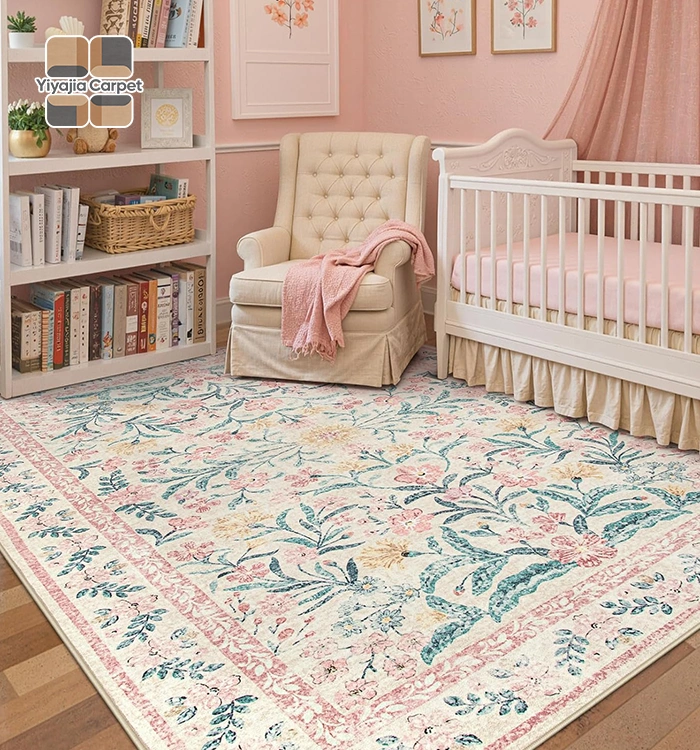
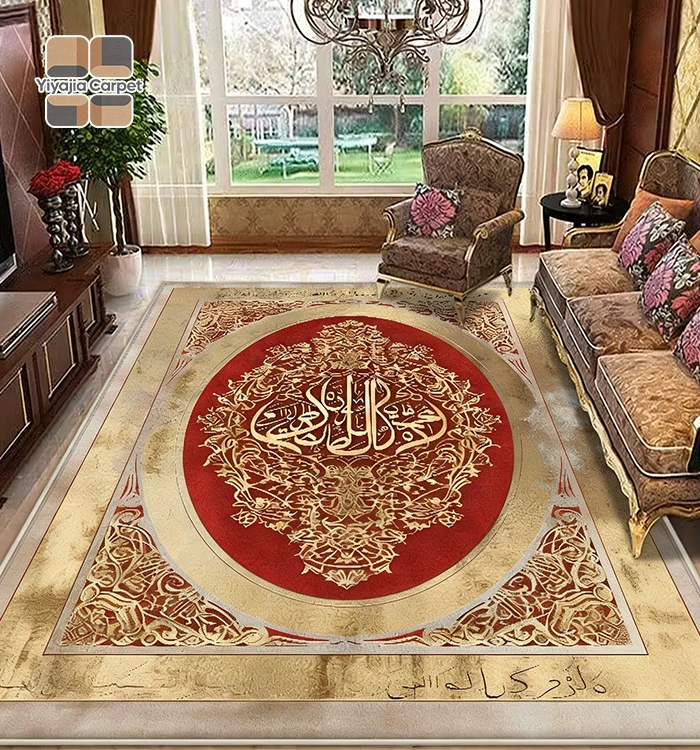
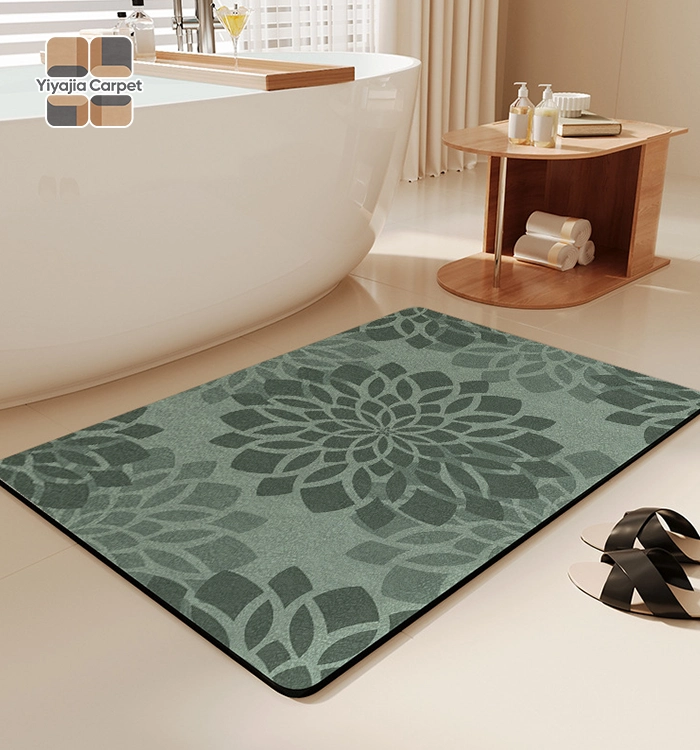
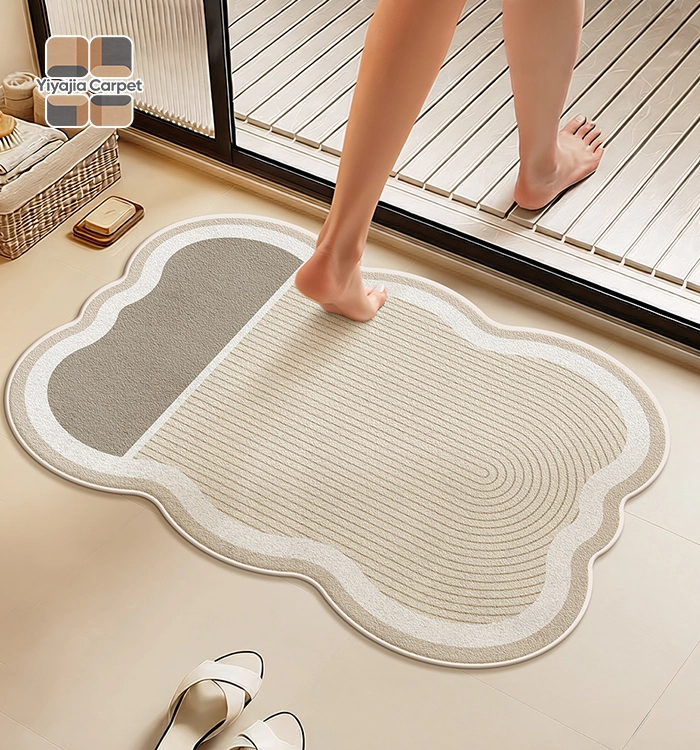
_1774494554973.webp)
How to identify authentic prayer rugs and avoid low-quality imitations?
July 22, 2026


To find the best prayer rugs, you need to look at the materials they are made of, how well they are constructed, and how trustworthy the seller is. Real prayer rugs have a uniform pile height, high-density weaving, the right backing materials, and weight specs that have been checked and match what the manufacturer says are the standards. Surface treatments that don't stain, clothes that don't lose their shape after being washed, and agreement with international safety standards like OEKO-TEX and ISO 9001 are all signs of quality. To make sure there is fibre content, procurement teams should ask for actual examples, do burn tests, and look over third-party inspection reports. Suppliers you can trust are open and honest by giving you full technical specs, manufacturing methods that can be repeated, and quality control protocols that are written down and kept safe to protect your bulk order investments.
Introduction
Buying prayer rugs around the world is hard for buying managers and importers because they have to find the best mix between price and quality. Distributors and online sellers in the United States are under more and more pressure to find goods that meet both government standards and customer demands. Real prayer mats are an important part of keeping a brand's image, keeping customers, and building long-term relationships with suppliers.
A lot of low-quality copies on the market pose risks, from customer complaints to noncompliance issues. Because of this, product checking is an important skill for procurement workers to have. This guide shows you how to tell the difference between real prayer rugs and fake ones. This way, you can make smart choices that protect the integrity of the supply chain and help your business grow over the long term through wholesale, retail, and institutional routes of buying.
Understanding the Problem: Why Low-Quality Prayer Rugs Flood the Market?
There are ongoing quality problems in the prayer rug market that are caused by a number of linked factors. Most of the time, providers replace stated fibres with cheaper ones that aren't as durable or comfortable. This results in substandard materials. Poor workmanship shows up as uneven pile attachment, weak backing glue, and dimensional instability that causes the fabric to curl or shrink after only a few uses. These problems are made worse by misleading labelling, where goods sold as high-quality materials actually contain cheap synthetic mixes that don't work as expected.
A number of market factors make it easier for fake goods to spread. Unpredictable output is caused by inconsistent quality control in different sourcing areas, especially when providers don't use standard inspection methods. Aggressive price competition encourages ways to cut costs that lower the quality of materials and production standards. When procurement teams don't check out suppliers well enough, unqualified companies can get into supply chains. This creates risks that don't become apparent until after big orders arrive. When purchasing managers understand these core problems, they can come up with stricter screening criteria and set up protective purchase systems that make it less likely that quality problems will happen.
Core Principles for Identifying Authentic Prayer Rugs
Material Verification Standards
Real prayer rugs are made with certain types of fibres that affect how well they work and how long they last. Premium choices use natural cotton or wool fibres that are better at absorbing wetness, keeping you warm, and staying strong even after being compressed many times. High-quality synthetic options, such as mixes that look and feel like cashmere, are stain-resistant and easy to clean, while still being soft to the touch. When dealing with new suppliers or big orders, material verification should include proof of the fibre content backed up by tests from a separate lab.
The best prayer rugs have fibres that are evenly distributed throughout the pile structure. There are no bald spots or changes in density that would show a problem with the manufacturing process. Real goods stick to certain weight limits—usually around 800 g/m²—that show how the material should be used, not unrealistic limits. Before committing to bulk orders, people who work in procurement should ask for actual samples that can be felt and compared to the stated specs.
Construction Quality Indicators
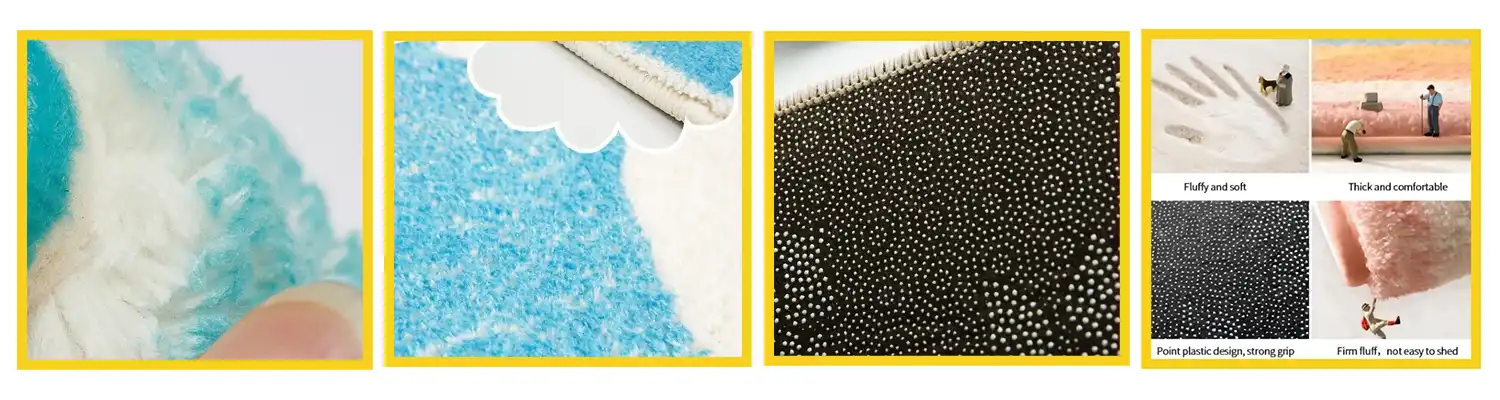
Manufacturing method has a big effect on how long a product lasts and how happy its users are with it. When compared to low-density options that shed fibres too soon, high-density looped designs keep piles in better. Real prayer mats have a steady pile height across the whole surface. This height is usually 5 mm for comfort and ease of care. The backing material is an important quality indicator. Pointed plastic backings keep the shape and don't slip, which is important for safety when using.
Craftsmanship features show how the product is made and what the provider can do. If you want a clean, safe binding that won't come apart, look at the edge finishing. Check the alignment of the patterns and the regularity of the colours across the surface. Make note of any flaws or colour bleeding that could mean the quality control wasn't good enough. For quality goods, the overall width should be about 9 mm. It should feel substantial without being too stiff, which makes it hard to fold or store.
Certification and Provenance Documentation
Clear origin backed by globally recognised certifications ensures that the product is real and follows the rules. CE certification shows that European market entry standards must be met, which is a sign of broad governmental acceptance. OEKO-TEX certification makes sure that textiles are safe by checking that they are made of non-toxic materials and don't contain any dangerous chemicals. This addresses health and environmental issues that are becoming more important to end users. ISO 9001 approval shows that a company uses structured quality management practices to make sure that all of its products are made the same way, every time.
Reliable providers are happy to give you all the paperwork you need, like inspection papers, material test results, and descriptions of the production process. Because of this, buying teams can check claims and decide if a supplier is trustworthy before forming long-term relationships. Together, the right certifications and thorough technical specs make it possible to buy in bulk with confidence.
Comparative Analysis: Authentic vs Low-Quality Prayer Rugs
Physical Characteristic Differences
When you directly compare two goods, you can see big differences between the real thing and the fake one in many ways. Real prayer rugs have deep, bright colours that come from using good colouring methods and colourfast materials that don't fade in the sun or after being cleaned many times. The texture is always soft, and the pile density is always the same. It bounces back quickly after being compressed. The weight is evenly distributed, which keeps it stable while it's being used without making it too big and hard to handle.
When you look closely, you can see that low-quality options have flaws that make them stand out. Colours look dull or uneven, and there are obvious streaks that show the dye isn't getting through well. The texture feels rough or uneven, and there are clear differences in the density. The pile stays packed after use. A structure that is too light could mean that different materials were used instead, and one that is too heavy could mean that heavy backing was added to make it look like quality without actually improving performance.
Performance and Longevity Metrics
In all real-life situations, authentic best prayer rugs work better than fake ones. Surface treatments that are stain-resistant successfully keep liquids from penetrating deeply and leaving lasting marks. The non-slip backing keeps the mat in place on different types of floors, stopping it from moving around while it's being used. The materials can be folded and unfolded many times without getting creases or structural damage. Proper care keeps things looking good and working well for a longer time, which means that even though the starting cost is higher, the total cost of ownership is lower.
Low-quality goods fail performance tests quickly, showing stains from little use, backing wear that makes them slippery, and structure breakdown that means they need to be replaced too soon. The economic effect goes beyond the price of the item bought; it also includes unhappy customers, more returns, and damage to the brand's image, which hurts relationships with customers and brand value.
Pricing Alignment with Quality
When read correctly, market prices can tell you a lot about how real a thing is. Fair price takes into account the real costs of materials, the difficulty of production, and fair profit rates that help businesses stay in business. The prices of real goods are in line with their stated specs and the way people expect them to work. To set realistic goals, people who work in procurement should set pricing standards based on the types of materials used, the details of the building, and the name of the supplier.
Prices that seem too low to be true almost always mean that standards have been lowered through material swap, short-cuts in production, or false specs. Cost-effectiveness is still important, but prices that are much lower than the market average call for more attention and extra checks. Procurement teams can find the best value offers that meet both performance standards and budget limits by balancing cost concerns with quality needs.
Key Steps for B2B Procurement: Ensuring Quality and Authenticity in Bulk Orders
To successfully buy in bulk, you need to follow a set of steps to make sure the quality of the products before placing big orders. This process starts with a thorough screening of the suppliers, which includes looking at the manufacturer's certifications, output capabilities, and quality control systems. Ask for specific paperwork that explains where the materials come from, how they are made, and how they are inspected. Check the supplier's name by calling industry contacts, reading customer reviews, and making sure that they have fulfilled previous contracts.
Here are the most important buying measures that keep investments in bulk orders safe:
Sample Inspection Protocol: Get real samples of the product that will be made instead of carefully made samples for showing off. Conduct a full examination that includes the type of materials used, the quality of the building, the accuracy of the measurements, and the standards for finishing. Check samples against technical specs and write down any differences that need to be explained. The ability to touch and try the performance of physical samples is something that pictures and written accounts can't do. This makes it easier to predict how the final product will be made.
Third-Party Verification: Hire independent testing laboratories to check the composition, safety, and function of the item. Standardised methods that get rid of supplier bias are used for lab tests to find out about fibre content, chemical makeup, colourfastness, and structural soundness. Pre-shipment quality checks by third-party inspection services make sure that bulk orders meet agreed upon standards before they leave the plant. This gives more oversight.
Trial Order Implementation for a Prayer rug: Set up the first jobs as smaller test orders to see how well the seller can do the job and how good the product is before going to full scale. Trial sales show how consistent the manufacturing process is, how reliable the logistics are, and how well the communication works in real business situations. This method keeps financial risk to a minimum while getting real-world experience that helps make decisions about whether a partnership can last in the long run.
These verification steps set up multiple checks that find quality problems early on. This keeps procurement teams from making mistakes that cost a lot of money that they don't find out about until after they get full orders. By adding these protections to normal buying procedures, all supplier relationships will be automatically protected.
Case Studies: Successful Procurement of Authentic Prayer Rugs
International Distributor Partnership
A medium-sized European wholesaler that mainly sold religious goods had trouble with suppliers who consistently delivered low-quality goods, which led to more customer complaints and more returns. The company did a thorough background check on its suppliers, looking at things like manufacturing licenses, quality control systems, and output capacity. They looked at several makers and chose one that offered full documentation, such as OEKO-TEX certification, ISO 9001 compliance, and thorough inspection reports.
The connection started with trial sales that let the performance of physical samples be tested in real-world settings. The quality of the product was better than expected; it had consistent pile density, precise measurements, and good stain protection. The dealer slowly increased the number of orders while keeping quality standards high by inspecting samples regularly and getting third-party confirmation. This relationship made it possible to sign a three-year contract with stable prices, on-time deliveries, and the ability to make changes that improved the distributor's place in the market and customer happiness scores.
E-commerce Seller Quality Transformation
An Amazon-focused seller's reviews were going down because of problems with the quality of their prayer rugs, such as the pile coming off too quickly, the backing breaking down, and the colours running. Analysis showed that the main reason was that the suppliers weren't screened well enough and put low prices ahead of quality checks. The seller changed how they buy things, putting more emphasis on material certifications, clear manufacturing, and full sample tests before buying a lot of goods.
Working with a maker who cares about quality changed the product by adding a high-density tufted construction, a pointed plastic backing, and colouring methods that don't run. Specifications like 800 g/m² weight, 9 mm thickness, and a process that is proven to be stain-resistant fixed problems that had happened before. The comments from customers got a lot better, with scores going up and return rates going down a lot. Even though the quality investment led to higher unit costs, it also led to higher profit margins. This shows that real goods provide better economic returns by making customers happier and more likely to buy again.
Conclusion
To find best prayer rugs, you have to carefully look at the materials they are made of, how well they are put together, the credibility of the seller, and how well the price matches the stated specs. Procurement pros protect large orders by checking a lot of things, like inspecting samples physically, having a third party test them, and putting in place a trial order. When you have the right certifications, clear paperwork, and strict screening processes, you can choose a supplier with confidence that will meet your needs in terms of both cost and quality. When purchasing managers know the difference between real goods and cheap copies, they can build reliable supply chains that protect brand image, keep customers happy, and support long-term business growth across all market groups.
FAQ
Q1: How can procurement teams verify material composition claims?
A: Request proof of the fibre content backed up by independent lab test results that show the exact make-up of the material using standard analysis methods. Burn tests are a quick way to be sure—natural fibres give off ash and a hair-burning smell, while manmade materials melt and give off chemical smells. Reliable suppliers are open about where their materials come from and accept third-party verification to back up their quality promises.
Q2: What certifications indicate reliable quality standards?
A: OEKO-TEX approval proves that textiles are safe by testing them with many chemicals, and ISO 9001 shows that quality management is done in a structured way. The CE mark shows that the product meets European safety standards, and the REACH mark shows that the drug doesn't harm the environment. These certificates give buyers peace of mind that the goods they buy meet safety, quality, and environmental standards that are recognised around the world.
Q3: How do sample inspections protect bulk orders?
A: Physical samples show the real quality of the production, including information about the materials used, how they were put together, and how they were finished, which is something that specs alone can't do. Samples let you compare your goods to those of other suppliers and make sure that they meet the stated standards. Testing samples in real-world use situations helps find possible performance problems before agreeing to large-scale purchases, which greatly lowers the risk of procurement.
Q4: What pricing indicators suggest quality concerns?
A: Pricing that is much lower than the market average usually means that materials were substituted, production was sped up, or the specs were not clear. Standard prices are set by good products, correct building methods, and real certificates. Fake suppliers can't lower these prices by a large amount while still meeting standards. Purchasing teams should set price standards based on the types of materials used and the difficulty of making so that they can spot offers that seem too low and need more investigation.
Partner with Yiyajia Carpet for Premium Prayer Rug Solutions
Yiyajia (Tianjin) Carpet Co., Ltd. has been making genuine prayer rugs for wholesalers, exporters, and institutional buyers in the United States market for a long time. Our high-density knitted prayer mats are made of fake cashmere that is 800 g/m² heavy, 9 mm thick, and has a stain-resistant surface that meets strict international standards. The full list of certifications includes CE, OEKO-TEX, ISO 9001, REACH, and EN 1350, which makes sure that the products are safe in all legal settings. We offer open OEM/ODM customisation that includes changing the size, pattern, and branding to meet your needs. We also offer fast sample production (within 24 to 48 hours) and a full review before shipping. As a reliable best prayer rugs seller, we offer export-standard packing, clear logistics planning, and dedicated account management to make large orders go smoothly. You can ask for samples by emailing sale@yyj-carpet.com. Our quality assurance methods will protect your purchasing investments and ensure that you always get the best products.
References
1. Islamic Textile Institute. (2022). Standards and Specifications for Contemporary Prayer Rug Manufacturing. Cambridge: Academic Press.
2. Rahman, A. & Chen, L. (2021). "Quality Assessment Methodologies in Global Textile Procurement." Journal of International Trade and Commerce, 15(3), 287-304.
3. European Textile Certification Board. (2023). OEKO-TEX Standard 100: Application Guidelines for Religious Textiles. Zurich: ETCB Publications.
4. Peterson, M. (2022). B2B Procurement Strategies for Specialty Textile Products. New York: Business Press International.
5. Global Standards Organization. (2021). ISO 9001 Implementation in Carpet and Floor Covering Industries. Geneva: GSO Technical Publications.
6. Hassan, K. & Williams, D. (2023). "Material Authentication Techniques in Islamic Textile Commerce." Textile Research Quarterly, 41(2), 156-178.