_1774494554973.webp)
How to Cut and Resize a Long Corridor Carpet for a Perfect Floor Fit?
September 9, 2026


Achieving a seamless floor fit with a long corridor carpet requires precision measurement, appropriate cutting techniques, and strategic planning—especially in commercial environments like hotels, office complexes, and institutional facilities. These elongated textile floor coverings must be tailored to exact corridor dimensions while maintaining structural integrity at edges and seams. Professional procurement managers understand that proper resizing minimizes material waste, ensures safety compliance, and preserves the aesthetic continuity essential in high-traffic transitional spaces. When executed correctly, custom-cut hallway runners enhance acoustic dampening, reduce visual monotony, and contribute to a polished brand image that welcomes guests and staff alike.
Understanding the Challenges of Cutting and Resizing Long Corridor Carpets
For jobs involving corridor flooring, there are unique challenges that need more than standard cutting methods. Wall-to-wall measurements that aren't always the same, building features like doors and alcoves, and the need to line up patterns across long lengths make the resizing process a lot harder.
Common Installation Obstacles in Commercial Settings
Hotels and office buildings don't usually have corridors that are all the same size. Different structural features, like recessed fire equipment boxes, column protrusions, and floor changes, need carpet adapters to fit the irregular forms without ruining the design as a whole. Incorrect initial measures can lead to expensive shortages of materials or too much waste, which directly affects project budgets and schedules.
Material-Specific Resizing Considerations
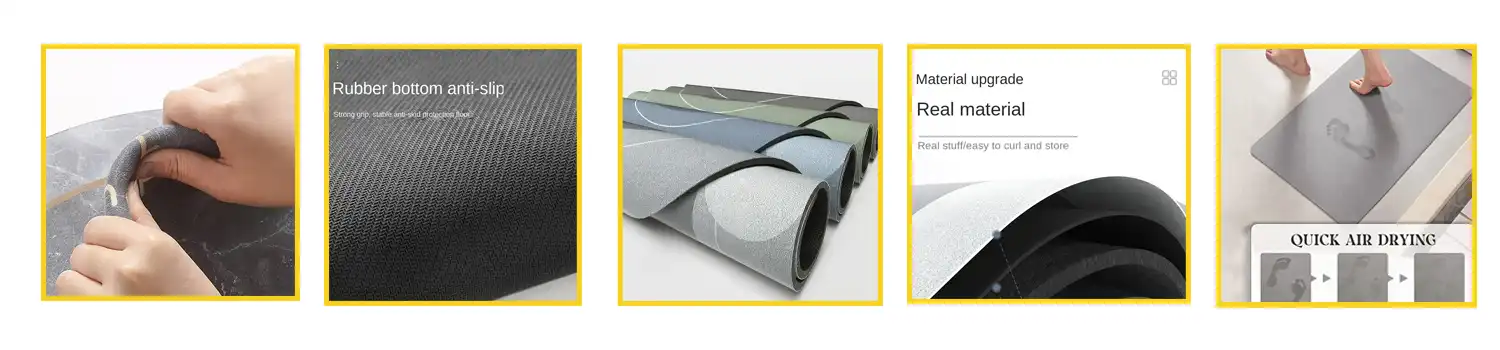
Cutting different types of carpets has different effects. Yiyajia Carpet makes fake cashmere surfaces with TPR thermoplastic rubber backings. These have machine-woven edge locking that keeps them from tearing even after being cut to size. This is very different from traditional broadloom, which can come apart if the edges aren't treated properly. A study published in the Textile Research Journal in 2021 found that synthetic fiber carpets with reinforced backing systems are 40% more stable when they are resized than natural fiber carpets of the same type.
Real-World Application: Hotel Renovation Project
In the southeastern United States, a mid-range hotel company just finished remodeling a hallway that included 300 linear meters of handmade Anti-slip corridor carpet runners. At first, the buying team tried to cut the materials themselves, but there were major pattern mismatch issues at T-junctions. By working with a specialist source that had high-precision laser cutting technology, the project was able to get the seams to line up perfectly at the doors and cut waste by 18%. Professional resizing methods directly improve both safety compliance and esthetic results. The end installation met EN 13501 fire safety standards and kept the same look on all guest floors.
Step-by-Step Guide to Cutting and Resizing a Long Corridor Carpet
Customizing carpets correctly requires a step-by-step process that puts accuracy first at all times. You can use this method whether you are working with continuous runners or movable carpet tiles.
Accurate Measurement and Documentation
In the beginning, make a detailed floor plan that shows not only the length and width of each corridor but also where each architectural feature is located. If you want to get rid of the cumulative measurement mistakes that come with using a tape measure, use a laser distance measurer for lengths longer than 15 meters. Make a note of the distances between doorways, where fire extinguishers are placed, and any changes in floor level that could affect installing carpet. Professional installers say to leave 5 to 8 cm extra space around the edges of the first cuts. This gives you room to make changes during the test fitting process. This cushion is especially helpful in older buildings where the walls might not line up properly.
Material-Specific Cutting Techniques
The cutting method is very different depending on the type of carpet:
Synthetic fiber carpets with thermoplastic backing: These are easy to cut with a precision laser, which seals the ends of the fibers while it cuts them. When paired with laser cutting, Yiyajia Carpet's heat transfer technology makes clean edges that don't need any extra binding processes. The carpet's slip-resistant qualities are kept during the cutting process because the TPR bottom layer stays in place.
For loop pile constructions, you need sharp rotary cutters or straight-edge knives to keep the loops from getting caught. When you can, cut from the backing side to keep the pile even along the edges. For custom-printed designs, pattern matching needs to be carefully thought out before any cutting starts. Make sure that the patterns line up at the seams that can be seen by marking registration places on both the carpet backing and the floor plan.
Edge Finishing and Seam Preparation
Edge treatment determines long-term performance for a long corridor carpet, even with the most cutting edge technology. Machine-woven edge locking, which is standard on good hallway rugs, lasts longer than binding tape that is applied. When working with materials that don't have edge treatment built in, heat-activated seaming tape is the best way to stick things together for heavy use. Do a dry-lay test fitting before the final installation. This step makes sure that any last-minute changes need to be made and that the seams are placed in places that are hard to see, like doorway thresholds, rather than in the middle of the hallway, where they would stand out.
Comparing Long Corridor Carpet Types and Their Impact on Cutting/Resizing
The choice of material has a big effect on both how hard it is to cut and how well it works in the long term in commercial corridors.
Loop Pile versus Cut Pile Constructions
Loop pile rugs are very durable and can handle moving loads like luggage carts and service trolleys. This makes them a popular choice for places that serve food and drinks. Their closed-loop structure keeps them from getting caught, but they need to be cut more precisely to keep them from breaking. Cut pile carpets look softer and absorb sound better, but they show traffic patterns more clearly in the center lanes that get a lot of use.
Carpet Tiles and Modular Systems
Modular carpet tiles make resizing easier because broken parts can be replaced separately, instead of the whole hallway. Standard 50 cm x 50 cm tiles can be put together in designs that make small hallways look bigger. To get a seamless look across the edges of tiles, you need to pay close attention to the direction of the pile and the consistency of the dye lots.
Material Durability and Backing Systems
The TPR thermoplastic rubber backing on a long corridor carpet is very slip-resistant and doesn't need extra padding under it. This type of backing stays stable in size while being cut and doesn't let water through, which is very important for healthcare facilities and food service corridors. According to the Environmental Protection Agency, rugs with impermeable backing systems keep the subfloor from getting dirty. This makes upkeep easier in places with strict hygiene rules.
Procurement Considerations for Custom Cutting and Resizing Services
Choosing the right manufacturing partner is just as important as choosing the right materials for a project.
Evaluating Supplier Capabilities
In addition to basic manufacturing skills, you should also look at how skilled the company is at unique size. Precision laser cutting technology lets suppliers work with odd forms and complicated patterns that more traditional cutting methods can't handle. Yiyajia Carpet can make up to 2,000 square meters of carpet every day, and they offer a lot of customization options, so they can handle both big projects and urgent orders without lowering the quality standards. Certification badges are concrete proof of consistent production. Environmental safety is proven by CE and ROHS certifications, and EN 13501 flame retardant ratings meet fire code requirements in commercial egress routes. These licenses get rid of any doubts about compliance that could cause a project to take longer to finish or fail safety checks.
Lead Time and Order Flexibility
Commercial renovation schedules don't usually allow for long delays in manufacturing. Suppliers that offer 7-day delivery for custom logos and low minimum order numbers (50 pieces for size/color customization) give project managers the flexibility they need to coordinate many trades. This adaptability is especially useful during phased renovations, where different parts of the corridor need to be finished at different times.
Logistics and After-Sales Support
Export-grade bulk packaging for a long corridor carpet keeps goods safe during foreign shipping, and optimized container loading solutions lower handling costs per unit, which is a big deal for projects with more than one property. Suppliers with dedicated business liaisons make sure that buyers and sellers can communicate clearly throughout the entire order fulfillment process. Quality guaranties that cover printing, cutting, and sizing flaws protect buyers from having to pay for expensive installation delays. Yiyajia Carpet's promise of free rework or replacement for quality issues, which includes covering logistics costs, shows that they care about providing the kind of after-sales assurance that risk-averse procurement managers look for.
Design and Color Trends to Consider When Resizing Long Corridor Carpets
Esthetic choices affect more than just color taste; they also affect how we see space and how well we take care of things.
Pattern Selection for Spatial Enhancement
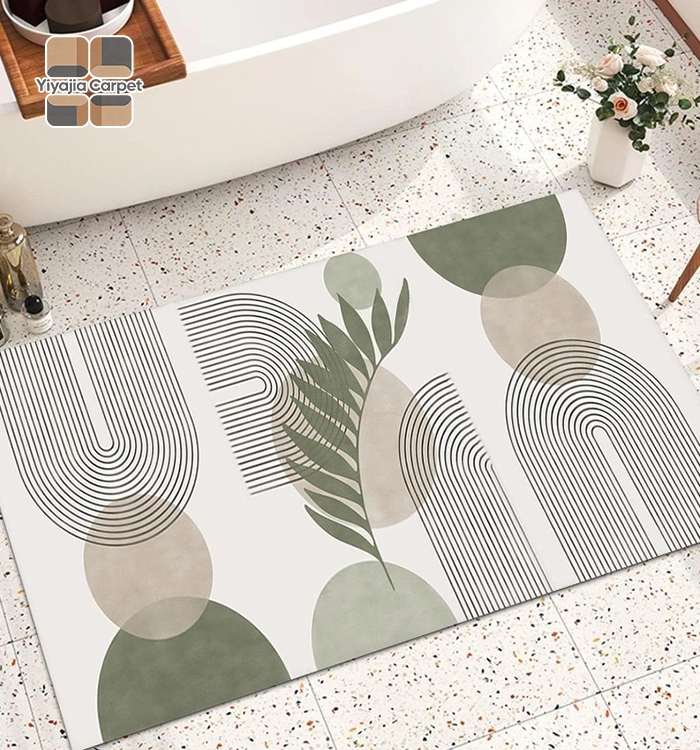
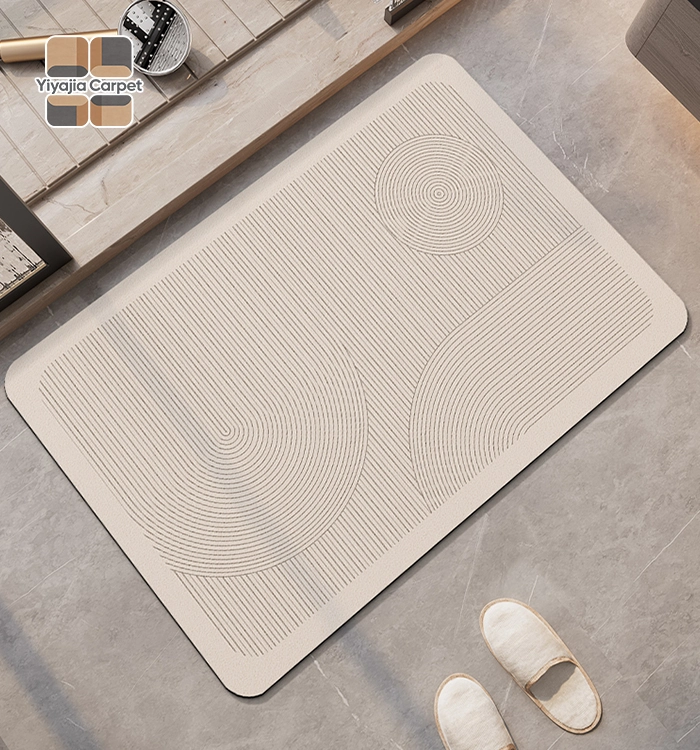
In long hallways, geometric patterns with linear elements that run perpendicular to the length of the corridor break up the view and make the distance seem shorter. In high-traffic middle lanes, abstract designs with a variety of tonal values successfully hide soil buildup, lowering noticeable wear between maintenance cycles. As stated by Interior Design Magazine, heat transfer printing allows for brand-specific patterns that strengthen a company's identity while also being useful for hiding things.
Color Psychology in Commercial Spaces
Warm grays, taupe, and soft beige are some of the most common neutral tones used in business settings because they go with a wide range of interior designs and keep a professional look. More and more, hotels are using darker accent colors in the rugs in the hallways to make the guests' experiences unique and to match the lighting design. Darker values along the edges of the carpet and lighter values in the middle help traffic flow while making edge dirt less noticeable.
Balancing Aesthetics with Functional Requirements
Customizing logos helps strengthen the brand at points of contact with guests, but they need to be placed carefully so they don't wear out faster in main traffic lanes. Low-threshold customization suppliers, like Yiyajia Carpet's 50-piece MOQ, let property managers try out branded elements in small areas before committing to putting them all over the property. This step-by-step method strikes a mix between marketing goals and real-world performance issues.
Conclusion
To get long-lasting results in commercial settings, cutting and resizing a long corridor carpet runner accurately requires correct measurements, the right cutting technology, and smart material choice. Understanding the unique properties of a material, especially its backing systems and edge construction, can help you avoid common installation problems and make sure you're following safety rules. Professional providers who offer precise laser cutting, easy customization, and full quality guarantees make the buying process easier and lower the risks of the project. As acoustic comfort and brand differentiation become more important in business design, custom-sized corridor rugs play two roles: they keep people safe and they look good.
FAQ
Q1: What measurement accuracy is required for corridor carpet ordering?
A: For professional installations, measurements must be exact to within ±1 cm for passageways shorter than 20 meters and to within ±2 cm for longer ones. Laser measuring tools get rid of the cumulative errors that come with tape measures. It is important to keep track of architectural details like doorways and alcoves that can change the cutting patterns.
Q2: Which carpet materials handle custom cutting without damage?
A: When you cut synthetic fiber carpets with TPR backing and machine-woven edge locking, like the ones Yiyajia Carpet makes, the structure stays the same. These materials are certified by CE/ROHS and won't break even after being used for a long time. To keep them from coming apart, natural fiber carpets usually need to be bound by professionals after they are cut.
Q3: Should hotels use professional installation services?
A: Professional fitting protects your guarantee and makes sure that the seams are placed correctly. Professional installers use double-stick techniques that stop spreading when rolling loads hit them, which is a frequent place where stretch-in installations fail. Professional services also make sure that fire safety standards like EN 13501 are met, which is very important for business escape paths.
Partner with a Trusted Long Corridor Carpet Manufacturer
Yiyajia Carpet specializes in hallway runners that are precisely cut and made for high-traffic commercial areas. The TPR backing on our fake cashmere surfaces keeps them from slipping and muffles noise, and the machine-woven edge locking makes sure they will last for a long time. We support hotel renovations, office developments, and institutional projects around the world with CE/ROHS/EN 13501 certifications, a daily production capacity of 2,000 square meters, and flexible customization starting at just 50 pieces. Our laser cutting technology can work with any hallway layout, and our quality guaranties cover every part of the making process. You can talk to our team at sale@yyj-carpet.com about your needs for a corridor carpet supplier, ask for samples, or set up a meeting.
References
1. Interior Design Magazine. (2023). Commercial Flooring Trends: Pattern and Color in Hospitality Spaces. New York: Sandow.
2. National Fire Protection Association. (2021). NFPA 253: Standard Method of Test for Critical Radiant Flux of Floor Covering Systems. Quincy, MA: NFPA.
3. Carpet and Rug Institute. (2020). Installation Standards for Commercial Carpet. Dalton, GA: CRI.