_1774494554973.webp)
How to clean and maintain a wire coil floor mat?
July 15, 2026


A simple method is needed to clean and care for a Wire coil floor mat so that it stays durable and works well. These special entry mats are made from high-density PVC loop structures that effectively trap dirt and moisture thanks to their unique coil design. As part of regular care, you should shake or hoover the mat to get rid of loose dirt and dust, wash it with water and light detergent using a hose or a pressure washer with controlled pressure, and let it dry completely in the air. This routine keeps the anti-slip surface treatment going, stops particles from building up, and makes the mat last longer in both business and domestic settings. Taking care of things the right way keeps them safe and looking good.
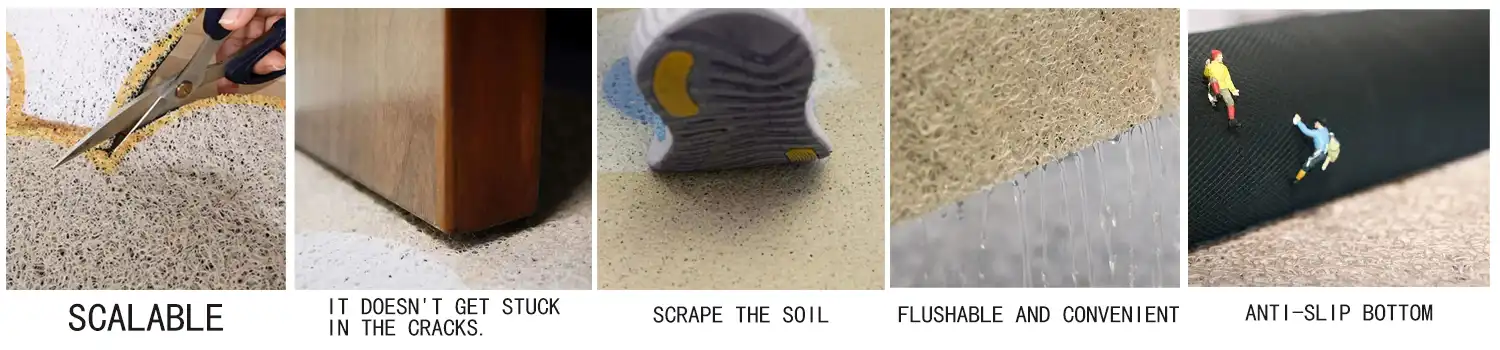
Understanding Wire Coil Floor Mats
What Makes These Entrance Systems Unique?
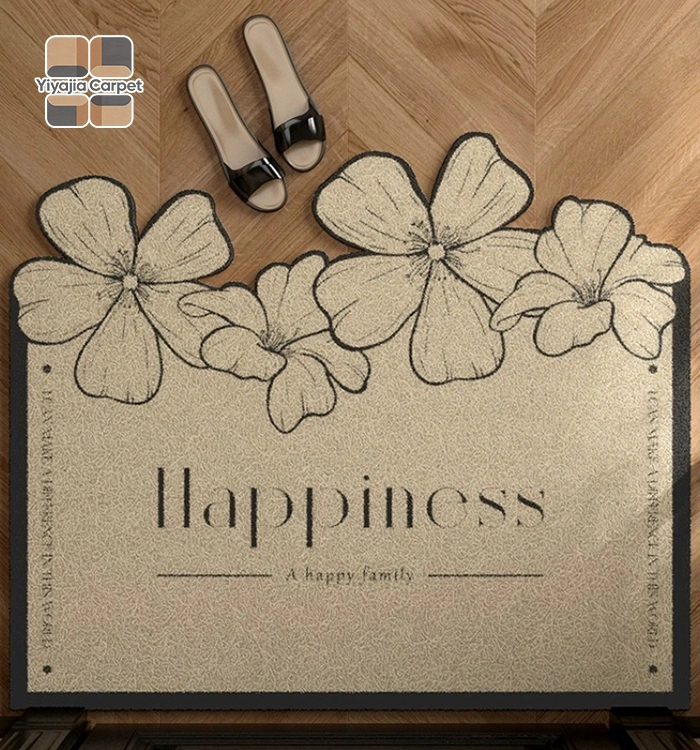
Wire coil floor mats are a special kind of door mat that was made to deal with certain problems that come up in high-traffic areas. These items are not like regular carpets or rubber mats because they are made from extruded PVC strands and have an open-loop structure. The structure makes a three-dimensional scraping surface with stiff loops that actively remove dirt and moisture from shoes. Particles don't stay on the surface because they fall through the open mesh. This keeps the mat looking cleaner for longer and keeps dirt from spreading inside.
Multiple performance factors are balanced in the engineering that went into these mats. Commercial-grade products usually have a width of 8 mm and weigh between 2.2 and 2.4 kg per square metre. This large weight keeps the mat tightly in place so it doesn't bunch up or move around when people walk on it. The backing material, which is usually heavy-duty PVC, does two things: it holds the mat firmly to the floor and makes it less likely that you will slip when it's wet.
Material Properties and Design Variations
New coil mats or high-quality recovered PVC that has been mixed with UV stabilisers and plasticisers are used today. These additives keep the mat from breaking and losing its colour, so it can be used indoors and outdoors for longer. Because PVC is hydrophobic, it doesn't let water soak into it. This means that mould, mildew, and bacteria can't grow on these mats. People with this trait do well in places where cleanliness is very important.
For different uses, different designs are needed. Some mats have solid backs that keep dirt and water underneath, which makes them perfect for entrances where control is very important. Others use flat designs that don't have any backing and let all the water drain away. These can be used on pool decks, in dressing rooms, or in industrial kitchens. The filament's width is usually between 0.8mm and 1.0mm, just the right size to scrape hard without making your feet hurt. With high-density loop design, the structure stays strong even after millions of foot hits.
Why Proper Cleaning and Maintenance Matter for Wire Coil Floor Mats?
Performance Degradation Without Consistent Care
When you don't maintain a Wire coil floor mat, it leads to a chain of problems that cost money and threaten safety. As dirt builds up inside the loop structure, the mat's main purpose decreases. When old garbage takes up the spaces meant to catch new contaminants, the scraping device works less well. When particles form a slippery layer between shoe bottoms and PVC loops, surface grip goes down. This makes it more likely for people to slip and fall when it's wet outside.
When servicing stops, material wear and tear speeds up. Abrasive particles that are ground into the coil structure wear down the PVC strands over time by constantly rubbing against them. If left in contact for a long time, chemicals from de-icing salts, cleaning products, or industrial spills can damage the structure of the polymer. When debris gets in the way of the surface's right contact with the floor, the backing's ability to stick gets weaker, which leads to early delamination in backed forms.
Cost Efficiency Through Preventive Maintenance
There are real cash benefits to putting in place a structured care practice. If you follow the manufacturer's instructions, mats will last three to five years in a business setting, but if you don't, they will only last eighteen months. Replacement prices for high-traffic entrance systems range from a few hundred to a few thousand dollars, based on size and customisation. Having systems that last longer is a big practical savings.
This value offer is strengthened by the bigger picture of building management. Cleaning the inside of a building is cheaper when you use clean door mats to keep dirt from spreading to rugs and hard floors. Studies show that well-maintained door mats can catch up to 80% of tracked-in dirt, which cuts down on cleaning time and increases the longevity of interior flooring investments. Safety rules in the workplace are easier to follow when door systems always do their anti-slip job.
Step-by-Step Guide: How to Clean Wire Coil Floor Mats?
Pre-Cleaning Preparation and Safety Measures
Before you start cleaning the Wire coil floor mat, you should look at it to see how it looks and get the right tools. If you can, take the mat off of where it's been placed so that you can clean both it and the floor below it thoroughly. Smaller mats can be cleaned one at a time, but bigger setups might need to be cleaned in sections or with special tools. For safety reasons, you should wear gloves when handling very dirty mats, especially in industrial settings where chemical or biological contaminants could be present. Make sure that the cleaning will take place in a place that has good drainage so that water doesn't build up. If you're using pressure washers, make sure the setting stays below sixty bar so you don't damage the PVC strands or pull the backing apart.
Effective Cleaning Methods for Different Soil Levels
Light upkeep cleaning gets rid of the daily buildup without a lot of work. Shake the mat hard while it's upside down to get rid of any dirt that has gotten stuck in the loops. Smaller bits that spinning doesn't pick up can be removed by an industrial hoover with strong suction. This easy task only takes a few minutes and should be done once a week in areas with mild traffic or every day at business entrances with a lot of traffic.
When you can see dirt stuck in the mat, when it feels sticky, or when it holds smells, you need to do a deep clean. First, shake and hoover the area to get rid of any small dirt. You can lay the mat flat on a clean surface or hang it up vertically to make it easy to get to. Use a soft-bristle brush or low-pressure spray to apply a solution of mild, pH-neutral soap mixed with water. Make sure the cleaning solution gets on all surfaces by working it through the loops in a planned way. Don't use strong acids or alkaline cleaners on PVC because they can break down the polymers or remove the protection coatings.
For deeply dirty mats, pressure washing is the best way to clean them completely. Place the wide-angle tip at least 12 inches away from the mat's surface. To make sure you cover everything, work in passes that cross. Because the construction is open, water can flush waste all the way through and out. Keep an eye on the sides and corners, where dirt likes to gather. To get rid of all soap residue, which can attract dirt if left behind, rinse the dish well with clean water.
Drying Protocols and Post-Cleaning Inspection
Drying the mat the right way stops mould from growing and gets it ready to be put back down. Because PVC doesn't absorb water, it dries quickly compared to materials that do. You can hang the mat vertically or lay it flat somewhere with good air flow. Moving the air around speeds up the drying process. In wet situations, using fans speeds up the process. Don't put it near heaters or industrial dryers that give off direct heat. This can damage the backing or make the PVC break easily.
Do a quality check on the mat before putting it back into work. Make sure that all the dirt that you can see is gone and that the loops have returned to their natural colour. Look for signs of delamination, tears, or too much wear on the backing. Test the grip with the bottom of a shoe to make sure the anti-slip qualities are still there. Take care of any problems you find before reinstalling to avoid safety issues or failure before its time.
Best Practices for Maintaining Wire Coil Floor Mats to Maximize Lifespan
Developing a Structured Maintenance Schedule
The best cleaning regularity for a Wire coil floor mat is based on the amount of traffic. In business office buildings with 200 daily users, entrance mats need to be deep-cleaned once a week and have trash picked up every day. Stores or hotel lobbies that get hit by thousands of feet every day need more active plans, which could include maintenance in the middle of the day during busy times. The requirements are affected by the weather. For example, snow, rain, and mud that gets tracked in during the winter need more care.
Making a written schedule makes sure that everyone is responsible and follows the plan. Give the grounds staff clear directions on how to do their jobs and specific tasks to do. When you do a deep cleaning once a month, you should look for signs of wear like loops that are flattened, backing that comes apart, or lasting stains. Reviewing goods every three months lets procurement managers see if they meet needs or if changes to the specifications would make them work better.
Handling Heavy Traffic and Harsh Environmental Conditions
Strategically placing mats in high-impact places helps spread wear over a bigger surface area. Putting in flexible mat systems lets you rotate parts, which evens out exposure and makes the system last longer. Custom size makes sure that entrance zones are fully covered, which stops skipping that builds up dirt in areas that aren't covered. Some facilities use stacked methods, with rough scraper mats on the outside and smoother loop mats on the inside.
Because of environmental factors, you need to be vigilant. In areas with a lot of snow and ice, facilities should use pre-treatment procedures like rinsing mats before de-icing salts build up and damage PVC by creating crystals. In industrial areas where people are exposed to oil or chemicals, you need special cleaning products that can get rid of certain contaminants without hurting the mat material. When used outside, UV light means choosing goods with improved stabiliser packages that don't fade or break down easily.
Repair Versus Replacement Decision Framework
Mat lifecycle management choices are based on a cost-benefit study. If the cost of fixing the mat is less than thirty percent of its new value and there is only minor edge wear or loop damage, the mat may be worth fixing. When PVC glue are used to fix the backing of mats that still have their loop structure, the mats can last longer. But loops that are flattening out all over, backings that are coming apart in big areas, or lasting contamination are all reasons to replace them.
Companies that manage multiple sites or big entrance systems can save money on unit costs by buying in bulk. Building relationships with makers that offer flexible minimum order amounts lets you keep replacement items on hand without tying up too much cash in materials that aren't being used. This method cuts down on downtime when replacements need to be made and makes sure that all facilities look the same.
Procurement Considerations for Wire Coil Floor Mats
Matching Product Specifications to Operational Requirements
The first step in choosing the right Entry-level loop-pile doormat is to accurately measure the surroundings and performance standards. The density of the coil has a direct effect on how long it lasts. For high-traffic business uses, the density of the loop must be more than four kilograms per square metre. The type of backing chosen relies on where the mat is going to be installed. Anti-slip PVC backing works well on most hard surfaces, while unbacked forms are better for places where drainage is more important than keeping debris in.
Surface treatments make things work better for certain problems. Anti-stain formulas don't change colour when they come in touch with chemicals or spills for a long time. Easy-clean surfaces make upkeep easier, which is helpful in places where there aren't many cleaning supplies. Customisation choices, such as adding a name through precise laser cutting or heat transfer printing, help with branding goals while keeping the functionality of the product.
Supplier Evaluation and Quality Assurance
Working with trustworthy makers lowers the risks of buying things that might not be of good quality or that the supply might be interrupted. Certifications are an objective way to make sure that a product meets certain standards. The CE mark means that the product meets the safety, health, and environmental protection standards of the European Union. OEKO-TEX approval shows that textiles have been checked for harmful substances, which is important in places where people might be exposed to harmful substances. If a supplier has ISO 9001 certification, it means they have quality control methods in place that make sure production standards are always met.
For foreign procurement, compliance paperwork is now very important. REACH registration is about making sure that chemicals sold in the EU are safe. The flame retardancy ratings in EN 13501 meet the requirements of fire safety rules for business building projects. Suppliers that offer full certification packages make it easier for buying managers who are in charge of handling deployments in multiple regions to make sure they are in compliance.
Optimizing Investment Through Strategic Purchasing
When you order in bulk, you take advantage of economies of scale that make the cost per item much lower. Manufacturers usually use tiered pricing, where savings become important when certain levels of sales are reached. When you plan your annual needs or coordinate buying across multiple project sites, you can negotiate better terms. Custom sizing cuts down on the waste that comes from cutting standard sizes to fit different doorways, so more of the material is used.
Long-term ties with suppliers add value beyond the original purchase price. Dedicated account management makes sure that repeat orders are quickly scheduled for production, which is very important when project deadlines are tight. Suppliers who know a client's needs can make reordering easier and can suggest ways to improve things based on changes in the industry or new performance data. Premium suppliers are different from commodity suppliers because they offer after-sales support, such as installation help, teaching on how to do upkeep, and warranty service.
Conclusion
Cleaning and maintaining a Wire coil floor mat system properly will protect your investment and keep them safe and working well. Because of the way they are made, PVC loop mats need simple but regular care: regular dirt removal, wet cleaning with the right tools every so often, and thorough drying. Structured repair plans that are in sync with traffic trends stop equipment from breaking down too soon and make it last a lot longer. When making purchasing choices, it's important to weigh short-term costs against long-term benefits like a supplier's dependability, the ability to customise, and a wide range of quality standards. When businesses see entrance mats as an important part of their building management rather than just a cheap item to buy, they get better results in terms of safety, cleaning, and cost savings.
FAQ
Q1: How often should commercial entrance mats be deep cleaned?
A: How often deep cleaning is done relies on how much business there is and how the environment is. Deep cleaning places with moderate traffic once a week is best, while cleaning high-traffic doors to stores or hotels every three to four days during busy times is more likely to be needed. When it snows and muds up, winter usually needs more care than when it's dry in the summer.
Q2: Can pressure washers damage the mat structure?
A: When used right, pressure cleaners are safe. Make sure the pressure stays below sixty bar and the tip is at least twelve inches above the surface. Instead of narrow streams, use spray designs that cover a wide area. By taking these steps, you can clean thoroughly without damaging the fibre or separating the backing.
Q3: What distinguishes professional-grade mats from residential versions?
A: Commercial goods have a higher density, usually more than 2.2 kilograms per square metre, while household mats only weigh about 1.5 kilograms. Backing materials are stronger, and PVC formulations have extra UV stabilisers and flame retardants to meet strict industrial building rules and standards for longer life in tough environments.
Partner with Yiyajia Carpet for Premium Wire Coil Floor Mat Solutions
Professional-grade entry mats made by Yiyajia Carpet are designed for tough business and industrial uses. As an OEM and ODM Wire coil floor mat provider, we can make any changes you want, including adding your name, making the mats the right size, and matching the colours to your brand's standards. Advanced heat transfer and precise laser cutting technologies make sure that all bulk orders meet the exact specs. Strict 100% pre-shipment screening routines make sure that the quality is always the same.
We have been making Wire coil floor mats for a long time and have earned certifications from organisations like CE, OEKO-TEX, ISO 9001, REACH, and EN 13501. This makes it easier for you to meet the standards of foreign markets. Our flexible minimum order numbers can be used for both big projects and long-term supply partnerships. Plus, our optimised export packaging and streamlined shipping will lower your total cost of buying. Email sale@yyj-carpet.com to talk to our team about your door mat needs and get personalised suggestions backed by technical knowledge and quick after-sales support.
References
1. Johnson, M. & Peterson, R. (2021). Commercial Entrance Matting Systems: Performance Standards and Maintenance Protocols. Facility Management Journal Press.
2. Anderson, K. (2020). PVC Polymer Properties in High-Traffic Flooring Applications. Materials Science Quarterly, Volume 34, Issue 2.
3. International Facility Management Association. (2022). Best Practices for Entrance System Maintenance in Commercial Buildings. IFMA Publications.
4. Williams, S. (2019). Cost-Benefit Analysis of Preventive Maintenance in Building Systems. Operational Efficiency Review, Volume 12.
5. European Committee for Standardization. (2021). EN 13501: Fire Classification of Construction Products and Building Elements. CEN Technical Standards.
6. Thompson, L. & Garcia, H. (2020). Slip Resistance and Safety Performance of Commercial Floor Mats. Occupational Safety Research Institute.