_1774494554973.webp)
How do I choose Korean carpets rugs for hotels and offices today?
August 26, 2026


Choosing Korean Carpets Rugs for hotels and offices requires balancing aesthetic appeal with practical durability. These floor coverings combine soft faux cashmere surfaces with anti-slip TPR backing, making them suitable for high-traffic commercial environments. When selecting rugs for professional spaces, procurement managers should evaluate material composition, safety certifications, customization flexibility, and supplier reliability. Modern Korean-style designs emphasize minimalist patterns, low-saturation colors, and easy maintenance—qualities that align well with contemporary hospitality and workplace design standards.
Understanding Korean Carpets and Rugs: History, Styles, and Materials
The Evolution of Korean Textile Design in Commercial Spaces
In the last few decades, Korean weaving customs have changed significantly. In the past, Korean Carpets Rugs were made with natural fibers and hand-knotted methods. Now, the business market is focused on new synthetic materials that are useful in hotel and office settings. Modern rugs with Korean influences show the "hallyu" style, which is known for its clean lines, soft colors, and modest grace and has become popular around the world thanks to interior design trends.
Modern floor coverings in the Korean style are made to work with the radiant heating systems that are common in Asian architecture. This means that the materials used must be able to handle heat without breaking down. Because of this technical need, new backing technologies and fiber engineering have been created, which makes these goods different from traditional wool rugs.
Material Innovations Driving Commercial Adoption
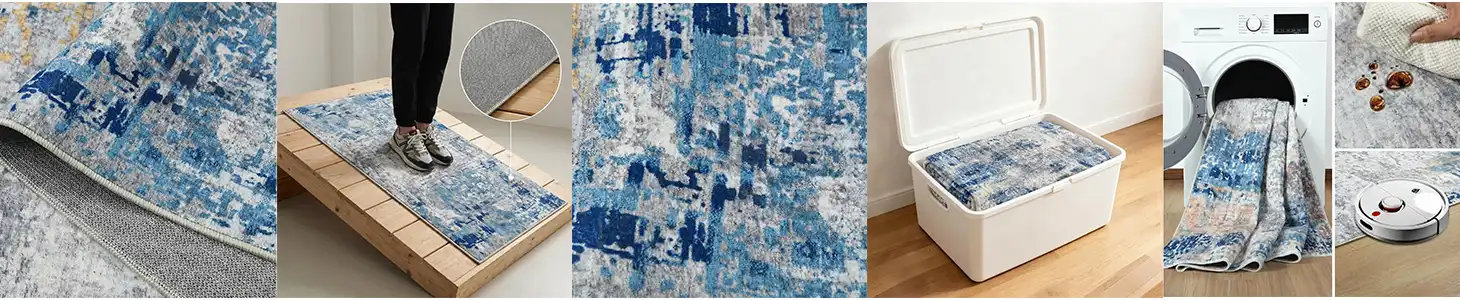
Modern mats with a Korean influence are made of modern synthetic materials that are made to last in harsh conditions. The surface is usually made of fine polyester fibers with a density of 350g/㎡. These fibers are designed to feel like cashmere while being more stain- and color-resistant. This faux cashmere construction has several benefits over natural fibers. It keeps its look even when it's being walked on a lot, doesn't soak up water that could grow germs, and is easier to clean, all of which are important for hotel lobbies and office waiting areas.
In terms of business success, the backing layer is just as important. The thermoplastic rubber (TPR) used in modern rugs is 2 mm thick. This makes a base that can be washed and is resistant to heat. It also keeps the rug from shifting on polished floors without using chemical glues. Because of how it was made, the whole rug can be washed in a machine, which is good for public areas where cleanliness is important but where traditional wool carpets would cost a lot to clean professionally.
Design Language Suited for Professional Environments
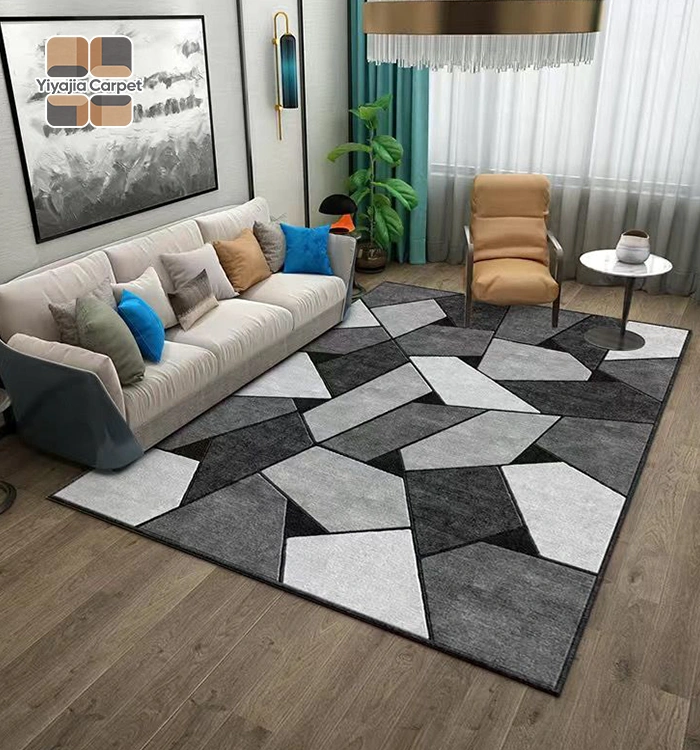
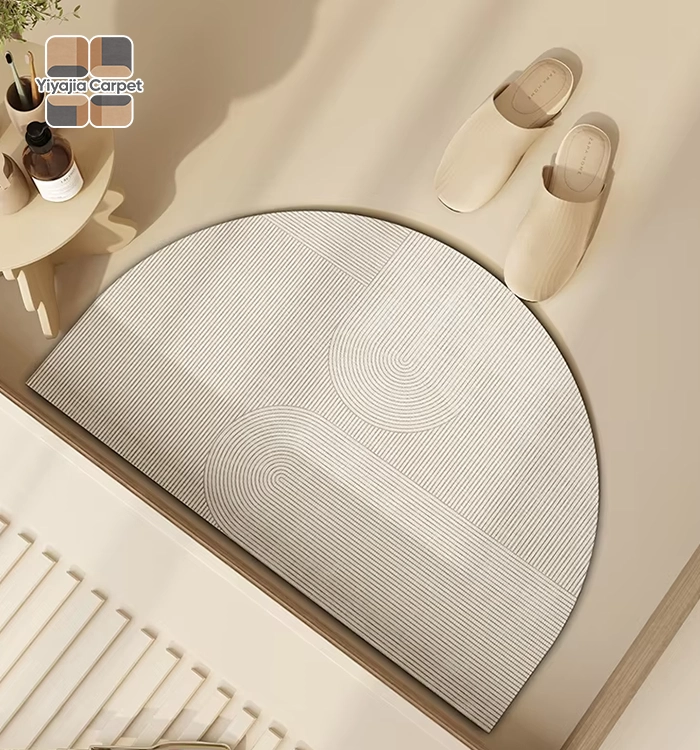
Korean-style carpets have a lot of geometric shapes, muted colors, and simple designs that go with a lot of different interior styles. The style is based on Morandi color systems, which use soft grays, beiges, and muted pastels to make spaces that are both relaxing and perfect for business or social settings. This design style is different from Persian or Turkish patterns that are very detailed. It provides a more neutral background that can work with different styles of furniture without looking old.
The lockstitched ends and short 3mm pile height give it a classy look and make it easier to clean. These building details keep the fabric from fraying even after years of use, so it always looks professional, which is what you'd expect in a business setting.
Key Criteria for Selecting Korean Carpets for Hotels and Offices
Durability Assessment for High-Traffic Applications
Rugs that look good even after being used a lot are needed in commercial settings. When choosing Korean Carpets Rugs, look at the fiber quantity and how it was put together. Machine-woven rugs made of 1000g/㎡ polyester have a higher density and are more durable than rugs with a lower density. The weaving method should make a smooth surface that won't get crushed or matted in walkways and waiting areas.
How tests are done is very important. Suppliers you can trust will give you abrasion resistance data that shows how the surface works when it's subjected to simulated foot traffic. If you want to buy something, make sure it has been tested to business standards instead of household ones. When the backing is stressed over and over, it shouldn't come apart. This is a typical sign of a bad product, where the pile breaks from the base layer under heavy use.
Another longevity factor that is often ignored at the start of the selection process is edge integrity. Lockstitched hems with a width of 0.6 cm keep the edges clean and stop tearing throughout the product's lifetime. This lowers the number of replacements needed and the long-term costs.
Safety Compliance and Health Considerations
Strict safety rules must be followed in professional settings. Korean-style rugs that are meant to be used in businesses should have multiple certifications that show they follow the rules in the area. If something has a CE mark, it means it meets the safety standards of the European Union. If it has a ROHS mark, it means it doesn't contain any dangerous materials like lead or cadmium. The OEKO-TEX Standard 100 approval is all about textile safety and makes sure that materials don't have any harmful chemicals in them at amounts above certain limits.
In hotels, where building rules require certain fire safety scores, flame resistance is very important. The EN 13501 grade gives consistent information on how well fire safety measures work. The Class Bfl-s1 rating is good for most business settings. Chemical safety standards must be met by all European markets for products that comply with REACH. This lowers the regulatory risks for international hotel chains.
The hypoallergenic qualities are good for both guests and employees. Synthetic fibers naturally don't let dust mites and mold grow like wool does, which makes them better for people who have breathing problems. Because rugs don't contain volatile organic compounds (VOCs), they don't give off any bad smells when they're first put down. This is a quality that was checked during production using ISO 9001 quality management standards.
Design Compatibility with Interior Themes
Choosing the right carpet means making sure it goes with the rest of the room's design. Korean-style designs work well in places that want a simple, elegant look or a warm, modern feel. Neutral color schemes, which usually include shades of cream, taupe, soft gray, and subtle rose, tie the whole design together without making other parts look too busy.
The ability to customize lets you match colors exactly to brand schemes. With a minimum order quantity as low as 50 pieces, reputable manufacturers offer color adjustment services, so even small hotels and regional office branches can get personalized options. Adding a logo through heat transfer printing lets you make branded welcome mats or marked areas in bigger places.
Pattern choice should take into account how it will affect people's mental health. Subtle geometric patterns add visual interest without being distracting, which is good for places like the office where attention is important. In hotel hallways, solid colors with varying textures based on pile height look classy while hiding wear patterns between maintenance rounds.
Comparing Korean Carpets with Other Popular Options for Commercial Use
Korean-Style Versus Traditional Turkish Rugs
Turkish rugs are made in a way that is different from other carpets. Traditional Turkish rugs are made from hand-knotted wool and have intricate patterns that have been developed over hundreds of years. Because they are so hard to make, they sell for a lot of money. Machine-woven Korean Carpets Rugs offer consistent quality at reasonable prices that are good for big business projects.
Different things need different amounts of maintenance. To keep them from shrinking and losing their color, Turkish wool rugs need to be cleaned by professionals, which costs more each year than the rug cost to buy in the first place. Korean-style synthetic mats can be washed in a washing machine and dry quickly, which saves money in places like hotels where quick turnover is important.
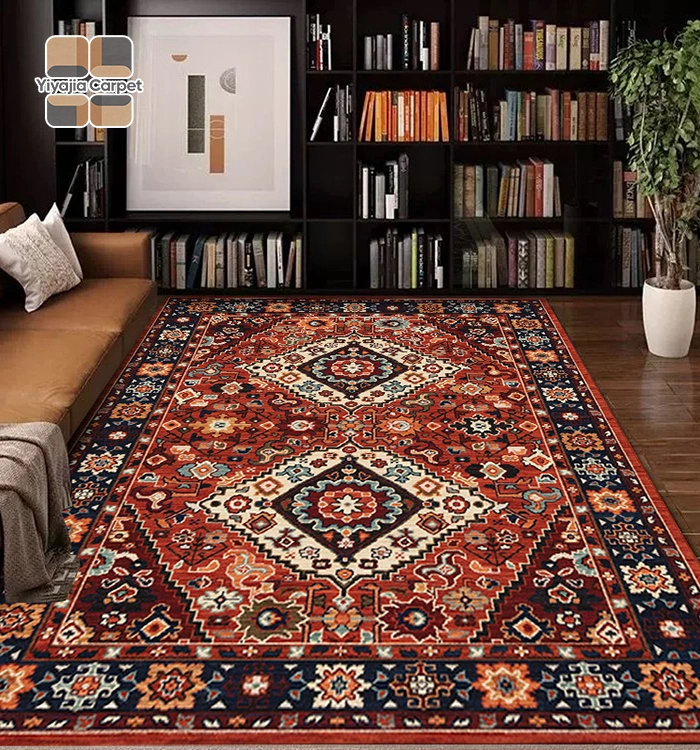
The difference in style works for different design goals. With their bright colors and intricate patterns, Turkish rugs make a statement and are perfect for boutique hotels that want to show their respect for culture. Designs inspired by Korea offer understated elegance that works well with interior design schemes instead of taking over them. This style is popular in business settings and modern hotel chains.
Machine-Made Efficiency Versus Handmade Variability
When it comes to tension, dye lot matching, and size accuracy, handmade carpets aren't always the same. While some designers like the hand-made quality, business buyers like the regularity that machine production provides. Machine-woven mats in the Korean style make sure that every piece is the same size and shape, which makes installation and repair easier in the future.
Another useful thing to think about is production ability. Facilities that produce 2,000 square meters of goods every day can handle large orders in short amounts of time, which is useful for hotel renovations or office growth in multiple locations. Handmade alternatives take months to make the same amount, which causes scheduling problems and extra costs for a short-term fix.
When keeping the same look throughout properties, it's important that the quality of each batch is the same. Machine production gets rid of the differences in skill between artisans, so the rug in an office on the twentieth floor will match exactly the one in the hallway. This level of standardization is necessary to keep a brand's identity.
Synthetic Versus Natural Fiber Performance
Natural wool has an obvious high-end look and is good for the environment, which appeals to customers who care about the future. However, engineered synthetics are often more practical from a business point of view. Polyester fibers don't get stained by common things like coffee and wine, which is important in places like restaurants and hotels where spills happen all the time. The material is naturally hydrophobic, which means that liquids can't get through it. This lets the surface dry before the liquids absorb it.
Different types of fibers accumulate allergens in very different ways. Wool's open structure traps dust, pollen, and biological contaminants, so it needs to be deep cleaned often. Synthetic materials have smooth surfaces that let dust and other particles escape when you clean them regularly. This keeps the air quality inside better with less work on your part.
A five-year cost study usually shows that synthetic choices are better than wool ones, even though wool prices were lower at first. Studies on building management show that lower cleaning costs, longer replacement intervals, and less downtime for upkeep all add up to overall cost savings of over 40%. Because of these costs, Korean-style synthetic rugs are a great choice for people who want to save money while still keeping a professional look.
How to Source and Procure Authentic Korean Carpets for Your Business
Vetting Manufacturers Through Certification and Experience
Instead of verbal promises, reliable providers show compliance through widely recognized badges. Ask for proof that Korean Carpets Rugs meet the CE, OEKO-TEX, ISO 9001, REACH, and EN 13501 standards that your target markets need. Real manufacturers keep their certificates up to date and can give you test reports from approved labs if you ask.
Quality consistency is linked to manufacturing experience. Businesses that have been around for at least 20 years have better production methods and quality control systems than newer businesses. Ask about the company's production ability. Daily output numbers like 2,000 square meters point to well-established businesses with well-developed supply lines, not traders looking to make quick money.
If you can, visit the factories where the products are made, or ask for detailed video documentation that shows the whole process, from fiber preparation to final review. Being open about how the goods are made shows that you trust the quality, while reluctance points to possible problems that you should look into before making a pledge.
Customization Capabilities Matching Project Requirements
Standard products often need to be changed for commercial projects. Check out how flexible producers are with tailoring in a number of areas. Size changes should be able to fit into odd-shaped spaces without adding too much waste or seaming. Color matching services let you work with well-known brand colors, and you can see how accurate the matches are with real models before they are made in large quantities.
The ability to integrate logos opens up more branding options. Heat transfer printing lets you make complicated designs with gradients and many colors, and you don't have to buy a certain number of items in order to use this method. Confirm response times. For example, seven days for customizing a logo lets you finish a job quickly without having to worry about inventory.
Accessibility for smaller sites is based on minimum order amounts. Companies that let you customize sizes and colors for as few as 50 pieces can make personalized solutions possible for boutiques, while companies that need 500-piece orders can only serve big chains. This freedom is especially helpful for Korean-focused brands that want to see how the market reacts before going live on a large scale.
Navigating International Logistics and Compliance
Buying things internationally is more complicated than buying things locally. Reliable makers take care of the export paperwork that is needed to get goods through customs, such as business invoices, packing lists, and certificates of origin. They should tell you how to classify textile imports for tariff purposes and what the duty rates are in the country where you are going.
The way a product is packed affects how it looks when it arrives. Export-grade packaging that keeps out wetness and doesn't break easily keeps things from getting damaged during ocean freight. Manufacturers who figure out the best way to load containers get the most out of each shipment and lower logistics costs per unit by making smart use of space. Find out if they offer both full container and less-than-container load choices so that you can choose the right size for your order.
Being clear about when things will be delivered builds trust and lets you plan projects correctly. Established sellers stick to production plans and give you information at key points, which lets you coordinate installation teams and get your facility ready. Uncertain delivery estimates mean that there could be delays that cause problems with openings and finishing renovations.
Best Practices and Case Studies: Korean Carpets in Hotel and Office Environments
Hotel Lobby Transformation Through Strategic Rug Selection
Choosing the right rugs can completely change the look of a hotel lobby. A small hotel company just finished remodeling three buildings to appeal to the growing number of Korean tourists. The design team chose Korean Carpets Rugs with soft gray geometric patterns to make the entrances feel warm and inviting. The fake cashmere surface felt as soft and plush as guests expected, and the TPR backing kept it from moving on marble floors without damaging the floor adhesive.
Performance was better than expected in a number of ways. After 18 months, the rugs were still in good shape after 200 or more daily check-ins. Cleaning teams said they were able to clean up more quickly because spills could be cleaned up with damp cloths instead of using extraction equipment. Overall, guests were happier with the mood in the lobby (12%) than they were with the old flooring. Several online reviews praised the "cozy, welcoming atmosphere" that the soft floor coverings provided.
The ability to make changes was useful when the hotel added customized doormats that were the exact colors of the company's logo. The 50-piece minimum order made personalization affordable in all three locations without having to keep extra items on hand. When people first walked into a property, the logo helped them remember the brand.
Office Environment Enhancement Promoting Employee Comfort
A tech company that was remodeling its headquarters put Korean-style rugs in places where people could work together and take breaks. In a building with 200 employees, the design goal was to find a mix between aesthetic warmth and practical upkeep. Modern architectural finishes looked great with rugs in cream and taupe tones, which also helped define functional areas in open floor plans.
Employee feedback pointed out benefits that were not expected. When team members held standing talks on soft areas instead of hard floors, they felt less tired. It became clear that the acoustics were better, and conversations in nearby workstations were more private because the sound was absorbing. Because the material was plastic and easy to clean, coffee spills no longer needed help from facility management. Instead, employees used paper towels to clean up small mistakes.
Durability testing happened easily as the product was used every day. Even though they were constantly being walked on in break areas for three years, the rugs showed almost no wear. The edges that were lockstitched stayed together without fraying, and the colors stayed bright even after being exposed to fluorescent lighting. The company thought that replacement wouldn't be needed for another two years, giving the product a five-year lifetime that made the initial investment worth it.
Practical Procurement Checklist for Decision-Makers
Based on what has worked in the past, procurement managers should check these things before committing to buying Korean-style carpet. Make sure that all safety certifications meet the standards of your business and the building codes in your area. Instead of using pictures, ask for samples of the material to see how it feels, how true the colors are, and how well it's built. Look at the customization options that fit the needs of your project, such as the ability to change the size, get colors matched, and add your logo.
Make sure that the minimum order amounts and how they affect the cost per unit are clear, and that they work with your budget and room needs. Learn about the production schedules from the time the order is confirmed until it is delivered, including the time it takes to make a sample if customization is needed.
Review the insurance terms that cover problems with the way the product was made and performance guarantees, along with clear steps for dealing with quality issues. Check the supplier's track record by calling references from similar businesses to make sure they are reliable and provide good service, not just what they say on their website.
Conclusion
When choosing Korean Carpets Rugs for hotels and companies, you have to think about both how they look and how well they work. Modern rugs with Korean influences have soft faux cashmere tops and strong TPR bottoms, making them suitable for business settings. Their clean, simple designs go well with modern rooms and are safe because they have been certified in many ways.
The synthetic construction is easier to clean and maintain than natural fibers because it doesn't stain and can be washed in a machine, which lowers costs. For procurement to go well, you need to work with experienced manufacturers who can offer customization options, clear logistics, and quality assurance. By checking for longevity, compliance, design compatibility, and source trust, people making decisions can be sure that these floor coverings will work in places like hotels and offices.
FAQ
What makes Korean-style rugs suitable for commercial environments?
Korean Carpets Rugs are made of synthetic polyester, which makes them durable and easy to clean. The short pile height and lockstitched ends make it durable in high-traffic areas, and the machine-woven design makes sure that the quality is the same across big orders. The TPR backing keeps the rug from slipping on hard surfaces without the need for glue, and the whole thing can be washed in a machine for easier cleanliness management.
How do certifications impact procurement decisions?
Safety certificates show that rugs meet the rules in the area for business installations. European compliance is shown by the CE mark, cloth safety is guaranteed by OEKO-TEX, and fire protection is rated by EN 13501. These certifications make sure that products work as promised and lower the risk of being sued, so they are important factors to consider when comparing suppliers.
Can Korean-style rugs accommodate branding requirements?
Modern makers let you make changes, like adding a name, by using heat transfer printing. This technology lets you make designs with a lot of colors and complicated shapes at low minimum order quantities. Custom color matching lets you work with well-known brand palettes, so hotels and offices can use floor coverings to reinforce their visual identity.
Partner with Yiyajia Carpet for Your Korean-Style Flooring Solutions
Yiyajia Carpet is a trusted Korean Carpets Rugs supplier that has been making products for 20 years and has worked with commercial and hotel clients around the world. Every day, our production facility makes 2,000 square meters, which means that projects of any size can be finished quickly. We keep a lot of certifications, like CE, OEKO-TEX, ISO 9001, REACH, and EN 13501, which means that your installations will always meet the highest safety and environmental standards in all international markets.
Customization options include changing the size, matching the color, and adding a brand. You can order as few as 50 pieces, and your order will be ready in seven days. Our faux cashmere surface and washable TPR backing give business settings the longevity and ease of upkeep they need. Please email our team at sale@yyj-carpet.com to talk about your project needs and get samples that show the quality that makes Yiyajia a reliable manufacturer for Korean-style flooring solutions.
References
1. Kim, S. & Park, J. (2021). Modern Textile Innovations in Korean Interior Design. Seoul: Asian Design Press.
2. Thompson, R. (2020). Commercial Flooring Selection: Materials and Performance Standards. New York: Hospitality Management Publishers.
3. Chen, L. (2022). Sustainable Practices in Synthetic Fiber Manufacturing. Journal of Textile Engineering, 48(3), 127-145.
4. Martinez, A. (2019). Hotel Interior Design Trends: Asia-Pacific Markets. Singapore: Regional Hospitality Research Institute.
5. Nakamura, H. (2023). Fire Safety Compliance in Commercial Textiles. London: International Building Standards Association.
6. Williams, D. & Foster, K. (2021). Cost Analysis of Commercial Floor Covering Lifecycle. Facility Management Quarterly, 35(2), 88-103.