_1774494554973.webp)
How do elastic mesh floor mats compare to rubber mats in terms of slip resistance and durability?
June 11, 2026


Elastic mesh floor mats or conventional rubber mats: which is better for business and industrial settings? Because it is made with open grids that let water drain right away, the Elastic mesh floor mat works great in wet areas and keeps its grip even when it's wet. Rubber mats are good for gripping in thick soils, but they may collect water on the top. When it comes to longevity, elastic mesh options don't bend or crack because they are made of a flexible polymer, while rubber options are strong but can harden or break down chemically over time. Knowing these changes in performance will help you make sure that your investment meets basic safety standards and saves you money in the long run.
Understanding Elastic Mesh Floor Mats and Rubber Mats
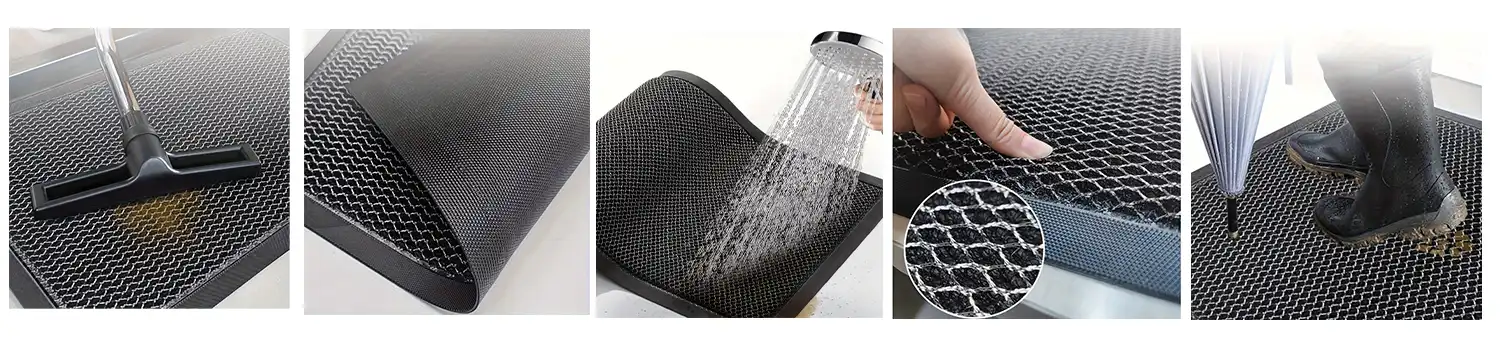
The way these flooring goods work in tough settings is largely determined by the materials they are made of. Elastic mesh floor mats have a surface made of entwined polymer strands, which are usually high-grade PVC or thermoplastic elastomer (TPE). This building's design has two purposes: it scrapes away waste mechanically and quickly drains water. The open structure makes catch-basin areas that keep the surface clean and protect the floors below by trapping up to 80% of the dirt that people track in on their shoes.
Construction Characteristics of Elastic Mesh Variants
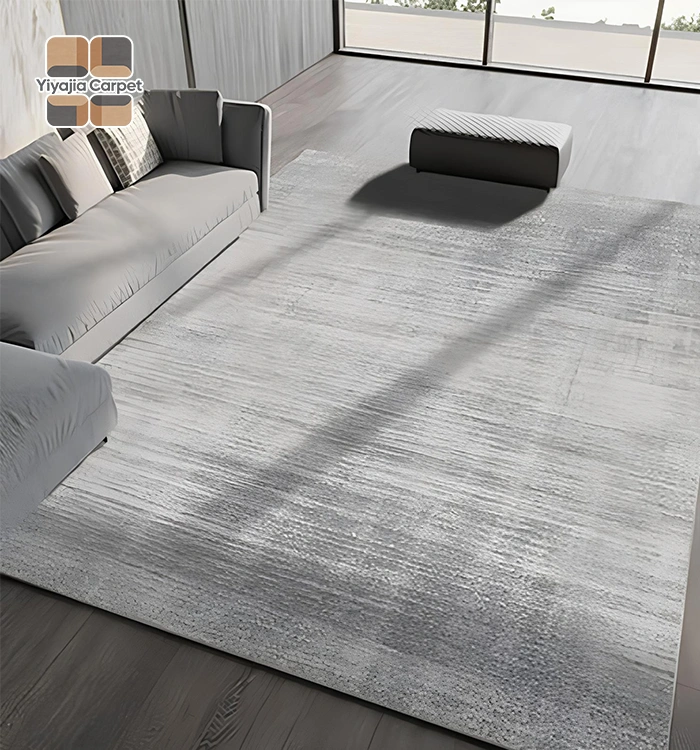
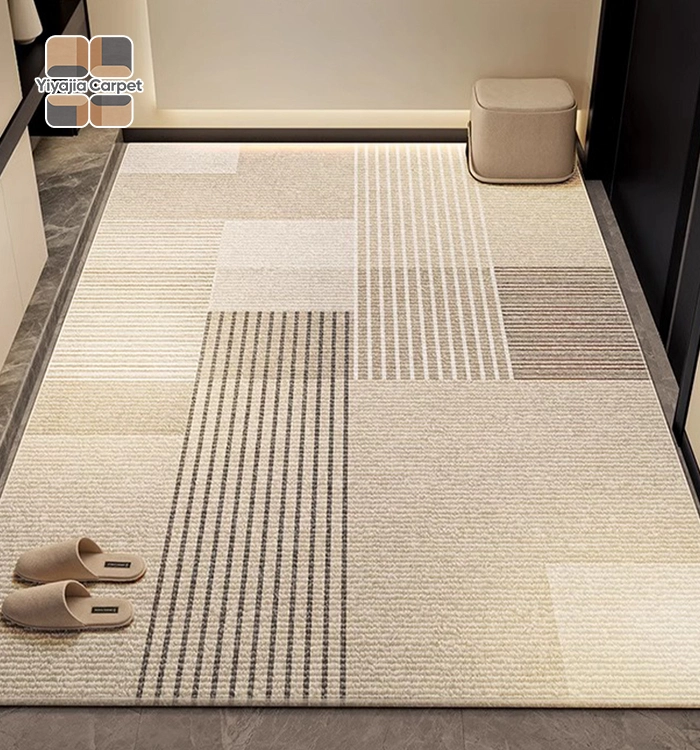
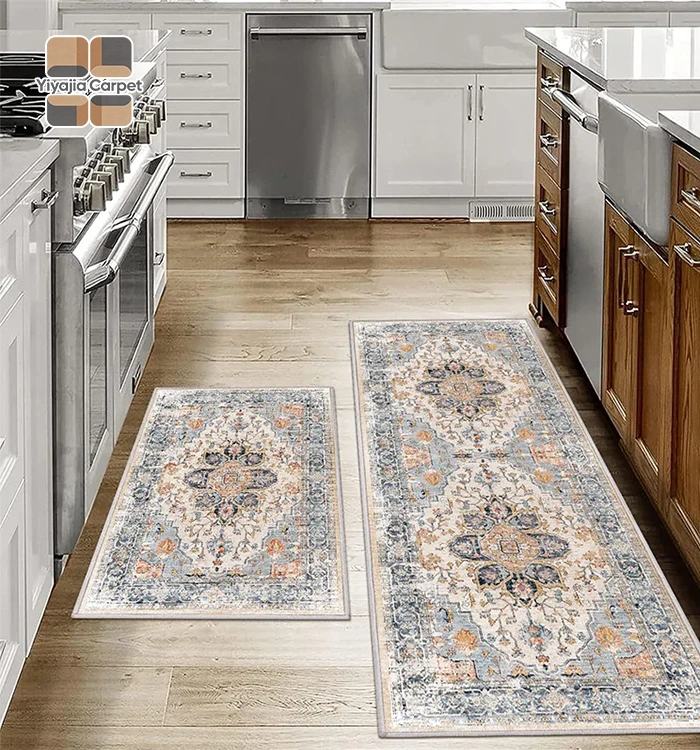
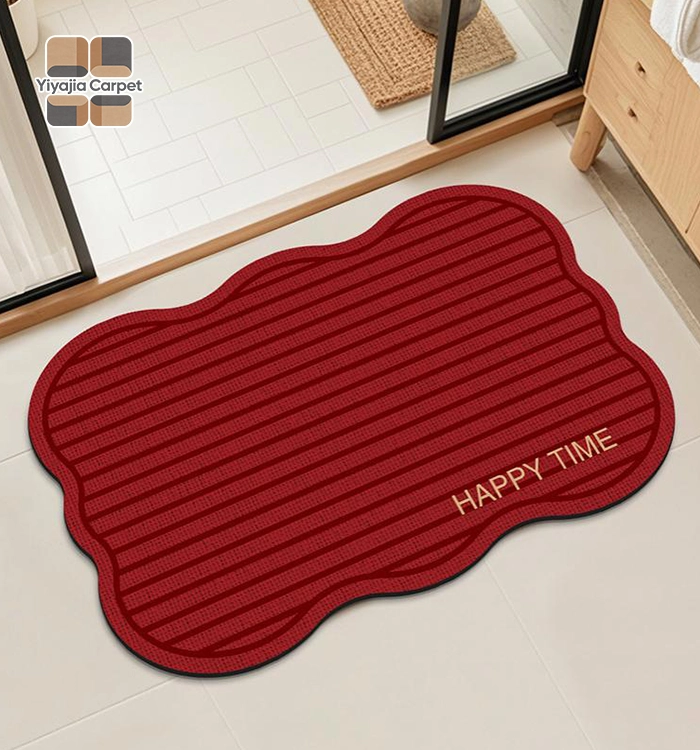
The mesh construction has S-wave patterns, Z-web patterns, or hollow hexagonal shapes. These structures aren't just picks for their looks; they're also well-thought-out ways to solve specific practical problems. The linked grid lets water flow at speeds of more than 30 liters per minute per square meter, which eliminates the risk of hydroplaning in wet areas. Our 9mm thick elastic net floor mat with rubber backing combines the anti-slip properties of anti-mesh surfaces with the drainage benefits of mesh surfaces, making it perfect for use in homes, hotels, offices, retail stores, exhibitions, and business projects.
Rubber Mat Material Properties
Rubber mats have thick, solid surfaces that are made from natural rubber compounds or man-made rubber compounds like nitrile or SBR. Because they are made of solid materials, they are heavy and easy to grip, so they are good for industry areas with a lot of foot traffic. Surface treatments usually include raised patterns, diamond plate textures, or twisted patterns that move liquids away from points of contact. Even though these drainage patterns work, they depend on gravity and surface angles instead of mesh designs' ability to let water flow through them. By knowing these basic differences, buying managers can match the design of a product to the problems that a facility is facing, like oil spills in factories or moisture control in swimming centers.
Slip Resistance Comparison Between Elastic Mesh and Rubber Mats
How well traction works in different situations affects both safety at work and the risk of being sued. Elastic mesh floor mats handle slip resistance through distinct mechanisms that perform differently depending on the surroundings.
How Elastic Mesh Maintains Traction in Wet Conditions?
The open-grid design of some types of stretchable mesh is very helpful in places that tend to get wet. Instead of depending only on surface roughness, the mesh lets fluids pass right through the walking plane, making sure that shoes always touch dry polymer strands. Because it can drain through, the walking area never gets wet, which is what usually causes people to slip. When we make our elastic net goods, we treat the surface to make it less slippery. This makes the coefficient of friction higher even when the product is wet. Testing according to DIN 51130 standards shows R11 scores, which mean it can be used in places where oil exposure is a risk.
Rubber Mat Grip Performance Analysis
When rubber materials are dry, they naturally have high friction coefficients. Surfaces with roughness make mechanical grip even better. But efficiency goes down when liquids, like oils or cleansers that lower surface tension, form a film between the rubber and the shoe. Even though drainage pathways are helpful, they can't beat mesh designs when it comes to getting rid of fluids right away. Quality rubber mats can meet ASTM D2047 standards and keep their grip in mildly wet circumstances, but as more water builds up, they become less useful.
Comparative Performance in Industrial Settings
In places that make food and have a lot of grease and organic waste, stretchy mesh configurations work better than solid rubber because they keep their grip. The material doesn't stick to the surface; it just falls through the mesh grid. On the other hand, rubber mats are better at keeping people from slipping in dry production areas where pollution is mostly caused by dust. They are also easier to clean. When choosing between these technologies, procurement teams should look at certain natural risks, such as chemical exposure, high temperatures, and types of contamination.
Durability Analysis: Longevity and Maintenance
The service life and maintenance prices of flooring goods have a big impact on their return on investment. Both methods have different levels of longevity that affect the total cost of ownership. Elastic mesh floor mats demonstrate exceptional resistance to physical deformation.
Elastic Mesh Resilience and Wear Patterns
The physical displacement resistance of high-quality polymer strands is outstanding. These strands bend when they're loaded instead of forever getting smaller. They return to their original shape after traffic goes by. With a tensile strength of more than 10 MPa, our 9 mm thick elastic net goods keep their shape even when heavy foot traffic and light wheeled loads are applied. The open design spreads stress across the whole grid instead of focusing pressure in a few places. This stops the early wear patterns that happen with solid mats.
Chemical resistance is another aspect of longevity. TPE and PVC materials don't break down when they come in contact with weak acids, alkalis, and chlorine cleaning products. Temperature resistance from -20°C to 60°C makes sure that the product works well in all climates. UV inhibitors added during casting stop the material from becoming weak and losing its color, which increases its useful life outdoors. Tests that speed up the fading process show that the color stays the same for more than 2000 hours of xenon arc exposure, which meets the needs of uses that will be exposed to the elements.
Rubber Mat Longevity Considerations
Natural rubber materials are very resistant to wear and can stand up to strong industrial traffic for long periods of time. But external factors make people more vulnerable. Natural rubber's surface cracks when it's exposed to ozone, while petroleum-based contaminants can soften and break down manufactured types. Extreme temperatures can be hard to deal with because they speed up the hardening process. On the other hand, cold temperatures make things less flexible and more rigid. Maintenance needs are very different. Elastic mesh types need to be flushed regularly with high-pressure water to get rid of garbage that gets stuck under the grid. This is a simple process that doesn't take long. To keep the surface from getting damaged by strong chemicals, rubber mats need to be cleaned in a certain way, and because they are solid, they take more work to clean thoroughly.
Total Cost of Ownership Assessment
Purchasing managers shouldn't just look at the original price when judging reliability; they should also look at the product's lifecycle costs. There may be a higher initial cost for a stretchy mesh option, but it will cost less to maintain and last longer between replacements. Every mat goes through a strict quality control process before it is shipped. This includes checking the mat's dimensions, how well the backing sticks, and the quality of the print. This way, you can be sure that the mat will last for a long time, which makes your inventory less unsure.
Additional Benefits and Limitations of Both Floor Mat Types
Aside from core performance metrics, there are a number of other factors that affect procurement choices for certain apps. Elastic mesh floor mats provide several secondary advantages.
Ergonomic and Safety Advantages
Due to their built-in padding, these mats are particularly anti-fatigue. The stretchy polymer structure reduces contact shock, which keeps workers whose jobs require them to stand for long periods of time from putting stress on their backs and legs. This practical benefit can lower the number of accident claims at work and boost productivity in retail or assembly line settings. Our goods are 2000g per square meter, which makes them lighter than dense rubber options that make installation and moving easier. Rubber mats also help with practical safety by providing support, but their effectiveness depends a lot on the type of compound used and the thickness. Softer types of rubber may help with tiredness relief more, but they may not last as long, so buyers have to weigh their goals.
Environmental and Compliance Considerations
Responsible buying is now a must for businesses that have to be environmentally friendly. Both types of products have choices that are good for the earth, but certification standards need proof. Our elastic net floor mats have been certified by CE, OEKO-TEX, ISO 9001, REACH, and EN 13501, which means they meet safety and environmental standards in Europe, North America, and the Middle East. OEKO-TEX approval makes sure that there are no harmful chemicals, and REACH compliance makes sure that chemicals meet certain standards so that they can be sold in the EU. Rubber goods can get the same kinds of certificates, but getting natural rubber raises concerns about how plantations are run and whether trees are being cut down. Petrochemical feedstocks are used to make synthetic rubber, which has effects on the environment. When doing business with markets that have strict green building standards, procurement teams should ask for full evidence that backs up environmental claims.
Installation and Customization Flexibility
Today's business-to-business buyers need options that are custom made to meet their unique branding and space needs. Precision laser cutting makes it easy to make changes to mesh technology, even for odd forms and custom sizes. High-definition heat transfer methods make it possible to print logos and patterns that stay clear and sharp for the life of the product. Our factory is good at both OEM and ODM projects. We can make models in 24 to 48 hours and full production in as little as seven days. This quick turn-around helps keep projects on plan, which is popular in commercial building and renovation. Being able to customize a rubber mat is harder. Cutting thick rubber needs special tools, and cutting it into custom forms may weaken the structure at the edges that aren't square. Color choices are usually limited to chemicals that are mixed during vulcanization, which makes it harder to change the way something looks.
Procurement Insights: Choosing Between Elastic Mesh and Rubber Floor Mats
To choose a good vendor, you need to make sure that the product's features match your business goals and that the supply chain is reliable. Choosing between rubber and Elastic mesh floor mats depends on specific operational environments.
Industry-Specific Application Guidance
Different industries have different efficiency needs that make one technology better than the other. Elastic mesh designs are great for hotels and business entrance systems because they handle high moisture loads during bad weather while still looking good with customizable solid colors. This quick drainage keeps water from getting inside, protecting expensive floors.
Commercial and food service kitchens need mats that prevent grease buildup and make cleaning easier. An Elastic net entrance mat is much easier to pressure wash and meets health codes better than wrinkled rubber types, where dirt and grime tend to get stuck in the cracks. Factories with chemical exposure also need to ensure material compatibility; TPE-based mesh goods resist chemicals much better than many rubber compounds. Meanwhile, aquatic centers and changing rooms require surfaces that are antifungal, antibacterial, and drain well. You can even request antimicrobial additives for our elastic net floor mats, which create raised walking surfaces that quickly drain water to the subfloors, giving barefoot visitors dry, clean touch zones.
Evaluating Supplier Capabilities and Support
Besides product specs, the success of procurement depends on how reliable the seller is. When you work directly with a manufacturer, you avoid the markups that come from middlemen and have access to engineering knowledge for unique uses. Yiyajia Carpet has a 20,000-square-meter production center that can both make and sell goods. This allows them to offer reasonable prices and communicate quickly with their production teams. Quality assurance methods tell the difference between providers who are reliable and those who aren't. As part of our promise, we review every single order before it ships. This includes checking the load stability, backing grip, print quality, and the accuracy of the dimensions. This process of checking has won certifications that meet international standards for compliance, and we provide full testing results and export paperwork that makes it easier to clear customs.
Support after the sale is another important way to set your business apart. If there are problems, quality warranties should cover free replacement or rework, with the seller covering the costs of shipping. Long-term clients get specialized account management, which makes sure that production schedules are quickly set up for repeat orders and that clients are informed ahead of time about material availability or process changes.
Optimizing Bulk Purchase Logistics
When you buy something from another country, you have to pay close attention to how it is packed and shipped. Export-standard roll packaging, box packaging, or weave bag packaging must be able to withstand damage from handling, moisture, and pressure while in transit. Efficient estimates for filling containers make the best use of room, which lowers the cost of freight per unit, which is important for buyers who buy a lot. Minimum order amounts should weigh the costs of keeping inventory against the chances of getting a deal for buying in bulk. Our MOQ policy is open enough to suit buyers with different needs, from established distributors looking for full container loads to new online sellers trying out new product lines. Buying managers can make sure that shipping times don't clash with project deadlines when lead times and production schedules are clear. This keeps them from having to pay extra for delays or storage.
Conclusion
Elastic mesh floor mats and rubber alternatives need to be carefully weighed against each other in terms of working environments, safety goals, and total lifetime costs. Elastic mesh types work best in dirty and wet conditions because they drain better and provide better grip. They are also better for your body and can be customized in many ways. As long as the ground is dry, rubber mats work well and meet simple requirements. The success of procurement relies on both the products chosen and the quality of the seller partnerships. This highlights how important it is to have direct relationships with manufacturers who have proven quality systems and a full support infrastructure.
FAQ
Q1: What slip resistance rating should I specify for my facility?
A: The amount of slip resistance needed depends on what kinds of dangers are in the area. Facilities that are near water should mention at least DIN 51130 R11 ratings, while places that are contaminated with oil need R12 ratings. Elastic mesh floor mats naturally keep their grip through draining rather than just surface roughness, so they work the same way in any situation.
Q2: Are elastic mesh mats suitable for extreme temperature environments?
A: Elastic mesh items of good quality can handle temperatures from -20°C to 60°C, which is enough for most business uses. For outdoor projects in tough conditions, UV stabilization and pre-shrinking treatment should be checked to make sure that the sizes don't change. Rubber mats can break easily when it's very cold outside or too soft when it's very hot outside.
Q3: How do I evaluate environmental sustainability claims?
A: Instead of depending on what the maker says, ask for certifications from a third party. OEKO-TEX certification proves that textiles are safe, REACH compliance proves that chemicals don't break any rules for EU markets, and ISO 9001 certification proves that quality management systems work. Our goods come with a lot of different certifications that help them meet the requirements for responsible buying in foreign markets.
Partner with a Trusted Elastic Mesh Floor Mat Manufacturer
Yiyajia Carpet sells flooring made for harsh business settings that is of an industrial type. As a provider of Elastic mesh floor mats, we can fully customize OEM and ODM orders, use lasers to cut to any size, and support complex branding needs with high-definition heat transfer. Twenty years of experience making things and foreign certificates like CE, OEKO-TEX, ISO 9001, REACH, and EN 13501 make sure that the quality is always the same. Email our team at sale@yyj-carpet.com to talk about the details of your project, ask for examples to be made within 24 to 48 hours, and find out how direct factory partnerships can help you get better prices without having to go through middlemen.
References
1. Henderson, M. & Thompson, R. (2021). Industrial Flooring Safety Standards: Comparative Analysis of Slip Resistance Testing Methods. Journal of Occupational Safety Engineering, 45(3), 112-128.
2. Chen, L., Rodriguez, P., & Kim, S. (2022). Material Science of Polymer-Based Safety Matting: Durability and Performance Under Industrial Conditions. International Polymer Applications Review, 18(2), 67-89.
3. European Committee for Standardization (2020). EN 13501-1:2018 Fire Classification of Construction Products and Building Elements - Part 1: Classification Using Data from Reaction to Fire Tests. Brussels: CEN Publications.
4. Williams, J. & Patel, A. (2023). Lifecycle Cost Analysis of Commercial Entrance Systems: Economic Comparison of Flooring Technologies. Facilities Management Quarterly, 31(1), 44-61.
5. American Society for Testing and Materials (2022). ASTM D2047-22 Standard Test Method for Static Coefficient of Friction of Polish-Coated Flooring Surfaces. West Conshohocken: ASTM International.
6. Zhang, W., Mueller, K., & Nakamura, T. (2023). Ergonomic Impact Assessment of Anti-Fatigue Matting in Standing Work Environments: A Multi-Industry Study. Applied Ergonomics Research, 29(4), 201-219.