_1774494554973.webp)
Durable utility door mats for industrial environments
August 20, 2026


Industrial facilities face relentless challenges at their entry points. A utility door mat designed for industrial environments functions as a critical barrier against dirt, moisture, and abrasive contaminants that otherwise accelerate floor wear and compromise worker safety. These specialized mats capture up to 80% of debris within the transition zone, dramatically reducing cleaning costs while preventing slip-and-fall incidents. Choosing the right industrial-grade matting system balances material durability, chemical resistance, and maintenance requirements, delivering measurable ROI through extended floor lifespan and decreased janitorial labor expenses.
Understanding Durable Utility Door Mats for Industrial Use
Choosing durable utility door mats for business use requires distinguishing them from decorative floor coverings. We make these products to last in harsh conditions that would destroy regular rugs in weeks.
Defining Industrial-Grade Door Mats and Their Purpose
When placed in areas with a lot of foot traffic, industrial door mats work as engineered soil containment systems. These goods collect dust and dirt, soak up water, and make surfaces that people can walk on without slipping safe for people moving between settings. Mats that can handle forklift traffic, chemical spills, and constant foot traffic over 500 passes per day are needed in manufacturing plants, warehouses, distribution centers, and commercial building sites. The technical specification is more concerned with mechanical strength than with how it looks. It puts safety and longevity ahead of looks.
Material Science Behind Industrial Durability
Different types of materials are used to solve different problems in industry. Traditional rubber backing is very stable and doesn't react badly with chemicals, especially when it's made with nitrile materials that don't react with petroleum products. Modern thermoplastic rubber (TPR) options work just as well but are more flexible across a wider range of temperatures, keeping their shape from -20°F to 140°F. What the surface is made of affects how well it scrapes.
Polypropylene fibers are hydrophobic, so they dry quickly and don't break easily under heavy loads. Modern composite materials use both manufactured fibers and recycled rubber, which meets green goals without lowering toughness standards. The choice of material has a direct effect on wear resistance. For commercial-grade requirements, face weights must be between 24 and 36 ounces per square yard to ensure service life of more than one year.
Construction Features That Enhance Performance
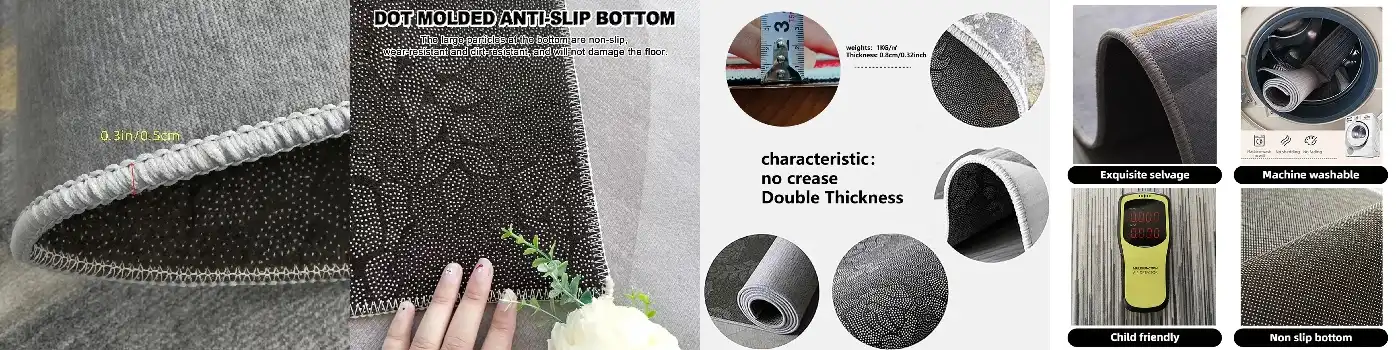
Bi-level construction is a big step forward in the technology of mats. The waffle design, also called geometrical weave, makes raised scraping surfaces above recessed channels that catch dirt below shoe level, so people can't go back to clean areas. The thickness of the backing is very important. For workplace mats, 3/8-inch to 3/4-inch profiles with beveled sides that meet ADA standards are usually required.
Edge curling is a common problem with cheap goods that can cause people to trip. Reinforced border construction stops this from happening. When high-quality makers attach surface materials to backing layers, they use heat-bonded or vulcanized methods. This keeps the layers from coming apart, which happens with lower-quality goods that are cleaned with water a lot.
How to Choose the Best Utility Door Mat for Industrial Environments
Picking the best utility door mat for places of work involves more than evaluating the original purchase price. The total cost of ownership includes how often it needs to be replaced, how much it costs to maintain, and how much you could be sued for.
Evaluating Core Performance Metrics
ASTM standards are used to test wear resistance. Accelerated abrasion cycles are used to simulate years of traffic. Industrial products should have limited pile decline after 100,000 traffic cycles and should be able to scrape effectively throughout their service life. Utility door mat products are no exception to these requirements, as their daily exposure to foot traffic and debris makes durability and sustained scraping performance critical. Coefficient of friction testing is used to measure slip resistance. To meet NFSI high-traction standards, industry standards call for ratings that are higher than 0.6 in both dry and wet circumstances.
Different types of mats can hold different amounts of water. Mats with water dam edges can hold up to 1.5 gallons per square yard, keeping water from moving outside the matting zone. The mat won't spread or shrink when the temperature changes because it has dimensional stability. This keeps people safe and increases the area it covers.
Comparing Material Options for Specific Conditions
Rubber compounds work well in places where they are exposed to oil, grease, and chemicals, but to make the right design, you need to know the differences between SBR and nitrile formulas. Nitrile rubber can stand up to petroleum products and harsh chemicals that break down SBR materials. This is why it is so important in chemical processing plants and auto plants. Polypropylene surfaces dry quickly and don't let mildew grow, making them perfect for places that get wet a lot or don't have a lot of time to dry between shifts.
Coir matting, which is made from coconut husks, is good for rough scraping in dry outdoor settings but breaks down quickly when it stays wet. When looking at sustainability needs, we suggest options with recycled rubber content that keep tire waste out of landfills while still performing as well as new materials.
Matching Mat Types to Application Requirements
Lower-profile mats that are good at absorbing moisture are useful in indoor transition zones because they keep tracked-in water from getting to smooth floors inside. Outdoor systems need to be built to withstand the weather, drain well, and not break down when exposed to UV light. Open-grid designs let water pass through during rainstorms. Heavy industrial areas with forklift traffic need stronger constructions that can handle wheeled loads. These usually have solid rubber surfaces instead of textile ones. The right size is based on the amount of traffic—industry standards say that sites with more than 200 daily entries should have mats that are 12 to 15 feet deep. This gives the dirt enough time to be removed.
Maintenance and Longevity: How to Clean and Care for Industrial Utility Door Mats
How to clean and take care of industrial utility door mats so they last longer requires routine maintenance plans that are specifically made for industrial contaminants. We've come up with tried-and-true ways to keep the mats working while cutting down on labor costs.
Daily and Periodic Cleaning Protocols
As part of daily maintenance, industrial vacuum systems with beater bars that pull debris out of deep passageways are used to remove dirt mechanically. High-traffic areas benefit from cleaning breaks in the middle of shifts that keep the surface from getting too dirty, so scraping works well during all operating hours. Different types of materials need different deep cleaning methods every week. For example, polypropylene mats can be cleaned with hot water, but oily areas need pressure washing with degreasing compounds on rubber-backed systems.
Some mats are damaged by automated scrubbing equipment, so we list cleaning methods that are safe for each product's design. Choosing the right chemicals is very important. Harsh solvents break down synthetic fibers and backing adhesives, but pH-neutral formulas clear contaminants safely without damaging the materials.
Recognizing Replacement Indicators
Performance decline shows up as visible signs that something needs to be replaced. Pile crushing happens when fibers don't bounce back after being compressed, which makes scraping useless and lowers the fabric's ability to hold water. Border separation or curling causes trip dangers that put facilities at risk of liability claims and need to be fixed right away, no matter how much life is left on the mat.
When backing materials get worn down and become smooth, or when dirt and grime build up and make surfaces slippery, cleaning them won't help. For a utility door mat, these same failure modes are especially critical because its primary functions—scraping debris and providing traction—depend entirely on surface integrity. It's a sign of structural failure when you can see the backing material through worn areas of the surface.
However, this doesn't happen very often with good products before other signs show that they need to be replaced. As part of planning for purchases, replacement dates should be set up based on the manufacturer's recommended lifespan and the amount of traffic. This way, security will be maintained without having to buy expensive replacements in an emergency.
Strategic Procurement and Inventory Management
Strategies for ordering in bulk lower unit costs and make sure that replacements are available when they are needed. We suggest keeping a rotating collection that can be replaced on a set plan during slow times so that operations don't have to be interrupted during busy times. Facilities with multiple entry points benefit from replacement cycles that are spaced out over time. This spreads out capital costs over several budget periods while keeping protection levels constant. Long-term ties with suppliers allow for customized production schedules that work with building repair schedules. This cuts down on lead times and the cost of keeping inventory on hand.
Leading Brands and Supplier Comparison for Industrial Utility Door Mats
Comparing the best brands and suppliers of industrial utility door mats helps procurement teams find providers that meet their needs and follow the right buying procedures.
Established Brand Offerings and Innovations
3M's material science knowledge is applied to commercial mats by companies like Scotch-Brite, which offers patented fiber technologies that don't get matted and keep scraping effectively longer than other options. Gorilla Grip designs its goods for heavy-duty consumer uses that work well in light industrial settings. The company focuses on tough textures and weather protection.
Rubber-Cal specializes in recycled rubber mixtures that can be used for outdoor industrial installations. They can also be made to order in sizes that work with non-standard entryways. Each maker sets themselves apart by using their own special blends of materials or building methods. However, to be sure of the performance, you should rely on independent tests instead of just believing what the manufacturer says.
Supplier Selection Criteria Beyond Product Quality
When replacement plans depend on knowing when parts will arrive, delivery dependability affects how the building works. We give more weight to suppliers whose on-time delivery rates are consistently higher than 95% and who have clear order tracking systems that let us make proactive changes to our schedules. When a building has to follow safety rules or environmental standards, certification paperwork is very important.
For example, suppliers should be able to easily give NFSI slip-resistance ratings, flammability test results that meet DOC-FF-1-70 standards, and environmental certifications like OEKO-TEX for buildings that are worried about chemicals. After-sales support is what sets strategic partners apart from commodity suppliers. Quick technical support helps choose the right products for each application, and flexible return policies lower the risk of trying out new solutions.
Successful Procurement Case Applications
Strategic supplier consolidation helped a Midwest distribution center cut its yearly matting costs by 40%. They were able to do this by getting volume discounts across multiple sites and standardizing specs, which made it easier to keep replacement inventory on hand. The purchasing team set performance standards based on lowering slip-and-fall incidents, using safety data to prove ROI instead of just looking at the initial cost. In a different example, a chemical processing plant worked with a specialty supplier that offered custom sizes and nitrile rubber formulations.
This got rid of the safety risks that came from standard products that didn't fit right and increased the service life from 18 months to four years in high-exposure areas. Even in these optimized procurement strategies, the utility door mat remains a critical baseline item—its performance directly affects both safety metrics and replacement frequency, making it a key focus for cost-benefit analysis across all facility types.
Top 5 Durable Utility Door Mats for Industrial Environments in 2026
Comparing the five most durable utility door mats for work environments in 2026 makes it easier for buyers to find the products they want. When we evaluate something, we look at how long it will last, how safe it is, how much maintenance it needs, and the total cost of ownership.
Products were judged by ASTM wear resistance tests, NFSI slip-resistance certification, maker warranty terms, and confirmed customer comments from commercial uses. As part of the pricing analysis, the expected repair regularity and installation costs are used to figure out the annualized costs of ownership. Environmental factors look at the amount of recycled content and how easily the product can be recycled at the end of its useful life. This helps companies meet their sustainability goals, which are becoming more common in procurement requirements.
Heavy-duty nitrile rubber mats with two levels of construction are the best in their class. They are very resistant to chemicals and are expected to last five years in places that handle petroleum products. Even when they are dirty with oils, these goods keep their slip resistance above 0.7 coefficient values, which justifies their higher price because they need to be replaced less often.
Mid-range polypropylene mats with TPR backing work well in a wide range of workplace situations because they dry quickly and can be made in any size to fit different entry requirements. The thermoplastic backing keeps the item stable without being too hard, which can cause cracks in very cold storage areas. The fact that it can be washed in a machine also makes deep cleaning easier.
For those on a tight budget, recycled rubber compositions offer some short-term benefits in exchange for a much lower initial investment. These are good for temporary placements or buildings where the plan changes often. These products still meet safety standards and offer enough protection for moderate traffic, but they need to be replaced every 18 to 24 months when they are used a lot. Custom-engineered solutions that include brand embedding or specific dimensional requirements are useful for specialty applications. Manufacturers like Yiyajia Carpet have low minimum order sizes that make customization affordable even for smaller facilities.
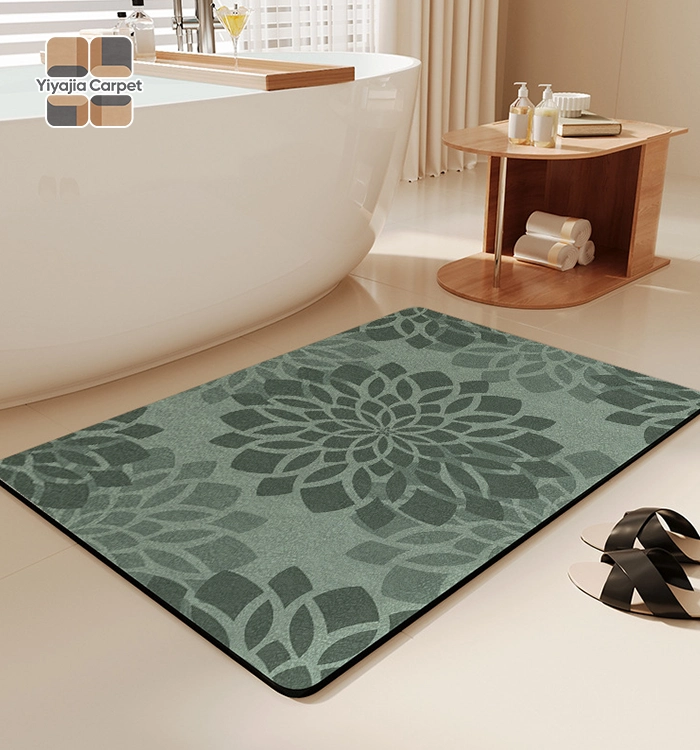
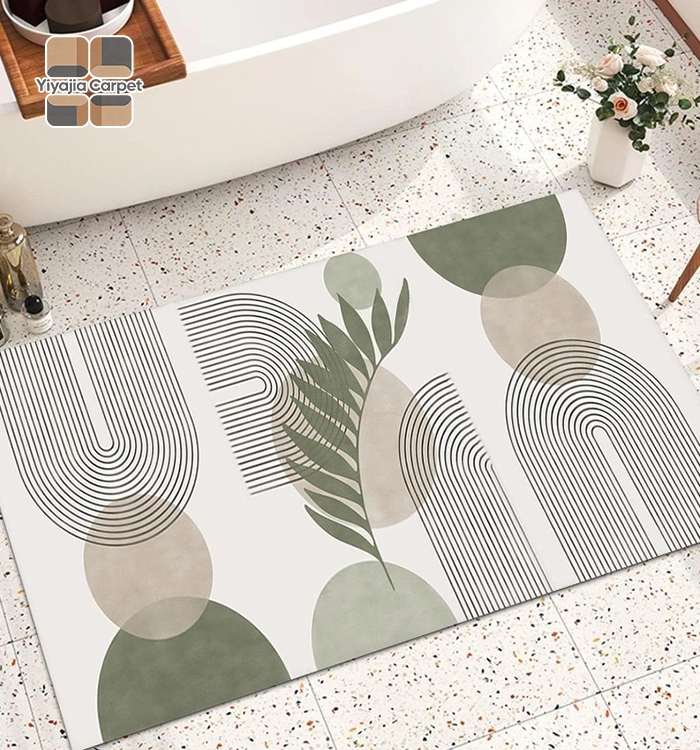
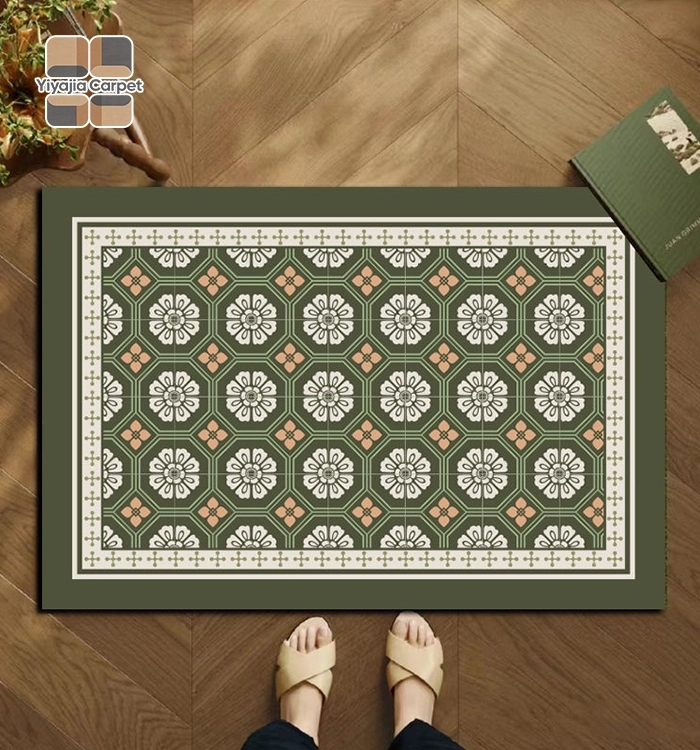
New technology called advanced composite mats with fine faux cashmere surfaces bonded to TPR backings make industrial settings more comfortable without lowering their durability. The top material is better at catching dirt than regular polyethylene, and the TPR backing makes it resistant to chemicals and stable at room temperature. With CE and ROHS certifications proving environmental safety, these products come ready to use right away. They also meet procurement requirements for compliant sourcing. Customization choices go beyond size; they also include matching colors and adding logos, which helps with business branding goals at entry points to buildings.
Conclusion
When choosing long-lasting industrial door mats, you have to weigh the short-term cost against the long-term performance and safety results. Good matting systems keep dirt in, which stops expensive floor damage, lowers the risk of being sued for slip-and-fall accidents, and lowers the cost of ongoing upkeep. When choosing materials, they should be compatible with the problems they will be facing in the environment, such as chemical exposure, moisture levels, and traffic volume.
Building features like bi-level designs and reinforced backing will also help them last for a long time. Facilities are set up for operating success with procurement strategies that stress source dependability, certification compliance, and the ability to customize products. Hallway mat selection fits directly into this strategy, as proper entryway flooring reduces tracked-in debris and moisture. Investing in the right kind of industrial matting pays off in a way that can be measured: the floors last longer, it costs less to clean them, and the workplace is safer, which benefits both workers and the bottom line.
FAQ
How Effective Are Door Mats in High-Traffic Industrial Areas?
When used correctly, industrial mats can catch 80–90% of tracked debris within the recommended 12-15 foot entry zone. This makes the inside of the building much less contaminated. Effectiveness depends on the right size, the right choice of material, and regular maintenance procedures that keep the ability to scrape and avoid saturation.
What Lifespan Should We Expect Under Industrial Conditions?
Good industrial mats should last three to five years in heavy-traffic areas if they are taken care of properly. Traffic number, types of contaminants, cleaning regularity, and the quality of the material are all things that can affect how long something lasts. When used in chemical settings, nitrile rubber backing lasts longer than standard SBR formulas.
Can We Customize Mats With Company Logos for Bulk Orders?
Most companies that sell industrial mats let you change things about them, like adding a name or choosing a different color. Different manufacturers have different minimum order quantities. Some need large amounts, while others, like Yiyajia Carpet, can take orders as low as 50 pieces and can customize the logo within seven days, which makes branding affordable.
Partner With Yiyajia Carpet for Your Industrial Utility Door Mat Supplier Needs
When it comes to matting, industrial sites need options that can stand up to tough conditions and always keep things safe and clean. Yiyajia Carpet makes durable door mats designed for industrial settings with a lot of foot traffic. They use advanced heat transfer printing and precise laser cutting technology to make solutions that are perfectly tailored to your needs. Our fine fake cashmere surface is bonded to a TPR thermoplastic rubber backing, which makes it better at removing dirt and chemicals. It also comes with CE and ROHS standards that show it is safe for the environment. Our daily production capacity is 2000 square meters, and our minimum order quantity (MOQ) is as low as 50 pieces if you need an industrial utility door mat supplier.
This means that we can easily and affordably meet your needs for size, color, and brand. Tough quality control makes sure that all bulk orders work the same way, and our professional export packaging and long-term logistics partnerships make sure that products get to facilities all over the world on time. Get in touch with our sales team at sale@yyj-carpet.com to talk about your unique industrial matting needs and get personalized advice on how to find the best options for safety, durability, and total cost of ownership.
References
1. American Society for Testing and Materials. (2019). ASTM D7570: Standard Test Method for Dimensional Stability of Textile Floor Covering Materials. ASTM International.
2. National Floor Safety Institute. (2021). Slip Resistance Testing and High Traction Surface Certification Standards for Commercial Environments. NFSI Technical Guidelines.
3. Peterson, R.L. & Martinez, J. (2020). Industrial Facility Maintenance: Cost Analysis of Preventive Flooring Protection Systems. Journal of Facility Management Research, 15(3), 234-251.
4. Thompson, K.D. (2022). Material Science in Commercial Matting Applications: Comparative Analysis of Synthetic and Natural Fiber Performance. Industrial Safety Quarterly, 28(2), 67-82.
5. United States Department of Commerce. (2018). DOC-FF-1-70: Flammability Standard for Commercial Floor Covering Materials. Federal Register Documentation.
6. Williams, S.A. & Chen, H. (2023). Total Cost of Ownership Modeling for Industrial Entry Systems: Beyond Initial Purchase Price. Procurement Management Review, 41(4), 112-129.