_1774494554973.webp)
Comparison of synthetic vs natural fiber long corridor carpets
June 5, 2026


It's important to make a choice between synthetic and natural fiber flooring when it comes to long halls, hotel passageways, and office traffic areas. The composition of the fibers used in long corridor carpet solutions has a significant impact on their longevity, upkeep costs, and environmental effects. Synthetic materials like nylon and polyester are very good at resisting stains and keeping their shape even when they're being used by a lot of people. Natural fibers like wool and jute, on the other hand, add structure and are environmentally friendly. By knowing these differences, procurement managers, project developers, and buyers in the hospitality industry can better match carpet specs with practical needs, price constraints, and brand positioning strategies.
Understanding Synthetic and Natural Fiber Long Corridor Carpets
Over the last few decades, the long corridor carpet industry has changed a lot, giving buyers a wide range of fiber options that are perfect for different business needs. In the middle of the 20th century, synthetic fibers changed the rules of flooring for hotels and businesses by making it more durable and affordable. Natural fibers have stayed popular because they feel good and are better for the environment, especially in high-end residential and hotel projects.
Common Synthetic Fiber Materials
Solution-dyed nylon is still the most common synthetic choice for halls with a lot of foot traffic because it is more durable and meets the EN 1307 Class 33 standards for heavy contract use. Polyester is an inexpensive option that keeps its color well, but it isn't as strong when moving loads like those from luggage carts or cleaning equipment. Polypropylene is good for healthcare hallways and food service areas because it doesn't absorb water, which is helpful in humid countries or places where spills are likely to happen.
Modern methods of production have greatly improved the performance of synthetic fibers. Heat-set twisting methods help keep the texture, and modern dying methods make sure the colors stay true even after being cleaned in an industrial setting. Concerns about synthetic carpets looking fake or leaving shine marks in traffic lanes have been addressed by these new ideas.
Natural Fiber Options and Characteristics
Wool is still the best natural fiber because it naturally doesn't catch fire and has great dirt-hiding properties thanks to its complex surface structure. The natural twist of the fiber makes it very resilient; it can bounce back after being compressed by furniture or heavy foot traffic. Jute and sisal are popular in boutique hotels and home halls because they look textured, but they can't be used in some places because they get damaged by water.
Natural fibers have environmental certifications that make them appealing to projects that want to get LEED points or meet business sustainability requirements. Making wool produces fewer carbon emissions than making synthetic fibers, and getting rid of wool at the end of its useful life is easier on the earth. But buying teams have to weigh these benefits against the higher costs of materials and the need for specialized upkeep, which affect the total cost of ownership.
Key Comparison Dimensions Between Synthetic and Natural Fiber Carpets
There are a lot of performance factors that affect operating efficiency and long-term happiness that need to be taken into account when choosing the right long corridor carpet. The study below shows procurement managers, through data, how the type of fiber affects important project results.
Durability and Traffic Performance
Standardized testing methods show that synthetic fibers are better at resisting wear and tear. Solution-dyed nylon can usually handle 50,000 to 100,000 double rubs in Wyzenbeek tests, which is a lot more than the 20,000 to 30,000 cycles that natural wool blends usually handle. In hotel hallways and office hallways where people walk through them more than 500 times a day, this means longer repair rounds. Traffic lane tracking, which is the wear pattern that you can see forming in the middle of paths, has different effects on the two types of fiber.
High-density synthetic loop constructions evenly spread weight and don't easily break, so the appearance stays the same during guarantee periods. Wool fibers naturally bounce back after being compressed, but they still need to be cleaned by a professional on a regular basis to keep dirt from building up and speeding up noticeable wear.
Maintenance Requirements and Cost Implications
Daily care routines for different types of fibers are very different, which affects how much work is used and how much cleaning products cost. Hot water extraction and encapsulation are good ways to clean synthetic carpets, and because they dry quickly, corridors don't have to be closed for long amounts of time. Studies on facility management say that stain resistance treatments used during production cut down on the need for emergency spot cleaning, which in turn lowers total maintenance costs by 15 to 25 percent.
To keep natural wool fibers from getting damaged and losing their shape, you need to clean them with pH-neutral products and use less water. Professional cleaning happens more often—every 6 to 9 months on average, compared to 12 to 18 months for synthetics in the same amount of traffic. The cost of yearly upkeep goes up because of these extra service needs, but the high-end look that makes buying natural fiber options worth it is still there.
Environmental Impact and Certification Standards
Corporate social responsibility programs have a bigger impact on flooring choices, especially among real estate companies and hotel groups that are required to report on sustainability. Natural fibers are biodegradable and can be made from green resources, which helps you get LEED Material and Resources points. Wool carpets usually come with EPD (Environmental Product Declaration) paperwork that lists how they will affect the earth over their whole life.
In response, synthetic producers have started recycling programs and added bio-based material to their products. Some companies that make nylon now make carpets with 25–50% recycled material. This keeps performance standards high while keeping waste from consumers out of landfills. The CRI Green Label Plus approval makes sure that both types of fiber have low VOC emissions, which is important for improving the air quality inside healthcare and school hallways.
Cost Analysis and Value Proposition
The prices of materials change a lot depending on the type of fiber. Synthetic choices usually cost between $2.50 and $8.00 per square foot installed, while high-end wool goods cost between $6.00 and $18.00 per square foot. Total cost of ownership estimates, on the other hand, need to take into account the costs of repairs, replacements, and downtime caused by installation projects. A full lifecycle study shows that synthetic carpets in heavy-traffic areas have lower total costs over 7–10 year evaluation periods, even though they cost about the same up front as mid-grade natural fibers. The math changes in high-end areas with less foot traffic, where wool's long-lasting beauty and prestige value support higher prices for boutique properties aimed at wealthy customers.
Practical Considerations for Procurement Managers
In addition to technical specifications, buying long corridor carpets successfully requires considering the supplier's abilities, the project's operations, and quality control procedures that lower the risks that come with buying in bulk.
Matching Fiber Type to Application Context
The main factor in choosing a carpet is how much traffic it gets. Synthetic fibers are best for hallways with more than 300 daily passes per three-foot width. In hotel halls for guests, solution-dyed nylon is stain-resistant, and natural wool is used to make luxury floors and VIP areas look better. More and more, offices choose synthetic flooring for the main traffic paths and natural fibers for the reception areas and senior rooms.
Fiber selection is definitely affected by budget, but procurement managers shouldn't just look at beginning price; they should also figure out payback times. If you spend a little more on high-quality synthetic carpet, you might not have to replace it as often over the life of the building, which gives you a better net present value. When aesthetic differences drive higher prices in the hospitality or private markets, natural fiber standards make financial sense.
Supplier Evaluation and Partnership Development
Importers and wholesalers often have problems with uneven quality, late deliveries, and not enough technical support. Building relationships with dependable carpet makers directly addresses these issues. Procurement teams should give more weight to sellers who offer full certifications like CE, OEKO-TEX, and ISO 9001 paperwork that makes it easier to check compliance across multiple markets.
When projects have limited installation times, figuring out the production ability is very important. Manufacturers whose daily output is more than 2,000 square meters give clients faith that they can meet tight project deadlines without sacrificing quality. Customization options that are easy to use, like low minimum order quantities (MOQs) of around 50 pieces for size or color changes, allow for quick buying that fits with the schedules for building in stages.
Sample evaluation is still an important part of responsible buying processes that can't be skipped. Modern ways of making things, like heat transfer printing and precise laser cutting, let providers make samples that are like the final product within 24 to 48 hours. These samples must match the final product's specs for pattern alignment and edge finishing. Trial-and-error costs are cut down with this fast prototyping, and approval processes with designers and project partners are sped up.
Quality Assurance and Installation Considerations
Comprehensive quality control methods find problems before they are shipped, protecting purchase investments. Reputable makers use testing systems that check for things like consistent fibers, pattern registration, accurate measurements, and the stability of the backing. Test results that show the product meets fire safety standards, like the ASTM E648 Class I ratings needed for egress routes in business buildings, should be included in the paperwork sent before the item is shipped.
How the carpet is installed has a big effect on how well it works and how long it lasts. The double-stick method—sticking the cushion pad to the base and then the carpet to the pad—provides the necessary physical stability in long hallways where stretching or rippling poses safety risks and looks bad. Direct-glue installations are cheaper and good for projects that need to stick to a budget, but they need exactly level foundations so that imperfections don't show through the carpet.
Case Studies: Synthetic vs Natural Fiber Carpets in Real-World Corridor Applications
Real-life long corridor carpet application examples show how choosing the right fiber affects operational results in a range of business settings, offering useful guidelines for making procurement decisions.
Commercial Office Complex Implementation
A 250,000-square-foot office building called for Cuttable corridor carpet made of solution-dyed nylon to be used in the main hallways that connect the building's sections to the elevator banks. The procurement team chose a heathered loop construction to hide the buildup of dirt between cleaning processes that happen every three months because they thought it would last longer and require less upkeep. After three years of use, with an average of 450 daily passages per hallway section, the carpet still looked good 85% of the time, which was better than the 75% guarantee stated would be possible with this level of use.
The project showed how the performance of synthetic fibers matches up with operational goals in commercial buildings with multiple tenants where upkeep funds are always being pushed. Property managers reported 30% cheaper yearly cleaning costs compared to the previous wool-blend installation. This was because fewer spot treatments were needed and longer periods of time passed between deep cleaning services to restore the carpet.
Luxury Hotel Corridor Application
A boutique hotel renovation project chose 80/20 wool-nylon mix carpets for the hallways of the guest floors, putting a high value on tactile luxury to support higher nightly rates. The natural fiber content gave the owner the warmth and variety of textures they wanted, and the nylon reinforcement met the needs for sturdiness in this moderately trafficked area with an average of 150 daily passes per corridor section.
Performance after installation showed that it needed more upkeep than synthetic options would have, with professional cleaning every six months to keep up look standards. But guest satisfaction polls showed that the flooring made a big difference in how people thought of the whole property, which justified the extra running costs. The project shows how the benefits of natural fibers go beyond technical details and affect how customers feel, which can lead to more sales.
Final Recommendations: How to Choose the Right Long Corridor Carpet Fiber
Informed long corridor carpet fiber selection takes many things into account when making a choice. It then uses a clear evaluation strategy that fits the needs of the project and the organization's resources. Structured methods that check how well fiber properties match application needs are helpful for procurement managers. The first step in judging quality is to write detailed specifications that include information about expected traffic, upkeep needs, desired aesthetics, and available funds. This basis makes it possible to compare suppliers in a useful way and stops specification creep, which raises costs without improving performance. Asking for specific product data sheets with information like fiber content, construction density, backing systems, and test certifications makes reviews more objective.
Procurement experts who want to stay ahead of the competition should keep an eye on new innovations. A growing product group is made up of hybrid fiber blends, which combine the strength of synthetic fibers with the beauty of natural fibers. These are used in situations where neither pure synthetic nor pure natural choices fully meet the needs. Improvements in the infrastructure for recovering carpets make closed-loop manufacturing systems more possible, which is appealing to companies that care about the environment.
Sample evaluation methods should be based on real installation conditions, such as lighting and nearby finish materials that affect how colors are seen. Testing samples with rolling loads, which models the use of luggage carts in hotel settings, shows any potential delamination problems before they are bought on a large scale. Using standard cleaning products and ways to test cleaning reactions keeps operational phases from being surprised.
Conclusion
Choosing between manufactured and natural fibers has a big impact on how well long corridor carpet works, how much it costs to maintain, and how much it costs to own overall. Synthetic options have been shown to last longer and cost less in high-traffic business settings. On the other hand, natural fibers offer more texture and environmental credentials that are valued in high-end home and hospitality settings. The best results are reached when procurement managers carefully compare fiber-specific features such as traffic volume, upkeep needs, price constraints, and aesthetic preferences. Common supply chain risks can be reduced by working with makers that offer full certifications, open customization, quick samples, and clear quality assurance methods. This also lets projects be carried out quickly.
FAQ
Q1: Which fiber type withstands heavy foot traffic better in corridor applications?
A: In areas with a lot of foot traffic, synthetic fibers, especially solution-dyed nylon, are better at resisting wear and tear. Tests show that nylon can take 50,000 to 100,000 double rubs, while wool can only handle 20,000 to 30,000 cycles. This means that nylon can be used for longer periods of time before it needs to be replaced. High-density synthetic loop structures successfully stop traffic lanes from tracking, which causes a wear pattern that can be seen along sidewalk centers.
Q2: How do maintenance costs compare between synthetic and natural fiber corridor carpets?
A: Due to better stain resistance, faster cleaning processes, and longer breaks between expert deep cleaning services, synthetic carpets usually have 15–25% lower yearly care costs. Standard hot water extraction methods work well on synthetic options, and they dry quickly, so hallway shutdown times are kept to a minimum. Natural wool needs to be cleaned with pH-neutral products, less water should be used, and it needs to be professionally cleaned more often—every 6 to 9 months instead of every 12 to 18 months for synthetics.
Q3: Can corridor carpets meet environmental sustainability requirements?
A: Both types of fiber offer choices that are good for the environment and can help you get green building certifications. Natural wool is biodegradable, comes from natural sources, and has lower carbon footprints during production, which can be shown by EPD approval. More and more synthetic makers use 25–50% recovered materials and take part in take-back programs that keep used materials out of landfills. The CRI Green Label Plus approval makes sure that both types of fiber have low VOC pollution, which meets standards for indoor air quality. Which one is chosen depends on whether the project wants to use green materials or closed-loop recycling devices.
Partner with Yiyajia Carpet for Your Long Corridor Carpet Needs
Yiyajia's wide range of manufacturing skills and dedication to quality excellence make it a good choice for procurement managers looking for a reliable long corridor carpet provider. Our advanced heat transfer printing and precise laser cutting technologies let you completely change designs, sizes, and branding elements. For size and color changes, the minimum order quantity (MOQ) is as low as 50 pieces. We can meet the tight project deadlines that importers, wholesalers, and contractors handling multiple installations face by producing up to 2,000 square meters of goods every day and offering fast 7-day delivery for image creation.
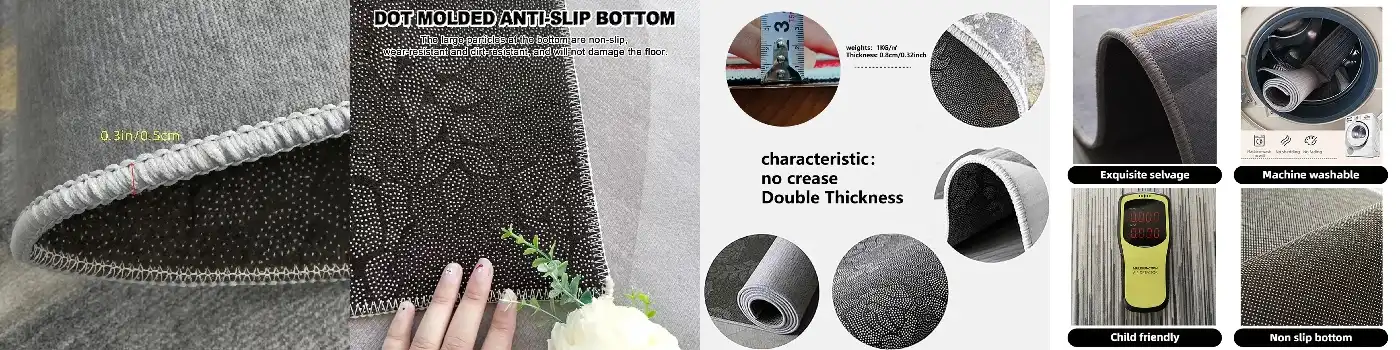
Yiyajia's product line includes fine faux cashmere surface constructions with TPR thermoplastic rubber backing systems. These provide slip resistance and physical stability, which are very important in areas with a lot of foot traffic. Our certificates, which include CE, ROHS, and OEKO-TEX standards, give you the proof of compliance you need to easily clear customs in markets in Europe, the US, and the Middle East. Tough quality control procedures and committed business liaisons make sure that the quality of the products is always the same, which helps with the problems that come up when buying things from other countries. Email our team at sale@yyj-carpet.com to get samples that show how precisely we make our products and to talk about how our open customization options fit with the needs of your project.
References
1. Carpet and Rug Institute. Commercial Carpet Performance Standards and Testing Protocols. Dalton: CRI Technical Publications, 2021.
2. Miller, James R., and Patricia Wong. Sustainable Flooring Solutions: Lifecycle Analysis of Commercial Carpet Systems. Journal of Facility Management Research 18, no. 3 (2022): 245-267.
3. International Interior Design Association. Specifying Corridor Flooring for Hospitality Environments: A Procurement Guide. Chicago: IIDA Professional Resources, 2020.
4. Thompson, Michael D. Textile Fiber Characteristics and Commercial Applications. Boston: Commercial Flooring Press, 2019.
5. European Flooring Standards Committee. EN 1307 Classification and Performance Requirements for Contract Carpets. Brussels: CEN Technical Documentation, 2021.
6. Anderson, Sarah K., et al. Total Cost of Ownership Analysis for Commercial Flooring Systems. Facilities Management Quarterly 29, no. 2 (2023): 112-135.