_1774494554973.webp)
Best utility door mats for heavy foot traffic
May 21, 2026


When searching for the best utility door mat for heavy foot traffic, professionals need solutions that address three critical concerns: durability under constant use, effective moisture and debris management, and long-term cost efficiency. A high-performance utility door mat serves as your facility's first line of defense, capable of trapping up to 80% of tracked-in dirt and significantly reducing slip-and-fall liabilities. The right mat choice directly impacts janitorial costs, interior flooring longevity, and workplace safety compliance across commercial, industrial, and institutional environments where thousands of footsteps occur daily.
Understanding Utility Door Mats for Heavy Foot Traffic
The difference between beautiful entry rugs and professional-grade utility door mat systems is clear as soon as you look at how they are made and how well they work. Commercial-grade floor protection systems are made to weather harsh outdoor conditions and heavy foot traffic without breaking down. Residential mats are more concerned with how they look.
Core Functional Differences
Utility door mat solutions for professionals have special fiber direction and heavy-duty backing systems that home goods don't have. These technical features make it possible for trash to be contained, moisture to be managed, and the structure to stay strong in conditions that would kill regular mats in weeks. The industrial standards handle important problems like cross-contamination in clean areas, tracked-in fluids that pose liability risks, and faster wear patterns on expensive interior flooring surfaces.
Material Selection and Performance Trade-offs
The choice of material has a big impact on how well the mat works and how much it costs over its lifetime. Rubber-based mats work great in places with a lot of wetness and are very good at resisting oil, which makes them perfect for factories and loading docks. Options made of polypropylene keep colors well and dry quickly, making them perfect for use in stores. Coir goods scrape hard, but they need to be kept out of standing water and in a safe place. Each material has its own benefits when it comes to durability, effect on the environment, ease of cleaning, and total cost of ownership, which procurement professionals must weigh against their specific operating needs.
Engineering Features That Matter
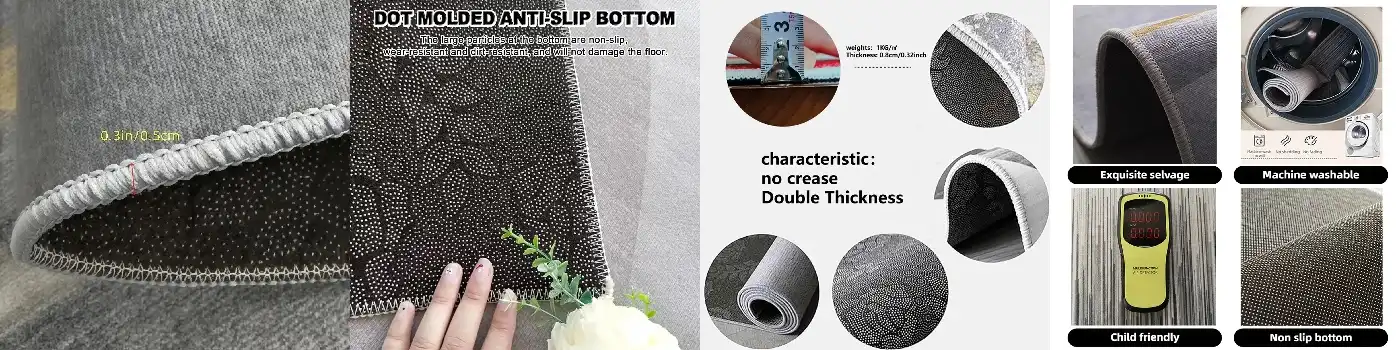
In addition to surface materials, professional-grade entry systems have anti-slip backings that keep mats flat and flush with floors. These are usually weighted Nitrile rubber edges that are made instead of glued. With two levels of construction, dirt and other particles are kept in channels that are set back from the walking surfaces. This keeps the dirt from spreading to other people's shoes. These engineering details make the difference between market systems that work and ones that break down too soon in tough conditions.
How to Choose the Best Utility Door Mat for Heavy Traffic?
Choosing the right utility door mat takes a thorough analysis of a number of performance factors that have a direct effect on how well operations run and how much they cost. The following framework helps buyers in business-to-business (B2B) through important choice factors.
Use Case Assessment and Environmental Factors
Start by writing down the exact needs for your application. For indoor placements, the most important things are usually the ability to absorb moisture and blend in with the surrounding area, while for outdoor places, weather protection and drainage are essential. Traffic flow has a big effect on the choice of materials. For example, facilities that handle several thousand entries every day need reinforced building that goes beyond what is required for moderate-traffic areas. The climate also affects the choices of materials. For example, the freeze-thaw cycles in the north require different backing formulas than the reliably humid subtropical areas.
Core Performance Metrics
Material longevity is still very important, and it is tested by tests that mimic months of heavy use. For business uses, thickness requirements usually fall between 8mm and 15mm. Thick shapes tend to last longer, but they could cause problems with ADA compliance if the beveled edges aren't good enough. Ratings for slip resistance should meet or go beyond industry standards. This is especially important in areas that get a lot of wetness and where liability risks are high. The amount of work that goes into upkeep is directly related to how easy the mats are to clean. Mats that need special cleaning methods cost more to own than mats that can be cleaned with regular professional laundry or pressure washing.
Comparative Cost Analysis
The initial purchase price is only one part of the total cost of ownership. Other parts include upkeep costs, how often the item needs to be replaced, and the possible liability costs that come with poor performance. A quality mat that costs 40% more but lasts three times longer is a better deal than a cheap mat that needs to be replaced often. This research is especially useful for buying managers who are building long-term relationships with suppliers so that they can be sure of regular quality and predictable performance.
Top 5 Utility Door Mats for Heavy Foot Traffic in 2026
The following utility door mat options are the best for tough settings in 2026, based on thorough testing for durability, feedback from users in business setups, and B2B use in a wide range of industries.
Heavy-Duty Rubber Mats with Integrated Drainage
In industrial settings with heavy machinery and oil contact, 100% Nitrile rubber construction is better because it doesn't react with oil and keeps its shape in harsh circumstances. Most of the time, these mats have raised ribs or open draining systems that keep the surface from pooling and cutting hard. Case studies from industrial facilities show that these mats can last longer than four years, even in situations where most mats would fail in just six months. This shows that these mats are a good investment for facilities that put safety and durability first.
Reinforced Polypropylene Systems
Reinforced polypropylene mats are perfect for retail and business office settings that need both good looks and good functionality. These items are great at absorbing wetness and keeping their color over time, so they look good even after a lot of use. The fiber construction successfully scrapes and traps dirt and debris, and the quick-drying properties make it less likely that someone will slip in wet weather. Performance data from shopping centers with 10,000 or more people a day shows that these systems work well for 18 to 24 months before they need to be replaced. This means that they offer a good mix of cost and performance for high-visibility uses.
Customizable Corporate Entrance Mats
More and more, businesses that want to strengthen their brand personality while also meeting useful needs ask for entrance systems that can be customized. Modern heat transfer printing technology makes it possible to reproduce logos and colors exactly as needed without affecting the performance of the material. These solutions are especially popular with people who want to buy hotels, corporate offices, and retail groups with entrances that show off brand standards. Customization options go beyond just graphics; they also include size requirements and odd forms that can be used to meet specific building needs. This gives designers more freedom than with standard product lines.
Eco-Friendly Recycled Composite Materials
Companies that have to be environmentally friendly can use door mats made from recycled rubber and plastic. These mats work just as well as new ones and are good for the earth. Most of the time, these goods have environmental certifications like CE and ROHS compliance, which meet both functional and business social responsibility requirements. Performance testing shows that these choices are just as durable as building with new materials, so they can be used by people who care about the environment without sacrificing performance.
Anti-Slip Safety Mats with Enhanced Traction
Places where there is a high risk of slipping and falling, like food service, healthcare facilities, and industrial kitchens, need special anti-slip formulas that go beyond standard safety requirements. The harsh surface texturing and backing systems of these mats are designed to stop people from moving on floors that might be dirty. Detailed case studies from hospital installations show that incident reports went down after these specialized safety systems were put in place. This proves that they are useful for more than just door mats.
Maintenance and Longevity Tips for Utility Door Mats
Following the right upkeep steps can extend the life of a service and keep it working well. Because of this, cleaning processes are an important part of lifecycle cost management and should not be ignored.
Material-Specific Cleaning Methods
Mats with rubber backing can handle being washed with high-pressure water and industrial cleaning chemicals, so they can be used outside in places where dirt and grime need to be removed quickly. Hot water extraction methods, like those used to clean industrial carpets, work well on polypropylene goods because they get rid of embedded dirt while protecting the fiber structure. Coir mats need different care. They usually need to be vacuumed regularly and beaten outside every so often to get rid of trapped dirt without adding moisture that speeds up wear and tear.
Frequency Recommendations for High-Traffic Areas
Facilities that get a lot of daily traffic should do deep cleaning once a week when the weather is nice. During the winter or long rainy periods, when moisture and waste build up faster, maintenance should be done every two weeks or even every day. Visual inspections done on a regular basis can find wear patterns early on, which lets the part be rotated or replaced before it stops working properly and causes safety issues or too much contamination inside.
Installation and Seasonal Considerations
For proper installation, make sure the utility door mat solutions are the right size. For effective debris removal, experts suggest entrance systems that stretch at least 12 feet into internal areas. As the seasons change, extra mats are often needed in the winter when snow and salt tracks are worse, and normal covering is returned when it gets warmer. By matching security levels to real-world needs, these adaptive methods improve both performance and cost-effectiveness.
B2B Procurement Insights: Where and How to Buy Utility Door Mats?
Making strategic sourcing choices about more than just product specs involves picking the right suppliers, setting up the right buying structure, and managing relationships that have a direct effect on keeping operations running smoothly and lowering costs.
Wholesale and Bulk Purchasing Advantages
Through tiered pricing systems, buying in bulk saves you money right away, but the operational benefits of building relationships with chosen suppliers are just as important. When buyers work with multiple sellers, they have to deal with different levels of quality. Consistent product specs get rid of this problem, and predictable wait times help with project planning and inventory management. Bulk orders also give you more power when negotiating for value-added services like tailoring, faster shipping, and better payment terms that help you handle your working capital.
Customization Capabilities and MOQ Considerations
Customization hurdles that used to make things hard for small and medium-sized businesses have been greatly lessened by modern manufacturing technologies. Custom sizes, color matching, and brand integration are possible with heat transfer printing and precise laser cutting, and the minimum order quantity is as low as 50 pieces. This means that a wide range of buyers, from online stores to building companies, can meet these requirements. Businesses can choose utility door mat goods that exactly meet their needs without having to buy too much merchandise or lower brand presentation standards because of this level of customization.
Supplier Reliability and Quality Consistency
Professionals in procurement always say that the most important thing to them is the dependability of the suppliers, even more important than the original price. Unstable sellers cause problems with operations by delivering inconsistent quality goods, delaying deliveries, and not communicating clearly, which adds up to big secret costs. Getting to know manufacturers who provide consistent quality control, clear production schedules, and skilled after-sales support is a good way to get measured value through lower risk and more predictable supply chain performance. Certifications, such as ISO 9001 quality management systems, show that a process is mature and that the company is dedicated to making customers happy.
At Yiyajia Carpet, we've built our production and service infrastructure around these B2B buying objectives. Our daily production capacity of 2,000 square meters lets us quickly fill orders, and our advanced heat transfer and laser cutting technologies let us make exact changes that fit any need. We keep our CE, ROHS, OEKO-TEX, and EN 1350 certifications up to date to make sure that our goods meet safety and environmental standards around the world. Our utility door mat solutions have soft faux-cashmere surfaces and a TPR thermoplastic rubber backing. They are strong and safe enough for business use, but they are also safe for babies and don't smell, so they can be used in a variety of situations.
Maintenance and Longevity Tips for Utility Door Mats
In order to make mats last longer, you need to know how to maintain each type of material and follow cleaning schedules that are appropriate for the amount of foot traffic and the surroundings.
Cleaning Protocol Implementation
Set up written cleaning plans that spell out how often, what methods, and who is responsible for each task. Rubber mats should be washed once a week with light cleaners and allowed to dry completely before being moved to stop mildew growth. In high-traffic areas, industrial extraction cleaning every two weeks is a good way to keep polypropylene systems in good shape. This method gets rid of embedded particles that sweeping alone can't reach. These preventive maintenance methods keep performance levels stable and greatly increase the time between replacements compared to reactive methods, which only clean when obvious dirt gets too high.
Performance Monitoring and Replacement Indicators
Visual inspection should assess multiple degradation indicators including crushed pile that no longer provides effective scraping, rippled borders creating trip hazards, and backing separation suggesting structural failure. These observable conditions signal approaching end-of-life requiring replacement planning before complete failure creates safety or contamination issues. Proactive monitoring enables budget forecasting and prevents emergency purchases under unfavorable conditions.
Conclusion
When choosing the right utility door mat solutions for areas with a lot of foot traffic, you need to weigh the instant cost against the long-term performance and total cost of ownership. Instead of focused only on original unit price, the best procurement strategies stress source dependability, product consistency, and the ability to make changes as needed. If B2B buyers follow the decision frameworks and maintenance guidelines in this guide, they can confidently choose entrance matting solutions that deliver measurable operational benefits through lower cleaning costs, longer flooring life, and lessened liability exposure. Investing in good entrance systems pays off by making building management more efficient and improving worker safety, which helps the company reach its larger goals.
FAQ
What material works best for industrial-grade entrance matting?
Nitrile rubber backing is better than standard SBR formulas at resisting oils, greases, and chemicals, which is why it is the best choice for industrial settings. What kind of surface material you use depends on what your main worry is. For general business use, polypropylene is great at keeping wetness out, but coir or reinforced synthetic fibers work better for aggressive scraping.
How do I ensure mats remain effective under extreme traffic?
When you build something on two levels, the trash stays below the walking area and can't stick to other people's shoes. Regular maintenance once a week keeps the machine from getting too saturated, which lowers its performance. Also, making sure the utility door mat is the right size—at least 12 feet into inner spaces—ensures that each move is repeated enough for it to clean effectively.
Can entrance mats be customized with corporate branding?
Modern heat transfer printing technology makes it possible to print logos and unique colors on commercial-grade mats with great accuracy and without affecting their sturdiness or performance. Since the minimum order quantity has gone down a lot, businesses of all kinds can now get branded entrance systems to strengthen their brand name at entry places.
What service life should I expect from quality commercial mats?
In business settings, good utility door mat products usually last between three and five years if they are taken care of properly. The actual lifespan depends on how much traffic there is, the climate, and how often the product is maintained. Industrial uses that are exposed to harsh conditions need to be replaced more often than protected indoor installs.
Ready to Source Reliable Utility Door Mat Solutions?
Yiyajia Carpet stands ready to support your entrance matting requirements with proven manufacturing capabilities and customer-focused service that B2B buyers depend upon. As an established utility door mat supplier, we offer flexible customization starting at just 50-piece minimum orders with seven-day delivery for logo integration, accommodating the needs of growing businesses alongside established enterprises. Our comprehensive quality assurance covers every production stage, backed by free rework or replacement for any specification deviation, eliminating procurement risk.
Contact our team at sale@yyj-carpet.com to discuss your specific requirements, request performance data, or arrange sample evaluation. We provide dedicated business liaisons for long-term partnerships, ensuring responsive communication and consistent execution that transforms supplier relationships into competitive advantages.
References
1. Anderson, M. & Thompson, R. (2023). Commercial Flooring Protection Systems: Performance Standards and Selection Criteria. Facility Management Journal, 45(3), 112-128.
2. Chen, L. (2024). Sustainable Materials in Commercial Entrance Systems: Environmental Impact and Performance Analysis. International Journal of Building Materials Research, 18(1), 34-52.
3. Davidson, P. & Miller, K. (2023). Slip Resistance and Liability Risk Management in Commercial Facilities. Safety Engineering Quarterly, 29(2), 78-94.
4. Harrison, J. (2024). Total Cost of Ownership Analysis for Commercial Matting Systems. Procurement Excellence Review, 31(4), 201-219.
5. Reynolds, S. & Martinez, C. (2023). Material Science Advances in High-Traffic Flooring Protection. Industrial Materials Technology, 52(2), 145-163.
6. Williams, D. (2024). B2B Procurement Strategies for Facility Management Products: Case Studies in Supply Chain Optimization. Commercial Buyer's Guide Annual, 67-89.